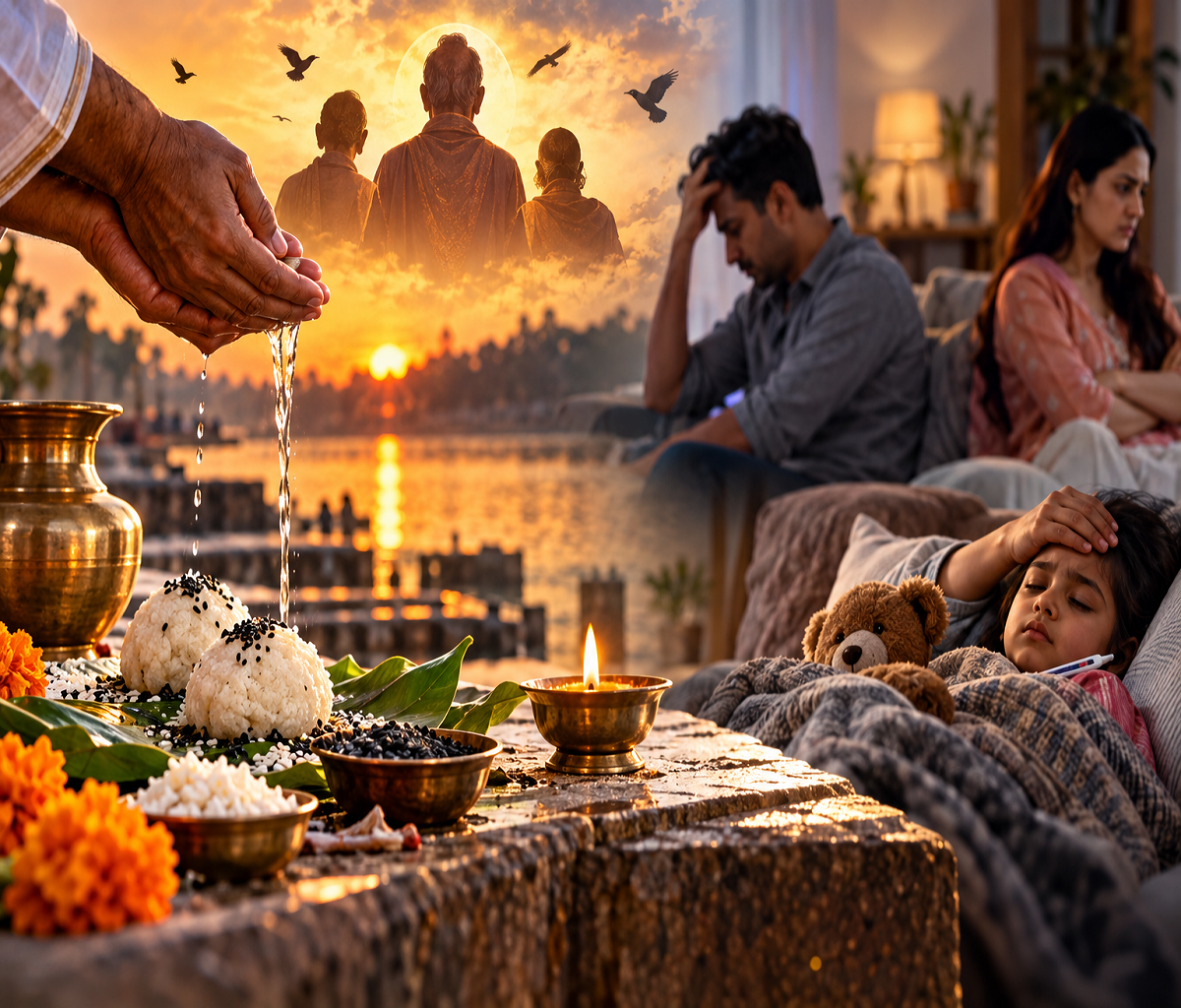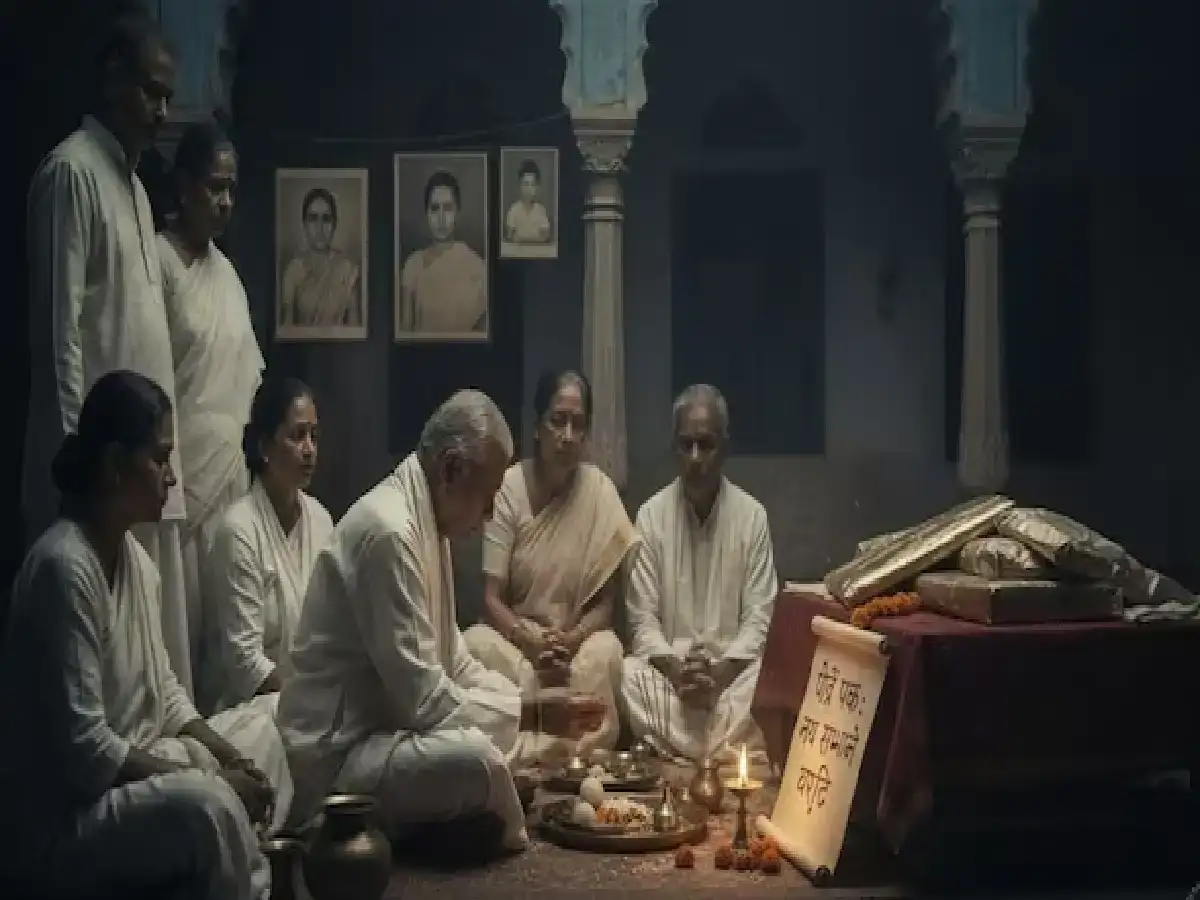
Pitru Paksha 2026 is an important period in the Hindu calendar when families remember their ancestors and perform rituals in their honour. Shraddha, Tarpan, offering food and giving to people in need are among the practices traditionally associated with these days.
Charity, or daan, also holds a special place during Pitru Paksha. According to Hindu traditions and customary beliefs, people may donate food, clothes and other useful items to Brahmins, economically disadvantaged people and others in need. Such acts are generally performed with respect and gratitude while remembering departed family members.
However, traditional beliefs also suggest that the intention behind charity is not the only consideration. The condition and type of item being offered are considered important as well. Certain things are traditionally avoided as donations during Pitru Paksha because they are viewed as unsuitable or inauspicious for the occasion.
Here are five items that, according to customary religious beliefs, people are often advised not to donate during Pitru Paksha.
1. Stale or Spoiled Food Should Not Be Given Away
Food donation is considered one of the meaningful forms of charity during Pitru Paksha, but the quality of the food matters.
Traditionally, people are advised not to offer stale, spoiled or contaminated food to anyone, whether it is being given to a Brahmin or a person in need. Food prepared for donation should preferably be fresh, clean and suitable for consumption.
This practice also carries a practical message beyond religious observance. Donating food that is no longer safe or fit to eat can put another person's health at risk. Anyone distributing meals should therefore pay particular attention to hygiene, storage and freshness.
Fresh and simple food is generally preferred for charitable offerings associated with Shraddha rituals.
2. Iron Utensils Are Traditionally Avoided
Another item mentioned in traditional advice around Pitru Paksha is iron cookware or other objects made primarily from iron.
Some astrological and religious traditions associate iron with Shani, or Saturn. Because of this association, certain customs advise people against giving iron objects as charity during rituals dedicated to ancestors.
It is important to understand that this is a matter of religious and astrological belief rather than a scientifically established consequence. Customs can also differ considerably between communities, regions and families.
Those planning a ritual donation can therefore follow the traditions observed in their household or seek guidance from a knowledgeable priest if they are uncertain.
3. Slippers and Footwear May Be Avoided in Some Traditions
Footwear is another category that some traditional beliefs advise against donating during Pitru Paksha.
Certain astrological interpretations associate slippers or footwear with Rahu and suggest avoiding such donations during this period. Some beliefs further connect inappropriate donations with disturbances in the household or difficulties associated with ancestral rituals.
These claims belong to the realm of faith and traditional astrology and should not be treated as proven predictions about what will happen after making a donation.
Practices surrounding footwear donations may also vary. Families following a particular religious tradition may therefore prefer to observe the customs passed down through generations.
4. Torn, Dirty or Unusable Clothes Should Not Be Donated
Clothing is commonly donated to people in need, but Pitru Paksha traditions place emphasis on giving something that can genuinely be used by the recipient.
Instead of giving torn, badly damaged, dirty or unusable garments, devotees are generally encouraged to offer new, clean or properly maintained clothes.
The principle behind this custom is straightforward: charity should be performed respectfully. Passing on something simply because it has become useless to the donor does not carry the same spirit as giving an item that can meaningfully benefit another person.
Even outside the religious context, checking clothes before donating them is a considerate practice. Garments should ideally be clean, wearable and appropriate for reuse.
5. Brooms Are Considered Unsuitable Donations
A broom is also included among items that some Hindu traditions advise people not to donate during Pitru Paksha.
In popular religious belief, the broom has symbolic associations with Goddess Lakshmi, who represents prosperity and abundance. As a result, some traditions consider giving away a broom during this period inauspicious and associate the practice with the possibility of financial difficulties.
Again, such an association is based on cultural and religious belief and should not be interpreted as a guaranteed financial consequence.
What Should You Keep in Mind While Donating During Pitru Paksha?
The broader idea behind daan during Pitru Paksha is to give respectfully and according to one's financial capacity. Rather than focusing only on the monetary value of a donation, traditional practice emphasizes sincerity, cleanliness and usefulness.
Fresh food, good-quality clothes and genuinely useful everyday essentials can be considered depending on the customs followed by the family.
There is no need to make expensive donations simply for the sake of performing a ritual. Helping someone with something they actually need can make the act more meaningful.
Religious practices surrounding Pitru Paksha, Shraddha and Tarpan can differ by region, community and family tradition. Anyone who wants to follow specific scriptural or ritual requirements may consult a trusted priest or religious scholar familiar with their family's customs.
Ultimately, Pitru Paksha is primarily a period of remembrance and respect for ancestors. Charity performed thoughtfully and with dignity reflects the spirit traditionally associated with the observance.