Business
Petrol and Diesel Prices Today: Check Latest Fuel Rates in Jaipur, Patna, Lucknow, Bhopal and Other Cities
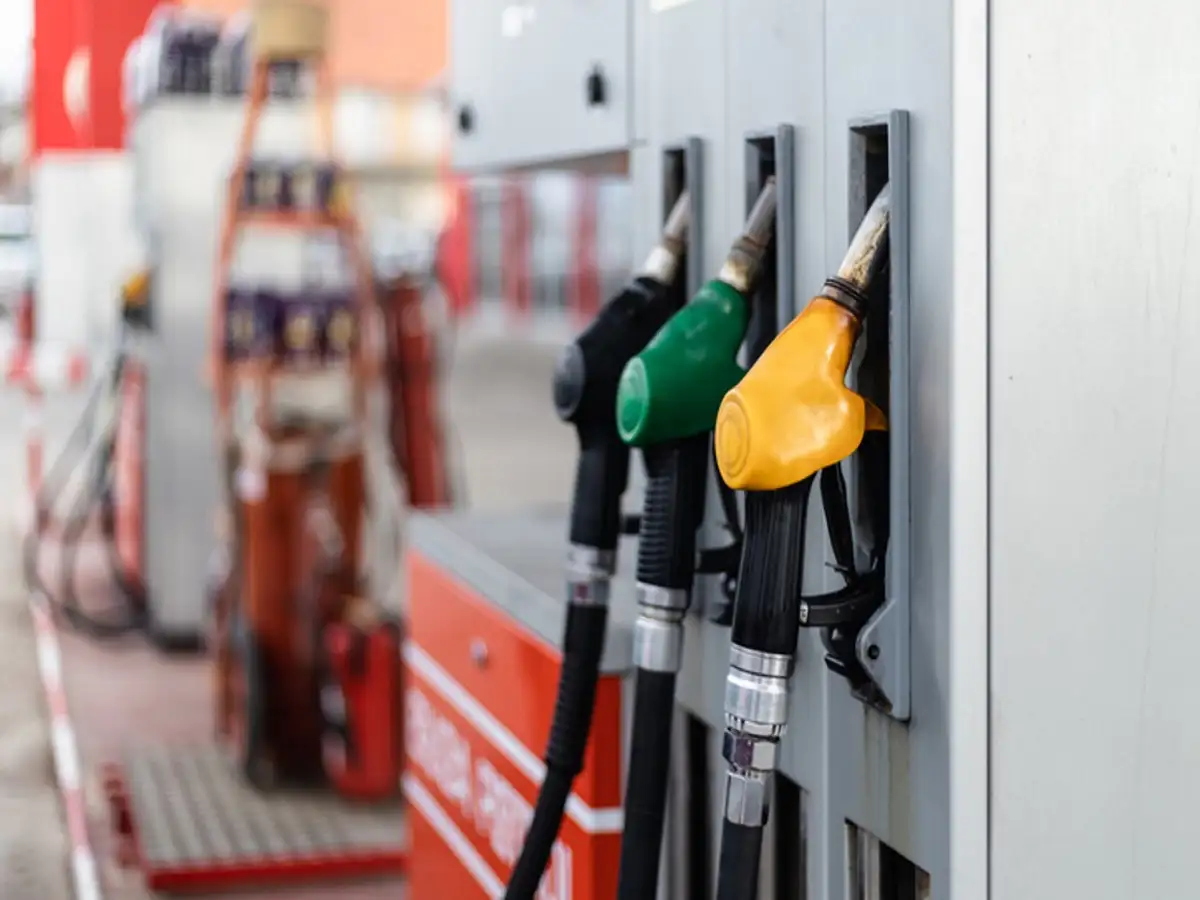
Petrol Diesel Price Today, August 27, 2026: International crude oil prices have continued to soften as hopes grow that tensions in the Middle East could ease and shipping through the Strait of Hormuz may gradually improve. However, Indian motorists have not received any immediate relief at fuel pumps, with retail petrol and diesel prices remaining broadly unchanged in several major cities.
Brent crude was trading near $87.24 per barrel, while West Texas Intermediate (WTI) was around $81.67 per barrel on Thursday morning. Oil prices have declined for several consecutive sessions amid expectations that diplomatic efforts could reduce supply risks linked to the Middle East conflict.
Despite the fall in crude prices, the impact on petrol and diesel rates in India is not always immediate. Domestic fuel prices are influenced by several factors, including international oil prices, the rupee-dollar exchange rate, refining costs, transportation expenses, dealer commissions and central and state taxes.
Petrol and Diesel Prices Remain High in Several Cities
Fuel prices continue to vary considerably across India because taxes and transportation costs differ from one state and city to another.
Government data from the Petroleum Planning and Analysis Cell recently showed petrol in Delhi at ₹102.12 per litre and diesel at ₹95.20 per litre. These rates had remained unchanged through much of August.
Here are some of the reported fuel rates in major cities:
| City | Petrol Price | Diesel Price |
|---|---|---|
| Jaipur | ₹112.66 per litre | ₹97.78 per litre |
| Patna | ₹113.35 per litre* | ₹99.36 per litre* |
| Lucknow | Around ₹102.05 per litre | Around ₹99.28 per litre |
| Bhopal | Around ₹114.65 per litre | Around ₹99.74 per litre |
| Delhi | ₹102.12 per litre | ₹95.20 per litre |
| Port Blair | ₹88.66 per litre | ₹84.56 per litre |
*Recent market data showed Patna at ₹113.35 for petrol and ₹99.36 for diesel, differing from some circulating reports quoting ₹112.70 and ₹99.87 respectively. Consumers should therefore check the live rate at their nearest pump before refuelling.
Port Blair Continues to Have Some of India's Cheapest Fuel
Port Blair remains among the cheapest locations in the country for petrol and diesel.
Recent price data showed petrol at approximately ₹88.66 per litre and diesel at ₹84.56 per litre in Port Blair.
The lower prices are largely linked to the different tax structure applicable in the Union Territory. State-level taxes are one of the biggest reasons motorists pay very different fuel prices across India.
For example, a driver in Jaipur or Bhopal can end up paying more than ₹20 extra per litre of petrol compared with a motorist in Port Blair.
Why Haven't Petrol and Diesel Prices Fallen With Crude Oil?
A fall in international crude prices does not automatically translate into an immediate reduction at Indian petrol pumps.
Crude oil is only one component of the final retail price. Oil marketing companies must also take into account the cost of refining crude into petrol and diesel, freight charges, marketing margins, currency movements and taxes.
India imports most of its crude oil requirements, meaning that the rupee's value against the US dollar is also important. If the rupee weakens, importing oil becomes more expensive and can partly offset the benefit of lower global crude prices.
Another factor is timing. Oil companies may buy crude under contracts at prices decided earlier. Therefore, today's fall in international prices may not immediately affect the cost of crude currently being processed by domestic refineries.
What Is the Pass-Through Effect?
The relationship between crude oil prices and retail fuel rates is often described through the pass-through effect.
It refers to how much of a change in the underlying cost of crude eventually reaches consumers through higher or lower petrol and diesel prices.
In a fully market-linked system, a sustained fall in crude prices can gradually reduce retail rates. But the adjustment may happen with a delay because fuel must first move through the purchasing, refining and distribution chain.
Taxes can also weaken this relationship.
Even when the underlying cost of petrol declines, the final reduction for consumers may be relatively small if taxes and other fixed charges make up a large proportion of the pump price.
Taxes Explain Much of the Difference Between Cities
The price printed at a petrol pump includes several components beyond the basic fuel cost.
Central excise duties and state taxes are significant contributors to retail rates. Since state-level VAT and related levies are different across India, prices can vary sharply between neighbouring states.
Transportation costs matter as well. Locations farther away from refineries or fuel terminals may face additional freight charges.
This explains why petrol can cost close to ₹89 in one part of the country and well above ₹110 in another on the same day.
What About Different Petrol Blends?
Motorists may increasingly notice different petrol grades and ethanol blends at fuel stations.
India has expanded the use of E20 petrol, which contains up to 20% ethanol blended with petrol. However, claims circulating online about extremely large differences between E0, E5 and E20 prices should be treated cautiously unless they are confirmed by the relevant oil marketing company.
Standard retail petrol in Delhi has recently been officially reported at ₹102.12 per litre by the Petroleum Planning and Analysis Cell.
Consumers should therefore rely on rates displayed by authorised fuel stations or official apps of IndianOil, BPCL and HPCL rather than unverified price lists shared online.
Global Crude Prices Remain Under Pressure
The recent decline in oil prices has been linked to optimism surrounding diplomatic discussions over the Strait of Hormuz.
Reuters reported that Brent crude extended losses to around $87.24 a barrel, while WTI slipped to roughly $81.67. Expectations that Iran and Oman could move toward a framework for easing shipping restrictions have reduced some of the geopolitical premium built into oil prices.
However, the situation remains uncertain. Any fresh escalation in the Middle East or further disruption to shipping could quickly reverse the decline.
Will Petrol and Diesel Become Cheaper Soon?
For Indian consumers, the key issue is whether lower crude prices remain in place for a sustained period.
If global oil continues to decline, the rupee remains relatively stable and supply conditions improve, oil marketing companies could have greater room to revise retail rates. But there is no guarantee that a short-term decline in crude will lead to an immediate cut.
Motorists should therefore check daily fuel prices before filling their tanks, particularly when travelling between states where price differences can be substantial.
For now, petrol remains above ₹100 per litre in many major cities, while Port Blair continues to stand out as one of the least expensive fuel markets in the country.
Disclaimer: Petrol and diesel prices can differ within the same state due to local taxes, freight costs and dealer-level factors. Consumers should verify the latest price through an authorised oil company outlet or official fuel-price service before purchasing.