LIFESTYLE
Panic Attack Symptoms: Why Sudden Fear Happens, How Dangerous It Is and What You Should Do
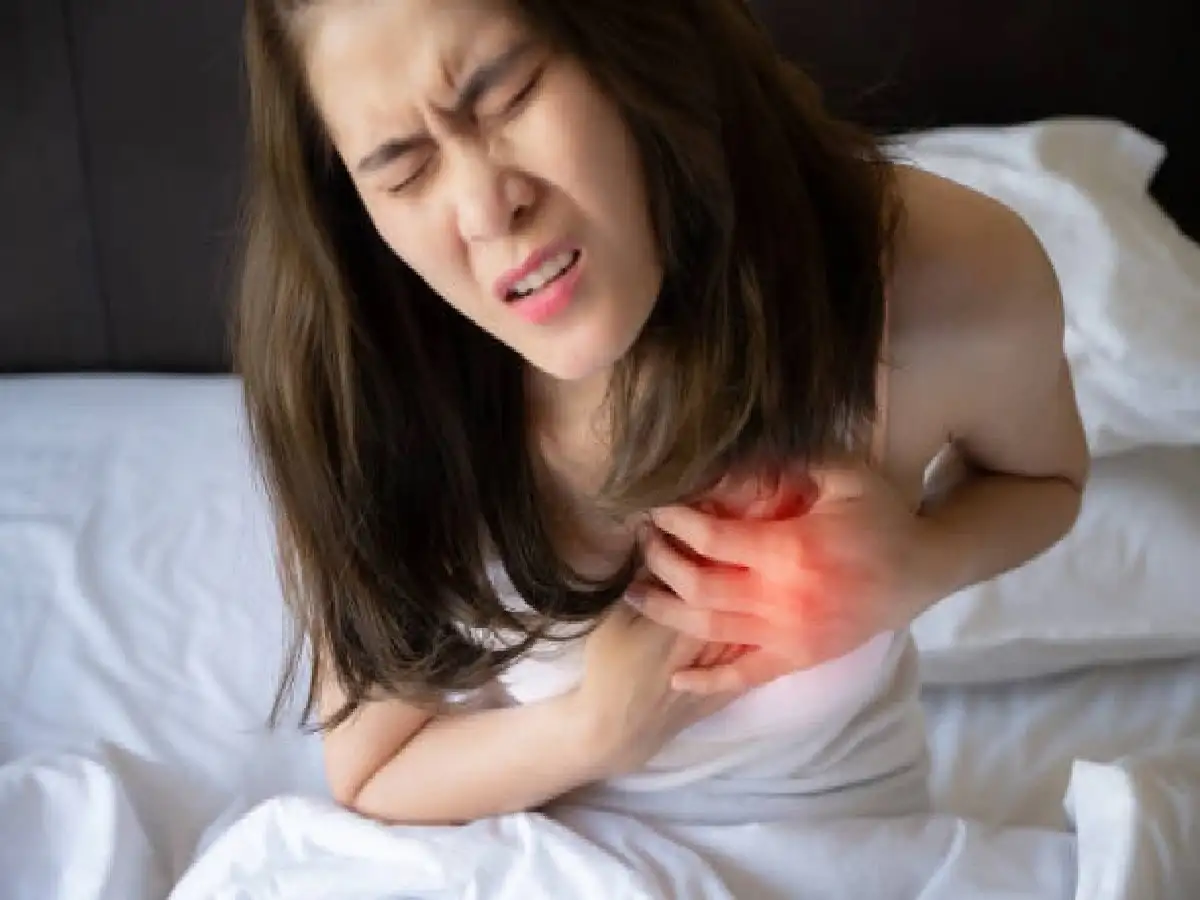
Panic Attack Symptoms and Treatment: A sudden racing heartbeat, difficulty breathing, dizziness, and an overwhelming feeling of fear can be frightening, especially when these symptoms appear without any obvious warning. Such experiences may be associated with a panic attack, a condition that can produce intense physical and emotional reactions within minutes.
With increasing work pressure, demanding schedules, and everyday responsibilities, many people experience stress and anxiety. However, a panic attack is different from ordinary nervousness because it involves a sudden surge of intense fear or discomfort, often accompanied by noticeable physical symptoms.
During an episode, a person may feel as though something terrible is about to happen, even when there is no immediate danger.
Although panic attacks themselves are generally not life-threatening, their symptoms can resemble those of serious medical conditions, including heart attacks. Understanding the warning signs, possible triggers, and available treatments is therefore important.
What Exactly Is a Panic Attack?
A panic attack is a sudden episode of intense fear or discomfort that reaches its peak within minutes.
During an attack, the body's natural fight-or-flight response becomes activated. This response normally prepares a person to react to danger.
However, during a panic attack, the same physical reactions may occur even when there is no clear external threat.
The heart may begin beating rapidly, breathing may become faster, and the person may experience trembling, sweating, or dizziness.
Panic attacks can occur unexpectedly or in response to particular situations.
Some people experience only one or two episodes, while others may have repeated attacks that require medical evaluation.
Importantly, experiencing a panic attack does not automatically mean someone has panic disorder. Panic disorder involves recurrent unexpected attacks along with persistent worry or behavioural changes related to future episodes.
What Causes Panic Attacks?
There is no single explanation for why panic attacks develop.
Medical researchers believe that several biological, psychological, and environmental factors may contribute to their occurrence.
1. Prolonged Stress and Anxiety
Continuous emotional pressure, workplace challenges, financial concerns, or personal difficulties may increase vulnerability to anxiety-related symptoms.
However, panic attacks can also occur in people who do not identify any obvious stressor.
2. Changes in Brain Signalling
Brain systems involved in fear and emotional regulation may play a role in panic symptoms.
Researchers have investigated neurotransmitters such as serotonin, norepinephrine, and gamma-aminobutyric acid (GABA).
However, panic attacks cannot simply be attributed to a confirmed imbalance of these chemicals in every affected person.
3. Previous Traumatic Experiences
People who have experienced significant emotional trauma or stressful events may be more vulnerable to certain anxiety conditions.
Childhood adversity and traumatic experiences can influence how individuals respond to perceived threats later in life.
4. Major Life Changes
Significant events such as changing jobs, losing a loved one, relationship difficulties, or major personal transitions can sometimes contribute to emotional distress.
For some individuals, these experiences may be associated with panic symptoms.
5. Excessive Caffeine and Other Stimulants
High caffeine intake can cause palpitations, restlessness, and nervousness.
In people who are sensitive to these effects, caffeine or other stimulants may trigger or worsen panic-like symptoms.
6. Family History
Individuals with a family history of panic disorder or certain anxiety conditions may have a greater likelihood of developing similar difficulties.
However, family history does not mean that panic attacks are inevitable.
Common Panic Attack Symptoms You Should Recognise
Panic attacks can cause several physical and psychological symptoms that may appear suddenly.
Common warning signs include:
- A rapid or pounding heartbeat.
- Shortness of breath or unusually fast breathing.
- Chest pain, tightness, or discomfort.
- Excessive sweating and trembling.
- Dizziness, lightheadedness, or feeling faint.
- Nausea or abdominal discomfort.
- Tingling or numbness in the hands and feet.
- Chills or sudden sensations of heat.
- Feeling detached from yourself or your surroundings.
- Intense fear of losing control or dying.
Not everyone experiences the same symptoms, and their severity may differ from one episode to another.
Panic symptoms often reach their highest intensity within approximately 10 minutes, although the overall episode may last longer.
Some people may continue feeling tired, unsettled, or emotionally drained after the most intense symptoms have passed.
What Should You Do During a Panic Attack?
If someone is experiencing symptoms consistent with a panic attack, several practical measures may help them feel more comfortable.
1. Focus on Slow and Comfortable Breathing
Rapid breathing can intensify dizziness and tingling sensations.
Try breathing gently and slowly, without forcing unusually deep breaths.
A steady breathing rhythm may help reduce the discomfort associated with hyperventilation.
2. Move to a Comfortable Environment
If possible, sit in a safe, quiet location away from excessive noise or unnecessary distractions.
A calmer environment may make it easier to concentrate on breathing and manage overwhelming sensations.
3. Ask Someone You Trust for Support
Having a trusted friend or family member nearby may provide reassurance during a frightening episode.
The supporting person should remain calm, speak gently, and avoid dismissing the individual's symptoms.
4. Use Grounding Techniques
Grounding exercises can help redirect attention towards the present moment.
For example, a person may identify objects they can see, sounds they can hear, and physical sensations they can notice.
These techniques may help some individuals manage overwhelming fear.
5. Remind Yourself That Panic Symptoms Can Pass
For someone who has previously been diagnosed with panic attacks and recognises their usual symptoms, remembering that the episode is temporary may be reassuring.
However, unfamiliar or severe symptoms should never automatically be assumed to be caused by anxiety.
Can a Panic Attack Be Confused With a Heart Attack?
Yes. Some symptoms of a panic attack overlap with those of a heart attack.
Both conditions may involve chest discomfort, sweating, breathing difficulties, dizziness, and a rapid heartbeat.
This overlap makes it difficult to distinguish between them based on symptoms alone.
Seek emergency medical assistance immediately if chest pain is new, severe, persistent, or accompanied by breathlessness, fainting, or pain spreading to the arm, jaw, or back.
A first-time episode involving significant chest symptoms should also be medically assessed.
Do not delay emergency care by assuming that the symptoms are simply caused by stress or panic.
Are Panic Attacks Dangerous?
A panic attack itself is generally not considered life-threatening.
However, the experience can be extremely distressing and may interfere with a person's sense of safety and well-being.
People who experience repeated attacks may begin worrying constantly about having another episode.
Some may avoid public transport, crowded places, social gatherings, or other situations where they fear an attack could occur.
Over time, these avoidance behaviours can interfere with work, relationships, and everyday activities.
For this reason, recurrent panic attacks should not be ignored.
Medical assessment is also important because some physical conditions, including certain heart rhythm disorders and thyroid problems, can produce symptoms resembling panic attacks.
When Should You Consult a Doctor?
Professional medical advice is recommended when panic-like episodes occur repeatedly, cause significant distress, or interfere with normal activities.
A healthcare professional may review symptoms, medical history, medication use, and possible physical causes.
Depending on the circumstances, further investigations may be recommended.
If panic disorder or another anxiety condition is diagnosed, appropriate treatment can help reduce symptoms and improve quality of life.
How Are Panic Attacks Treated?
Treatment depends on the frequency, severity, and underlying causes of the episodes.
Cognitive Behavioural Therapy
Cognitive behavioural therapy (CBT) is an established treatment for panic disorder.
It helps individuals understand how thoughts, physical sensations, and behaviours interact during panic episodes.
Therapy may also involve gradually learning to respond differently to feared sensations or situations.
Medication
Doctors may prescribe medications when clinically appropriate.
Certain antidepressants, including selective serotonin reuptake inhibitors (SSRIs), are commonly used in treating panic disorder.
Some anti-anxiety medications may be considered in selected circumstances, although they can carry risks such as dependence and are not suitable for everyone.
Medication should only be taken under professional medical supervision.
Lifestyle Management
Regular physical activity, adequate sleep, stress management, and reducing excessive caffeine consumption may support overall mental well-being.
These habits can complement professional treatment but may not be sufficient on their own for people experiencing recurrent panic attacks.
Final Takeaway: Recognising Panic Symptoms Can Help You Seek Appropriate Care
Panic attacks can produce sudden and frightening symptoms, including a racing heartbeat, breathing difficulties, trembling, sweating, and intense fear.
Although the attacks themselves are usually not life-threatening, they should not be dismissed, particularly when symptoms are new or resemble a medical emergency.
People experiencing repeated panic episodes can benefit from professional evaluation and evidence-based treatment.
Understanding the symptoms, learning appropriate coping strategies, and seeking medical support when necessary can help individuals manage panic attacks and regain confidence in everyday activities.
Medical Disclaimer: This article is intended for general health education and does not replace professional medical advice, diagnosis, or treatment. Anyone experiencing severe chest pain, unexplained breathing difficulties, fainting, or other potentially serious symptoms should seek immediate emergency medical assistance.