Vehicle owners usually pay close attention to documents such as a driving licence, registration certificate and insurance. They also know the importance of wearing a helmet on a two-wheeler or using a seat belt in a car. However, another important compliance requirement that should not be overlooked is the vehicle's registration number plate.
If your car or motorcycle still has an old, damaged, unreadable or non-compliant number plate, it may be time to check whether it needs to be replaced with a High-Security Registration Plate (HSRP).
Number plates are not simply used to display a vehicle's registration number. They are an important part of vehicle identification and must comply with prescribed standards. Using an improper registration plate can potentially lead to enforcement action.
What Is an HSRP?
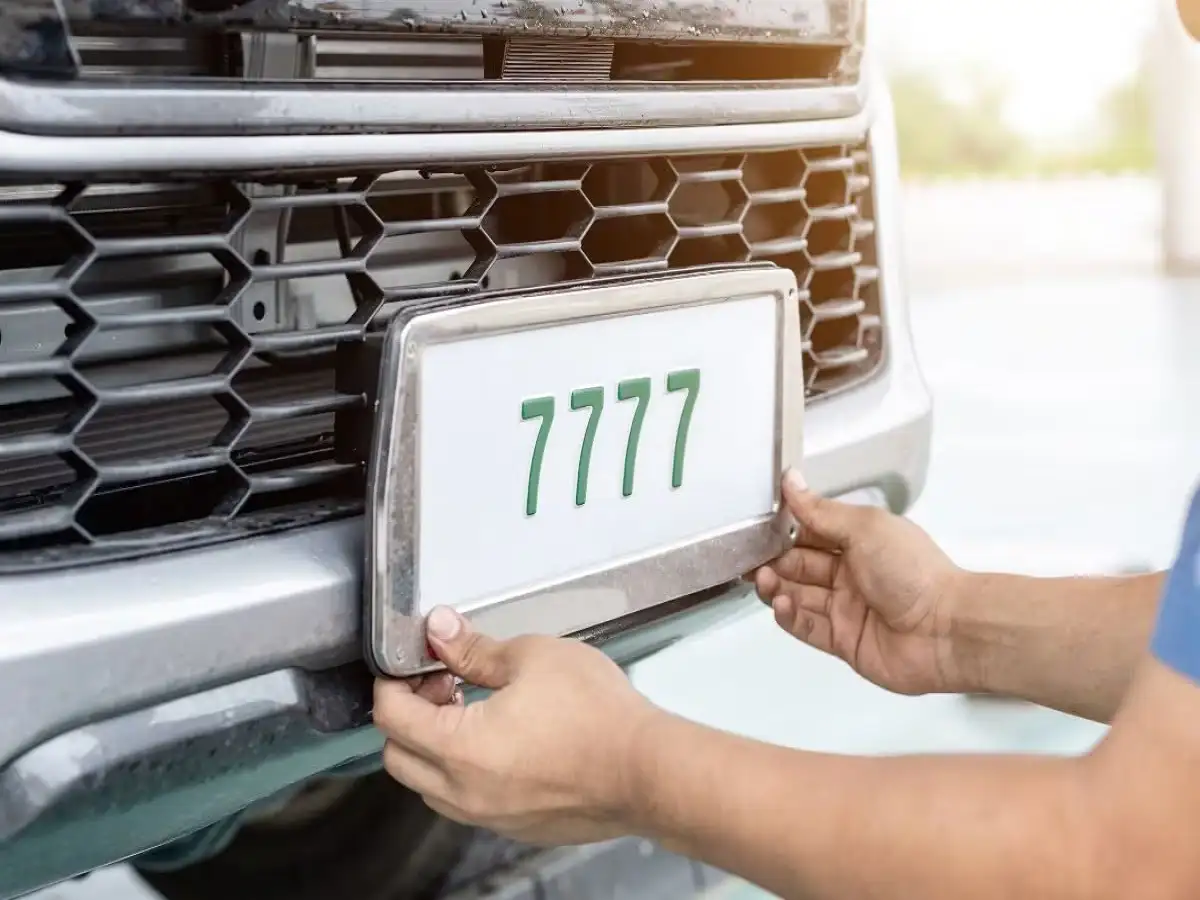
HSRP stands for High-Security Registration Plate. It is a standardised registration plate designed with security features that make tampering and counterfeiting more difficult compared with ordinary locally manufactured number plates.
HSRPs are made from aluminium and incorporate prescribed identification and security features. They are fitted using an approved mechanism intended to make unauthorised removal or replacement more difficult.
The broader purpose of the system is to improve vehicle identification, standardise registration plates and reduce the possibility of number plate-related misuse.
Can an Improper Number Plate Lead to a Fine?
Vehicle owners should avoid driving with registration plates that are broken, obscured, incorrectly displayed or otherwise fail to meet the applicable requirements.
The original report states that violations involving HSRP requirements may attract penalties ranging from ₹5,000 to ₹10,000, with a fine of up to ₹5,000 mentioned for an initial violation and up to ₹10,000 for a subsequent violation.
However, vehicle owners should note that the actual challan can depend on the applicable legal provision, state-specific implementation and the nature of the violation. Therefore, motorists should check the latest enforcement rules applicable in their state rather than assuming that the same penalty structure applies everywhere.
Which Vehicles Need an HSRP?
Registration plate standards are governed by provisions under the Central Motor Vehicles Rules, including Rule 50.
HSRP compliance is particularly relevant for owners of older vehicles. Vehicles registered before April 1, 2019 may be subject to state-specific procedures for getting an HSRP installed or replaced.
Requirements, deadlines, booking systems and enforcement can differ across states and Union Territories. Therefore, owners of older cars and two-wheelers should check the latest notification issued by their respective transport department.
If your vehicle was registered years ago and continues to carry an old-style number plate, do not automatically assume that it remains compliant. Check the current HSRP requirement applicable to your registration.
Damaged or Unreadable Number Plate? Don't Ignore It
Even if your vehicle already has the correct type of registration plate, its condition matters.
A broken, damaged, faded or difficult-to-read plate can create problems because the vehicle registration number needs to remain clearly visible. Vehicle owners should inspect both the front and rear registration plates and arrange a replacement when necessary.
Avoid making unofficial alterations to the registration plate, changing its prescribed appearance or using decorative plates that may not comply with applicable standards.
Use Only an Authorised Channel for HSRP
If your vehicle requires a new HSRP, use the booking or installation mechanism authorised for your state and vehicle.
Vehicle owners should be cautious about unknown websites or individuals claiming to provide official HSRPs. Before making a payment or sharing vehicle information, verify that the platform or dealer is authorised to provide the service.
Depending on the state and vehicle manufacturer, the booking process may require information such as the vehicle registration number, chassis details and other registration-related information.
What Vehicle Owners Should Check Now
Owners of cars, motorcycles and other vehicles can reduce the risk of compliance problems by checking their number plates periodically.
Make sure that the registration number is clearly visible and that the plate is not broken, faded or improperly fitted. Owners of vehicles registered before April 1, 2019 should specifically check whether their state requires an HSRP and whether any deadline or enforcement drive is currently applicable.
Most importantly, don't rely only on social media posts or unofficial messages about fines and deadlines. Transport rules and enforcement procedures can vary between states.
Checking the latest instructions from your state transport department or an authorised HSRP service channel can help ensure that your vehicle's number plate meets the applicable requirements and may also help you avoid an unnecessary challan.