NEWS
Petrol and Diesel Prices Today: Crude Oil Slips Below $100, Check Latest Fuel Rates in Major Cities
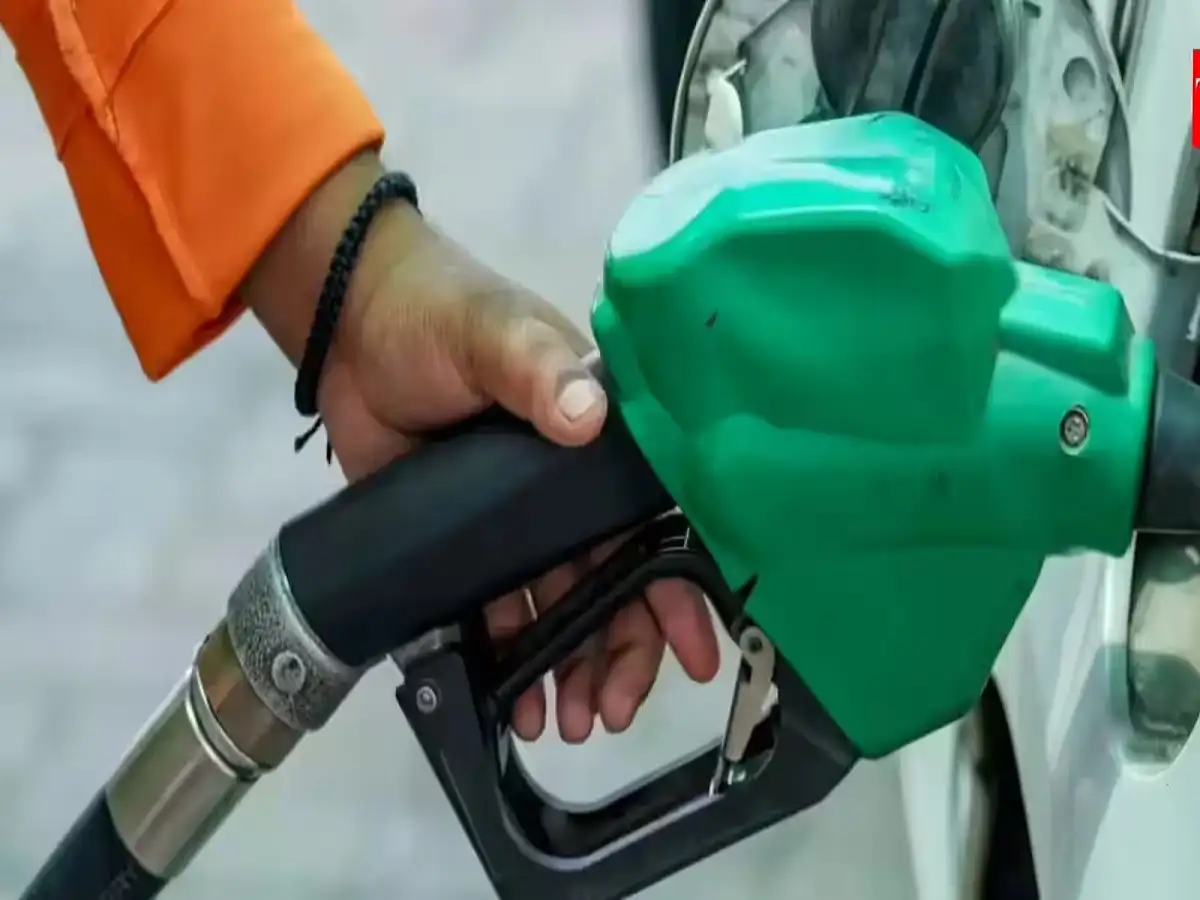
Petrol and diesel prices remain an important daily expense for millions of motorists across India. On September 26, 2026, retail fuel rates across major cities remained broadly stable even as international crude oil prices moved lower.
According to the latest rates cited in the report, petrol was averaging around ₹111.21 per litre, while diesel was around ₹97.83 per litre. However, the actual amount paid by consumers varies considerably from one city to another because of differences in local taxes, transportation expenses and other components of retail fuel pricing.
Delhi continues to have comparatively lower fuel prices than several other major cities. Petrol in the national capital is priced at ₹102.12 per litre, while diesel costs ₹95.20 per litre.
Mumbai, Bhopal, Patna and Nashik are among the cities where motorists are paying significantly more for petrol.
Petrol and Diesel Prices in Major Cities
Here are the fuel prices cited for some major Indian cities:
| City | Petrol Price per Litre | Diesel Price per Litre |
|---|---|---|
| Delhi | ₹102.12 | ₹95.20 |
| Mumbai | ₹111.31 | ₹97.97 |
| Chennai | ₹107.78 | ₹99.56 |
| Lucknow | ₹101.86 | ₹95.36 |
| Bhopal | ₹115.41 | ₹100.47 |
| Prayagraj | ₹101.82 | ₹95.05 |
| Patna | ₹113.35 | ₹99.36 |
| Nashik | ₹112.46 | ₹98.20 |
Among the cities listed above, Bhopal has the highest petrol price at ₹115.41 per litre. Diesel there is also above the ₹100 mark at ₹100.47 per litre.
Lucknow and Prayagraj, meanwhile, have petrol prices below ₹102 per litre based on the quoted rates.
Why Do Petrol and Diesel Prices Differ Between Cities?
Petrol and diesel do not have a single uniform retail price across India.
The amount consumers pay at a fuel station is influenced by several components, including the underlying fuel cost, central and state taxes, dealer commissions, transportation expenses and other applicable charges.
State-level taxation is one of the reasons motorists may see a noticeable difference in petrol and diesel prices when travelling between cities or states.
Local transportation and distribution costs can also influence the final pump price.
Consumers should therefore check the latest rate applicable to their own city rather than relying on the price quoted for another location.
Brent Crude Drops Below $100 a Barrel
The international crude oil market witnessed a decline on Friday morning.
At around 6 AM, Brent crude was quoted at approximately $98.87 per barrel, down $0.38. US West Texas Intermediate (WTI) crude was trading around $89.84 per barrel, after declining by approximately $0.68.
Brent crude had previously closed at around $99.25 per barrel.
The latest decline has brought Brent below the psychologically important $100-per-barrel level. Changes in global supply conditions and developments across international oil markets are among the factors being watched closely by traders.
However, a decline in crude oil prices does not necessarily result in an immediate reduction in petrol or diesel prices at Indian fuel stations.
Retail fuel pricing depends on several factors beyond the international crude benchmark, including exchange rates, taxation and pricing decisions by oil marketing companies.
Has Petrol Become Cheaper Because Crude Oil Fell?
Despite the decline in international crude prices, the fuel rates cited for major Indian cities do not indicate a corresponding nationwide reduction in petrol and diesel prices.
Therefore, motorists should not assume that petrol and diesel will automatically become cheaper whenever Brent crude falls.
There can be a time lag between international market movements and changes in domestic retail fuel prices, and crude is only one component affecting the final amount consumers pay.
India's Russian Crude Oil Imports Decline
India's crude oil sourcing pattern has also undergone changes in recent months.
According to the figures cited in the report, India's crude oil imports from Russia fell by approximately 16.5% in August compared with July, declining to around 2.1 million barrels per day.
At the same time, supplies from Middle Eastern producers have increased.
The report also states that Abu Dhabi National Oil Company (ADNOC) has been supplying crude through terminals including Fujairah and Sohar. Such changes can alter the geographical mix of India's crude oil imports.
India imports a large share of the crude oil it consumes, which makes developments in international energy markets particularly relevant for domestic fuel economics.
What Could Affect Petrol and Diesel Prices Next?
Future fuel prices will depend on a combination of international and domestic factors rather than crude oil prices alone.
Brent and WTI movements, the rupee-dollar exchange rate, international supply conditions, geopolitical developments, refinery economics, taxation and pricing decisions by oil marketing companies can all play a role.
A sustained decline in crude oil may reduce input-cost pressure, but it does not guarantee that the benefit will immediately appear as lower pump prices.
For now, consumers should check the latest city-specific petrol and diesel rates before refuelling, as prices can differ significantly depending on location. The figures above reflect the rates cited for September 26, 2026, and local pump prices should be verified before purchase.