NEWS
NALSAR controversy: CJI's advice to BCI, 'No need to interfere, I was also active as a student'
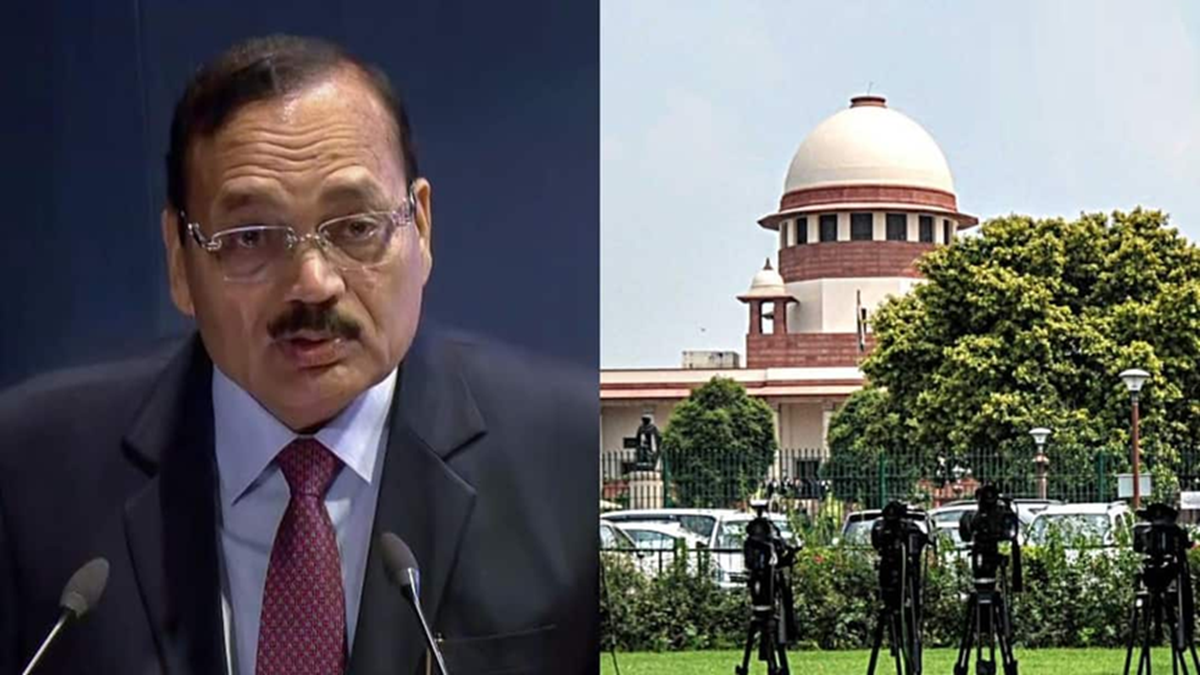
CJI Surya Kant made a significant comment on the Bar Council of India's statement regarding the ceremony at NALSAR Law University. He said there was no need for interference.
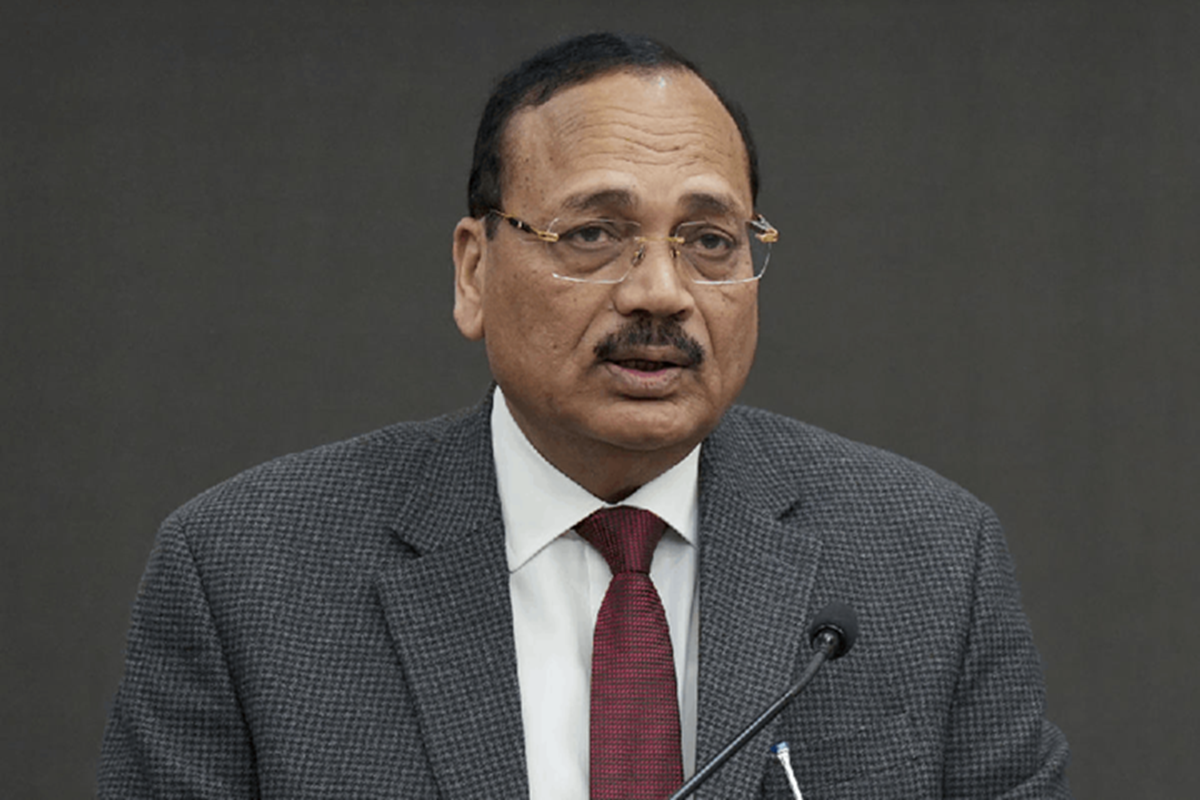
CJI Surya Kant's blunt statement on the protest of NALSAR students!
Chief Justice of India Surya Kant has issued a warning to the Bar Council of India (BCI) for its involvement in the NALSAR Law University controversy. He stated that if NALSAR students are protesting against him, there is no need for the Bar Council of India to intervene. No state bar council should prevent students from enrolling as lawyers.
The Chief Justice made this statement when the matter of the order issued by the Bar Council of India was raised in the Supreme Court. The Bar Council's lawyer informed him that the order had been withdrawn yesterday.
What did CJI say about action against students?
The Chief Justice said that when he was a student, he too was very active on various issues. Students should not face any action for expressing their views.
The Chief Justice also said, "If any young person says anything against us, let them do so. We want these students to get their licenses quickly. They can come to the Supreme Court and practice. We will give them the opportunity to work in the Legal Services Authority. This will be the best answer to those who want to influence their careers."
What is the whole matter after all?
In fact, some students from the 2026 batch of NALSAR, Hyderabad, protested against CJI Surya Kant's participation in the convocation. Following this, the BCI issued an order prohibiting the students from enrolling as lawyers. The BCI initially proposed an interim stay on the students' enrollment. It also requested a report from the university on the matter. The BCI also requested information about the students and organizers involved in the protest.
Controversy over BCI statement
The Bar Council withdrew its decision after the controversy. Congress, Asaduddin Owaisi, and the CJP strongly objected to this decision. Abhijit Dipke of the CJP even hinted at a movement demanding his resignation.