ASTROLOGY
Vastu Tips for Bedroom: Why Keeping Medicines Under Your Pillow Is Considered Inauspicious
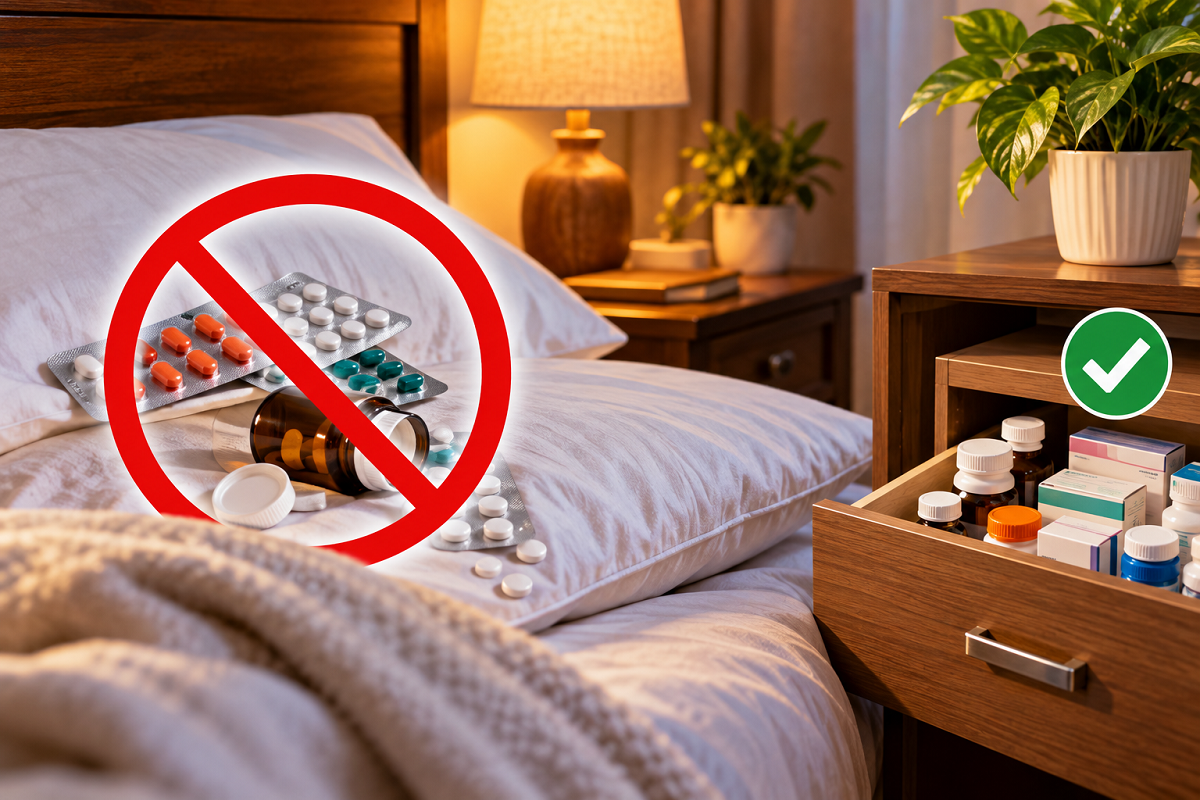
Vastu Tips for Home: A peaceful bedroom is often associated with better relaxation, emotional comfort and restful sleep. In traditional Indian households, Vastu Shastra plays an important role in determining how furniture, household items and personal belongings should be arranged to create a balanced living environment.
According to traditional Vastu beliefs, certain objects should not be placed near the sleeping area because they are considered unsuitable for a space dedicated to rest and positive energy. Medicines, medical documents and other illness-related belongings are among the items that some Vastu practitioners recommend keeping away from the pillow and bed.
The belief is that frequently seeing reminders of illness near the sleeping area may contribute to negative thoughts or unnecessary worry. However, there is no scientific evidence that keeping medicines near the bed attracts negative energy or causes illness.
Beyond these traditional beliefs, there are practical reasons to store medicines carefully, including protection from moisture, excessive heat and accidental damage.
Here is what Vastu traditions suggest about keeping medicines in the bedroom and how to store them safely.
Why Does Vastu Shastra Discourage Keeping Medicines Under the Pillow?
In Vastu Shastra, the bedroom is traditionally regarded as a place where the body and mind recover from daily activities.
The pillow is particularly associated with rest because it supports the head during sleep.
Some traditional interpretations of Vastu advise against placing medicines, medical prescriptions or health-related documents directly beneath the pillow.
According to these beliefs, such objects may serve as reminders of illness and disturb the peaceful atmosphere of the bedroom.
People who follow these principles believe that keeping medical items close to the head may be associated with:
- Increased attention to health-related worries.
- Feelings of restlessness before sleeping.
- Unnecessary anxiety about medical conditions.
- Difficulty maintaining a calm sleeping environment.
- A bedroom atmosphere that feels less relaxing.
These are traditional interpretations rather than scientifically established effects of medicine placement.
From a practical perspective, keeping tablets, capsules or medicine strips beneath a pillow is also not ideal because the packaging may become damaged or the medicines could be misplaced.
Why Should Medicines Not Be Stored Under the Bed?
Traditional Vastu recommendations often emphasise keeping the area beneath the bed clean, open and free from unnecessary belongings.
According to these principles, storing excessive items beneath sleeping furniture may contribute to a sense of clutter and disrupt the room's perceived balance.
Medicines, old medical records, unused household items and other belongings are therefore commonly discouraged in this space.
While claims about negative energy are matters of belief, keeping the area beneath the bed organised can make cleaning easier and reduce dust accumulation.
There are also important medicine-storage considerations.
The space beneath a bed may be exposed to dust, moisture, temperature changes or accidental damage, depending on the room's conditions.
Some medicines can lose stability when stored outside the temperature and humidity ranges recommended by their manufacturers.
For this reason, medicines should always be kept according to the instructions printed on their packaging rather than being placed in an unsuitable location simply for convenience.
Where Should You Keep Medicines According to Vastu?
Traditional Vastu advice generally favours keeping personal belongings organised and assigning them appropriate storage spaces.
For medicines, a separate cabinet or drawer may be a practical option, provided it meets the storage conditions specified for those products.
An appropriate medicine-storage area should ideally be:
- Clean, dry and protected from excessive humidity.
- Away from direct sunlight and unnecessary heat.
- Properly organised so medicines can be identified easily.
- Secure and inaccessible to young children and pets.
- Suitable for the temperature requirements printed on medicine labels.
Certain medicines require refrigeration or other special storage arrangements. These instructions should always take priority over traditional placement preferences.
People who regularly take prescribed medicines should also ensure that the medicines remain accessible when needed.
Can Keeping Medicines Near the Bed Affect Sleep?
There is no established scientific evidence that simply placing medicines beside a bed directly causes disturbed sleep, anxiety or negative energy.
However, a person's emotional response to objects in their surroundings can vary.
For example, someone experiencing health-related stress might find that constantly seeing medical reports or medicine packaging reminds them of ongoing concerns.
In such cases, organising those belongings in a designated location may help create a bedroom environment that feels less cluttered.
Other people may feel more reassured by having essential medication nearby.
The most suitable arrangement depends on personal needs, medical advice and safe storage requirements.
If a doctor has advised someone to keep emergency medication within reach, that recommendation should not be ignored because of Vastu beliefs.
How to Maintain a Calm and Organised Bedroom
Vastu traditions frequently encourage people to maintain cleanliness and order in sleeping areas.
Regardless of whether someone follows Vastu Shastra, a comfortable bedroom environment can support healthy sleep habits.
Keeping unnecessary belongings away from the bed, maintaining comfortable lighting and ensuring proper ventilation may help make the room more relaxing.
It can also be useful to organise medical prescriptions, test reports and medicine packaging in labelled folders or designated storage areas.
This approach reduces clutter while making important documents easier to locate during medical appointments.
However, medicines should never be moved to unsafe or inaccessible locations merely to improve the room's appearance.
Important Medicine Storage Precautions Everyone Should Follow
Proper medicine storage is essential for maintaining product quality and reducing the risk of accidental exposure.
Always check the manufacturer's instructions before deciding where to keep a particular medicine.
Avoid leaving medicines exposed to excessive heat, moisture or direct sunlight unless the product instructions specifically permit those conditions.
Keep medicines in their original labelled packaging whenever possible. This helps prevent confusion about dosage instructions, expiry dates and the identity of different products.
It is also important to check expiry dates periodically and dispose of unused or expired medicines through appropriate methods.
For households with children, medicines should be stored securely, preferably in a locked cabinet or another child-resistant location.
If medication is required urgently during the night, accessibility should be considered alongside storage safety.
What Matters More: Vastu Beliefs or Medical Requirements?
Vastu Shastra is a traditional system that many people follow when arranging their homes.
Its recommendations regarding medicines are generally connected with symbolic ideas about health, peace and the atmosphere of a living space.
However, these beliefs should not be confused with medical evidence.
There is no scientific basis for claiming that medicines kept near a pillow will automatically cause health problems or bring misfortune.
The most important consideration is whether the medicine is stored safely and remains available when required.
People who take daily medication, manage chronic conditions or rely on emergency medicines should follow instructions from their healthcare professionals.
Final Thoughts
According to traditional Vastu beliefs, keeping medicines beneath a pillow or storing medical belongings under the bed is discouraged because the bedroom is considered a place for peace, rest and positive energy.
While these interpretations are rooted in tradition rather than scientific evidence, maintaining an organised sleeping environment can offer practical benefits.
Medicines should ideally be stored in a clean, secure and suitable location that follows the manufacturer's instructions.
The key is to balance personal Vastu preferences with medicine safety, convenience and medical necessity. A tidy bedroom may help create a more comfortable atmosphere, but prescribed medicines must always remain safely accessible when needed.
Disclaimer: The Vastu recommendations discussed in this article reflect traditional beliefs and are not scientifically established medical facts. Always follow medicine-storage instructions and advice from qualified healthcare professionals.