LIFESTYLE
Milk Storage Tips: Does milk spoil quickly even in the refrigerator? Learn the right place to store it.
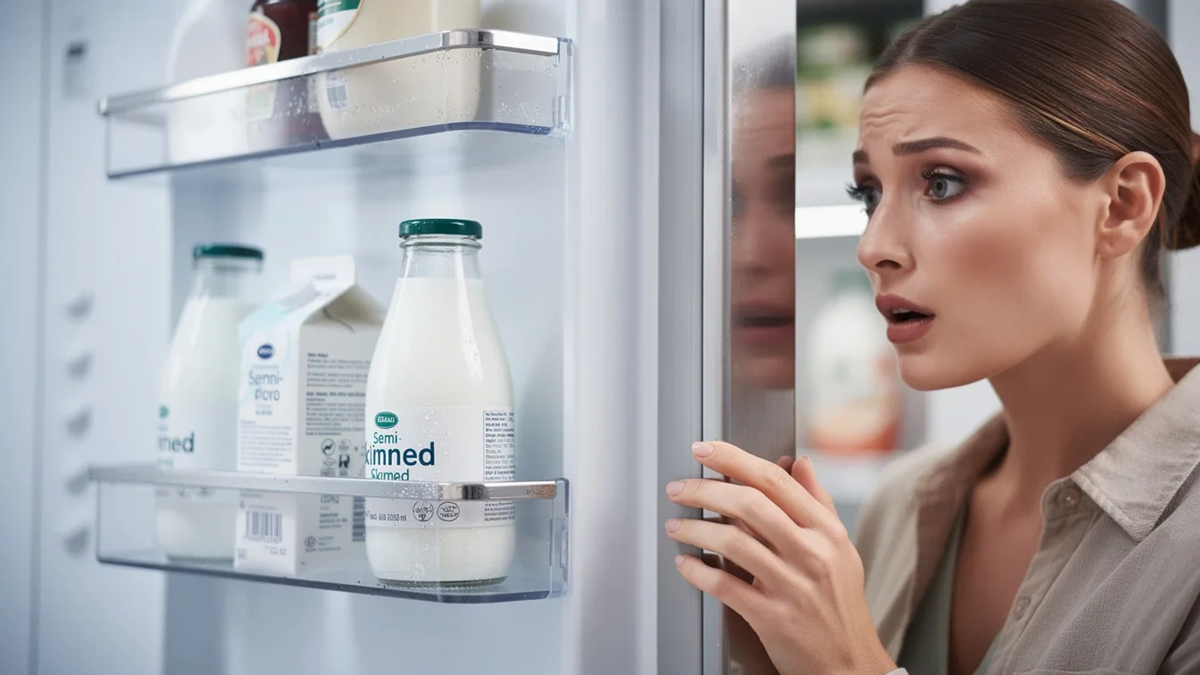
Food Storage Hacks: Sometimes, despite being refrigerated, milk starts to spoil quickly. Sometimes its taste changes, and sometimes it starts to sour.
Where to keep milk in the fridge?
Never Store Milk in the Fridge Door: After purchasing milk, we store it in the refrigerator. But sometimes, despite refrigeration, the milk quickly begins to spoil. Sometimes its taste changes, and sometimes it becomes sour. In such situations, we often assume the milk is spoiled. But did you know that the location of the milk in the refrigerator also affects its freshness?
Not every part of the refrigerator remains the same cold. Some areas experience frequent temperature fluctuations, while others remain colder and more stable. This is why it's important to choose the right place to store milk in the refrigerator.
Putting it anywhere in the fridge won't work.
Milk and dairy products are perishable and can be affected by temperature changes. Temperatures don't remain constant across different parts of the refrigerator. When the refrigerator door is opened frequently, warm air affects the surrounding area. Meanwhile, the back of the refrigerator, especially on the bottom shelf, can remain cooler and more stable. Therefore, it's best to store milk in a place where the temperature doesn't fluctuate frequently.
Is it okay to keep milk in the refrigerator door?
If you keep milk packets or bottles in the refrigerator door, it's time to change your habit. The refrigerator door is a place where the temperature fluctuates the most. Whenever the refrigerator is opened, the outside air affects the door. This can cause milk stored in the door to repeatedly become slightly warm and then cool. This temperature change can cause the milk to spoil quickly. It's best to keep items with a long shelf life in the refrigerator door that are not affected by minor temperature changes.
What is the right place to store milk?
It's best to store milk in the back of the refrigerator, choosing the middle or bottom shelf, where the temperature remains cooler and more stable. It's also important to seal the milk packet or bottle tightly after use. This reduces the milk's exposure to ambient air and odors from other items in the refrigerator. It's also best to store milk in its original packet or container. Milk packets are designed to protect it from light and external influences.
Do not leave milk out for long
After using milk, don't wait too long to put it back in the refrigerator. If milk is left out for a long time, its temperature can rise and cause it to spoil faster. Therefore, take out only the amount of milk you need to use and return the remaining milk to the refrigerator immediately.
Is this the same method for all types of milk?
These milk storage tips apply to most dairy milks. Whether full-cream, low-fat, or skim milk, it's best to store it in a cool, stable place in the refrigerator. The same applies to non-dairy milks like almond, oat, and soy. These milks may be less sensitive to temperature changes, but they're still best stored in a cool, tightly closed container in the refrigerator.
How to identify if milk has gone bad?
Even when stored properly, milk doesn't last forever. If the milk begins to smell unusually sour or rancid, it shouldn't be used. The texture of the milk can also indicate spoilage. If the milk has formed lumps, curdled, separated into layers, or is thicker than normal, it's best to discard it. Milk should also be discarded if it tastes sour or strange.