LIFESTYLE
Mango and Blood Sugar: Mango is not poisonous for diabetic patients. Learn from experts the right way to eat it.
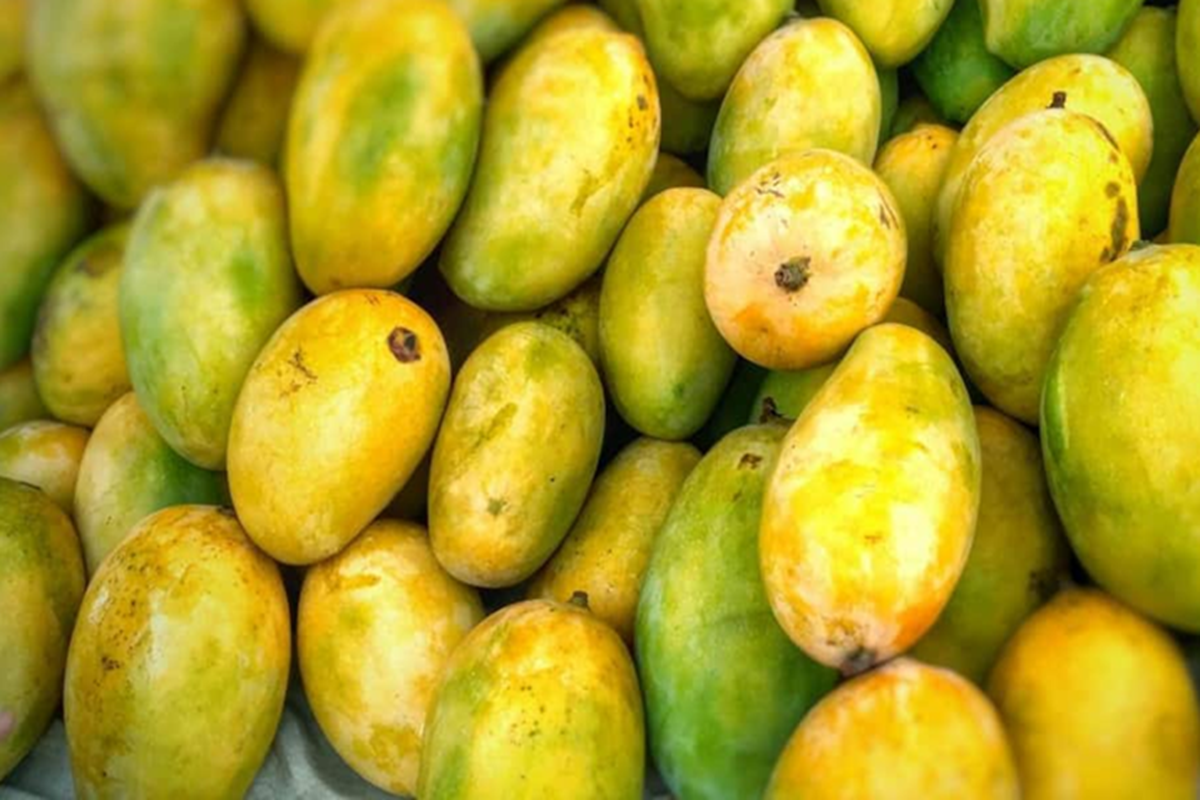
Mango: The reality is much more nuanced than the fear-mongering surrounding mangoes. Mangoes contain natural sugars, but that doesn't mean diabetics shouldn't eat them at all.

Can diabetes patients eat mangoes?
Can Diabetics Eat Mangoes Without Raising Blood Sugar? With the arrival of summer, the sweetness of mangoes beckons. Whether it's sliced mangoes with lunch or a bowl of cold mangoes at dinner, this fruit brings back memories along with its delicious flavor. But for people with diabetes, mango season often raises the question: Is it safe to eat mangoes, or could they cause a rapid increase in blood sugar? Let's find out what experts have to say about this.
Is Mango Khan safe?
The truth is that the reality is far more balanced than the fears spread about mangoes. Mangoes contain natural sugar, but that doesn't mean diabetics shouldn't eat them at all. Experts say that more important than eating mangoes is understanding how much, when, and with what ingredients. Dr. Aishwarya Krishnamurthy told TOI that diabetics don't need to completely avoid mangoes. She says that mangoes, eaten in the right quantity and in the right way, can be part of a balanced diet.
Is sweet mango harmful?
Mangoes are sweet, but sweetness alone doesn't determine whether something is harmful or not. Ripe mangoes also contain nutrients like fiber, vitamin A, vitamin C, antioxidants, and polyphenols. Fiber slows down the digestion process, preventing blood sugar from rising as rapidly as can occur after consuming sweetened drinks or desserts. Research also shows that the effects of carbohydrates depend on their source and the amount of fiber they contain.
What mistakes should not be made while eating mango?
However, the problem begins when mangoes are consumed incorrectly. Mango juice, shakes, or sweet desserts on an empty stomach can cause a rapid spike in blood sugar. Dr. Krishnamurthy recommends eating mango pieces with a protein or healthy fat source, such as almonds, seeds, Greek yogurt, or cottage cheese. This slows down digestion and keeps blood sugar more stable. The timing of eating mangoes also matters. Experts say eating mangoes during the day is preferable, as the body is more active and insulin works better. Eating mangoes late at night can increase blood sugar fluctuations. Therefore, eat mangoes in small portions, eat them during the day, and avoid pairing them with sweet desserts or packaged drinks.
What should a diabetic patient keep in mind?
Portion control is key. Most diabetics can comfortably eat half to one cup of mango occasionally, though this also depends on their medication, sugar control, and lifestyle. Experts believe that awareness, rather than fear, is more important. Instead of completely giving up a favorite seasonal fruit, eating it in moderation may be a better option.