Business
LPG Gas Saving Tips: Avoid These 3 Kitchen Mistakes to Make Your Cooking Gas Cylinder Last Longer
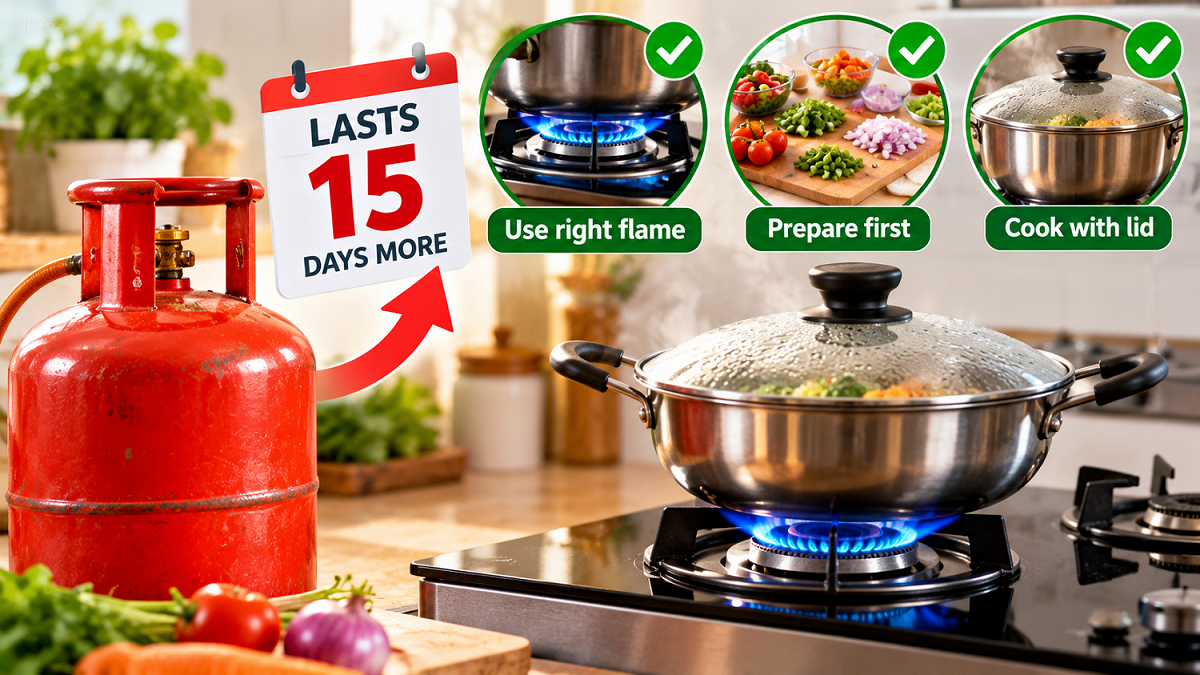
LPG Saving Tips 2026: Cooking gas is an essential household expense, and many families look for practical ways to make their LPG cylinders last longer. If your cylinder runs out sooner than expected, inefficient cooking habits may be contributing to unnecessary fuel consumption.
Simple changes, such as adjusting the flame, preparing ingredients before lighting the burner and covering cooking utensils, can help reduce gas wastage.
Some reports suggest that adopting efficient cooking practices could extend cylinder usage by as much as 15 days. However, actual savings depend on household size, cooking frequency and existing consumption habits.
Here are three common cooking mistakes that may increase LPG usage and the practical steps households can take to avoid them.
1. Using High Flame for Every Cooking Task
Many people assume that cooking on a high flame will always prepare food faster and save gas. However, excessive heat can sometimes lead to fuel wastage.
When flames extend beyond the bottom of a cooking vessel, part of the heat escapes into the surrounding air instead of heating the food.
Using a suitable flame level can improve cooking efficiency.
How to Save Gas
- Use a medium flame for everyday cooking whenever appropriate.
- Reduce the flame once water or food begins boiling.
- Choose a burner that matches the size of the cooking vessel.
- Avoid allowing flames to spread beyond the bottom of the pan.
For example, while preparing rice or dal, a higher flame may be useful initially. Once the water starts boiling, reducing the flame can help maintain cooking while avoiding unnecessary fuel consumption.
The appropriate flame level depends on the food being prepared.
2. Lighting the Burner Before Preparing Ingredients
Another common mistake is switching on the gas stove before chopping vegetables, measuring spices or arranging cooking utensils.
During this preparation period, the burner may continue consuming gas without contributing meaningfully to the cooking process.
Although the wastage during one meal may seem small, repeating this habit several times daily can increase overall LPG consumption.
What Should You Do?
Complete the necessary food preparation before lighting the burner.
Keep chopped vegetables, spices, cooking oil and other ingredients ready.
Arrange the required utensils so that cooking can begin immediately.
This simple practice can help reduce unnecessary burner time and make the cooking process more organised.
3. Cooking Food Without Covering the Utensil
Leaving cooking vessels uncovered allows heat and steam to escape.
As a result, certain foods may take longer to cook, requiring additional fuel.
Using an appropriately fitted lid can help retain heat and moisture, improving cooking efficiency.
How to Use Lids Effectively
Cover suitable dishes while preparing rice, dal and vegetables.
Use lids when heating water or cooking foods that benefit from retained steam.
However, some foods require special attention. Milk, for example, can boil over quickly, while certain dishes need occasional stirring or uncovered cooking.
Therefore, use lids according to the cooking requirements and monitor the food regularly.
Additional Tips to Reduce LPG Consumption
Apart from correcting these three habits, households can adopt several other measures to improve cooking efficiency.
Use a pressure cooker: Pressure cooking can reduce preparation time for foods such as pulses, beans and certain vegetables. Always follow the manufacturer's safety instructions.
Soak pulses before cooking: Soaking suitable pulses and beans can help shorten cooking time.
Choose appropriate utensils: Flat-bottomed cooking vessels and properly sized pans can improve heat transfer.
Keep gas burners clean: Dirty or blocked burners may affect flame performance. Clean them regularly when the stove is switched off and cool.
Avoid unnecessary reheating: Preparing appropriate portions can help reduce repeated cooking and reheating.
Use only the required amount of water: Excess water can increase heating and cooking time in certain dishes.
These adjustments may help households use cooking gas more efficiently without compromising food quality.
Can an LPG Cylinder Really Last 15 Days Longer?
The claim that a cylinder can last an additional 15 days should not be treated as a guaranteed result.
The lifespan of a domestic LPG cylinder depends on several factors, including the number of family members, frequency of cooking, type of food prepared and efficiency of the stove.
For example, a household that frequently leaves the burner running unnecessarily may notice greater savings after changing its habits.
However, a family already following efficient cooking practices may experience a smaller improvement.
There is no fixed evidence in the supplied report demonstrating that these three measures will extend every cylinder's usage by exactly 15 days.
The main objective is to minimise unnecessary fuel consumption and improve household budgeting.
How to Check Whether Your LPG Consumption Has Reduced
Families can monitor their cooking gas usage by recording the date on which each new cylinder is installed.
Compare the number of days different cylinders last while considering changes in cooking frequency and household requirements.
If cylinders consistently last longer after adopting efficient cooking habits, it may indicate reduced fuel consumption.
However, consumption can also change because of guests, festivals, different cooking routines or changes in family size.
Comparing usage over several refill cycles can provide a more meaningful picture.
Important LPG Safety Precautions
Saving gas should never come at the expense of kitchen safety.
Always switch off the burner after cooking and close the regulator when the stove is not in use, following the supplier's instructions.
Keep the cylinder upright in a well-ventilated location and avoid placing flammable materials near the stove.
If you suspect a gas leak, do not operate electrical switches or use flames. Turn off the gas supply if it is safe to do so, ventilate the area, move away from the leak and contact your LPG distributor or emergency service.
Never attempt to repair a damaged regulator, hose or cylinder yourself.
Regular inspection and safe handling are essential for preventing accidents.
Final Word
Reducing LPG consumption does not necessarily require expensive equipment or major changes to everyday cooking.
Avoiding excessive flames, preparing ingredients before lighting the stove and using lids where appropriate can help prevent unnecessary gas wastage.
Additional habits, such as pressure cooking, using suitable utensils and maintaining clean burners, may further improve efficiency.
Although the actual savings will vary between households, adopting these practical techniques can help families manage their cooking gas expenses more effectively.
Editorial note: The claim that these practices can make an LPG cylinder last 15 additional days is mentioned in the supplied October 21, 2026 report but is not supported by a quantified study in that material. Actual fuel savings depend on cooking habits, equipment and household consumption.