Business
LPG Cylinder Price Today, November 20: Will Higher Dealer Commission Make Cooking Gas Costlier?
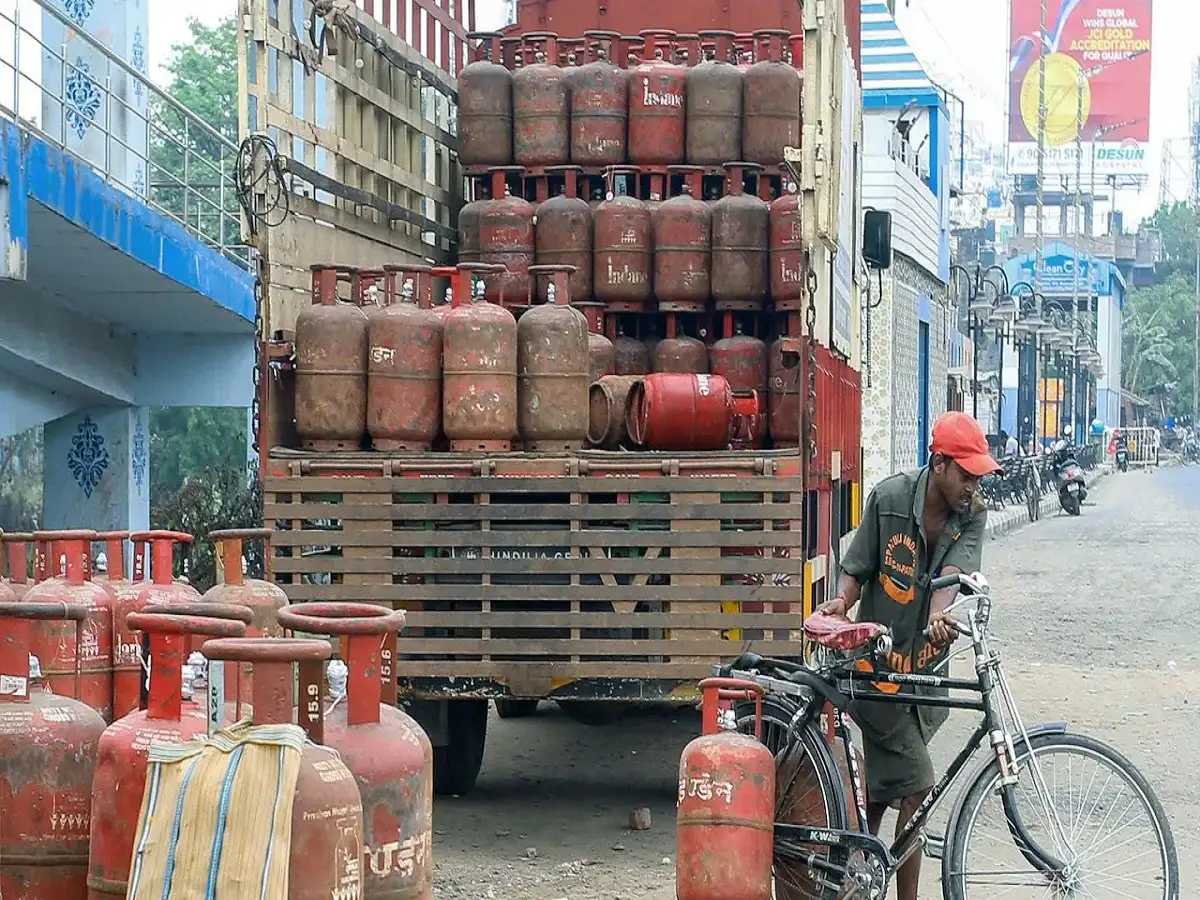
LPG Price Today, November 20, 2026: Millions of Indian households depend on liquefied petroleum gas (LPG) for their daily cooking needs. Any change in cylinder prices can directly affect household budgets, particularly for families managing rising living expenses.
According to a recent report, domestic LPG cylinder prices have remained unchanged despite demands from gas distributors for an increase in their commission.
However, discussions surrounding dealer commissions have raised questions about whether consumers could face higher LPG prices in the coming months.
Distributors are reportedly seeking an increase in the commission paid on each 14.2 kg domestic LPG cylinder, citing rising operating expenses and delivery costs.
If the demand is accepted, it could affect the cost structure of LPG distribution. Nevertheless, a higher distributor commission would not automatically mean an equivalent increase in the retail price paid by consumers.
Here is a detailed look at the reported LPG cylinder prices, dealer commission demands and their possible impact on households.
Domestic LPG Cylinder Prices Remain Unchanged
The original report, published on November 20, states that domestic LPG cylinder prices remained stable as of November 19, 2026.
According to the report, a standard 14.2 kg domestic LPG cylinder was priced at ₹942.50 in Delhi.
Prices vary between cities because of factors such as transportation expenses, local distribution costs and applicable pricing arrangements.
The following figures are based on the rates quoted in the source report.
Domestic LPG Cylinder Prices in Major Indian Cities
| City | Domestic LPG Price (14.2 kg) |
|---|---|
| Delhi | ₹942.50 |
| Noida | ₹941.50 |
| Mumbai | ₹968.00 |
| Patna | ₹1,031.50 |
| Bengaluru | ₹944.50 |
| Chandigarh | ₹951.50 |
| Lucknow | ₹979.50 |
| Hyderabad | ₹994.00 |
| Bhubaneswar | ₹968.50 |
Note: These are the November 19 prices reported by the source, not independently verified live prices for November 20.
Consumers should confirm the applicable rate through their LPG provider before booking a refill.
Commercial LPG Cylinder Prices: Check Latest Rates
Commercial LPG cylinders are widely used by restaurants, hotels, catering businesses and other establishments.
Unlike domestic cylinders, commercial LPG prices can experience more frequent adjustments depending on market conditions and pricing decisions.
The source report states that the price of a 19 kg commercial LPG cylinder increased by ₹10 on November 1, 2026.
It also claims that no additional revision had been announced by November 19.
However, commercial cylinder rates vary considerably between cities.
Commercial LPG Cylinder Prices in Major Cities
| City | Commercial LPG Price (19 kg) |
|---|---|
| Delhi | ₹2,820.00 |
| Noida | ₹2,820.00 |
| Mumbai | ₹2,775.00 |
| Chandigarh | ₹2,843.00 |
| Gurugram | ₹2,838.00 |
| Bengaluru | ₹2,909.00 |
| Lucknow | ₹2,932.00 |
| Jaipur | ₹2,947.00 |
| Bhubaneswar | ₹3,004.00 |
| Hyderabad | ₹3,081.00 |
| Patna | ₹3,117.50 |
These figures are reproduced from the original report for reference. Actual prices should be checked with the relevant oil marketing company.
Why Are LPG Distributors Demanding Higher Commission?
LPG distributors play an important role in delivering cooking gas cylinders to households across India.
Their responsibilities generally include managing cylinder inventories, maintaining distribution infrastructure, handling customer bookings and arranging deliveries.
According to the report, distributors currently receive approximately ₹75 per 14.2 kg domestic LPG cylinder.
Gas agency operators are reportedly seeking an increase in this amount to between ₹120 and ₹150 per cylinder.
Distributors argue that their operating expenses have increased over time.
These expenses can include employee salaries, transportation, fuel, warehouse maintenance, delivery operations and other administrative costs.
They maintain that the existing commission structure may not adequately reflect the cost of running an LPG distribution business.
However, the reported commission figures and proposed revision require confirmation from official industry or government sources.
Could LPG Cylinder Prices Increase by ₹45 to ₹70?
The source report suggests that domestic LPG prices could rise by approximately ₹45 to ₹70 if the commission demand is accepted.
However, this should be treated as a possible scenario rather than a confirmed price increase.
The actual effect on consumers would depend on how any additional distribution costs are handled by the government and oil marketing companies.
A commission increase could potentially be absorbed within the existing pricing structure, offset through other adjustments or passed on to customers.
Therefore, it would be inaccurate to conclude that a ₹45 to ₹70 increase in domestic LPG prices has already been approved.
As of the information presented in the source report, no such confirmed retail price revision has been established.
How LPG Cylinder Prices Are Determined in India
The retail price of an LPG cylinder reflects several components.
These can include the underlying cost of LPG, transportation and distribution expenses, dealer margins and applicable taxes.
International energy prices and currency movements can also influence LPG costs.
For domestic consumers, government support and subsidy arrangements may affect the final financial burden.
The price paid by a household can therefore differ from the broader economic cost of supplying the cylinder.
Any change in distributor remuneration is only one factor within this larger pricing structure.
Will PM Ujjwala Yojana Beneficiaries Be Affected?
Households receiving support under the Pradhan Mantri Ujjwala Yojana (PMUY) may have access to government-approved LPG subsidy benefits, subject to eligibility and applicable conditions.
However, any future impact of a distributor commission revision on subsidised consumers would depend on official government decisions.
Consumers should avoid assuming that an increase in distributor commission will automatically change their subsidy entitlement.
Beneficiaries should check the latest information provided by their LPG company or the Ministry of Petroleum and Natural Gas.
How to Check the Latest LPG Cylinder Price
Customers can verify current domestic and commercial LPG prices through the official websites or applications of their respective LPG providers.
The main providers include:
- Indane: https://iocl.com
- Bharatgas: https://www.bharatpetroleum.in
- HP Gas: https://www.hindustanpetroleum.com
Customers can also contact their authorised LPG distributor for the applicable refill price.
When checking rates, it is important to select the correct city and cylinder category.
Domestic 14.2 kg cylinders and commercial 19 kg cylinders have different pricing structures and should not be compared directly.
What Should Consumers Do Now?
For the time being, consumers should distinguish between confirmed LPG price revisions and proposals made by industry representatives.
A demand for higher distributor commission does not necessarily mean that cylinder prices will increase immediately.
Households should continue checking official price announcements rather than relying on speculative reports.
Consumers should also verify the amount shown on their LPG booking confirmation and delivery invoice.
If an LPG distributor demands an unauthorised additional payment, customers can raise the matter through the relevant oil marketing company's official complaint channels.
Final Takeaway
Domestic LPG cylinder prices were reported to be stable on November 19, 2026, even as distributors continued to seek higher commissions.
The report indicates that gas agency operators want their commission increased from approximately ₹75 to ₹120–₹150 per domestic cylinder.
Although this could potentially increase distribution costs, there is no confirmed decision in the supplied report establishing a ₹45–₹70 rise in retail LPG prices.
Consumers should wait for official announcements from the government or oil marketing companies before drawing conclusions about future price changes.