Smartphones have become an essential part of daily life. From making calls and sending messages to handling banking, entertainment, office work, and online shopping, people now rely heavily on their mobile devices throughout the day. Because of this constant usage, charging the phone regularly has become a routine habit for most users.
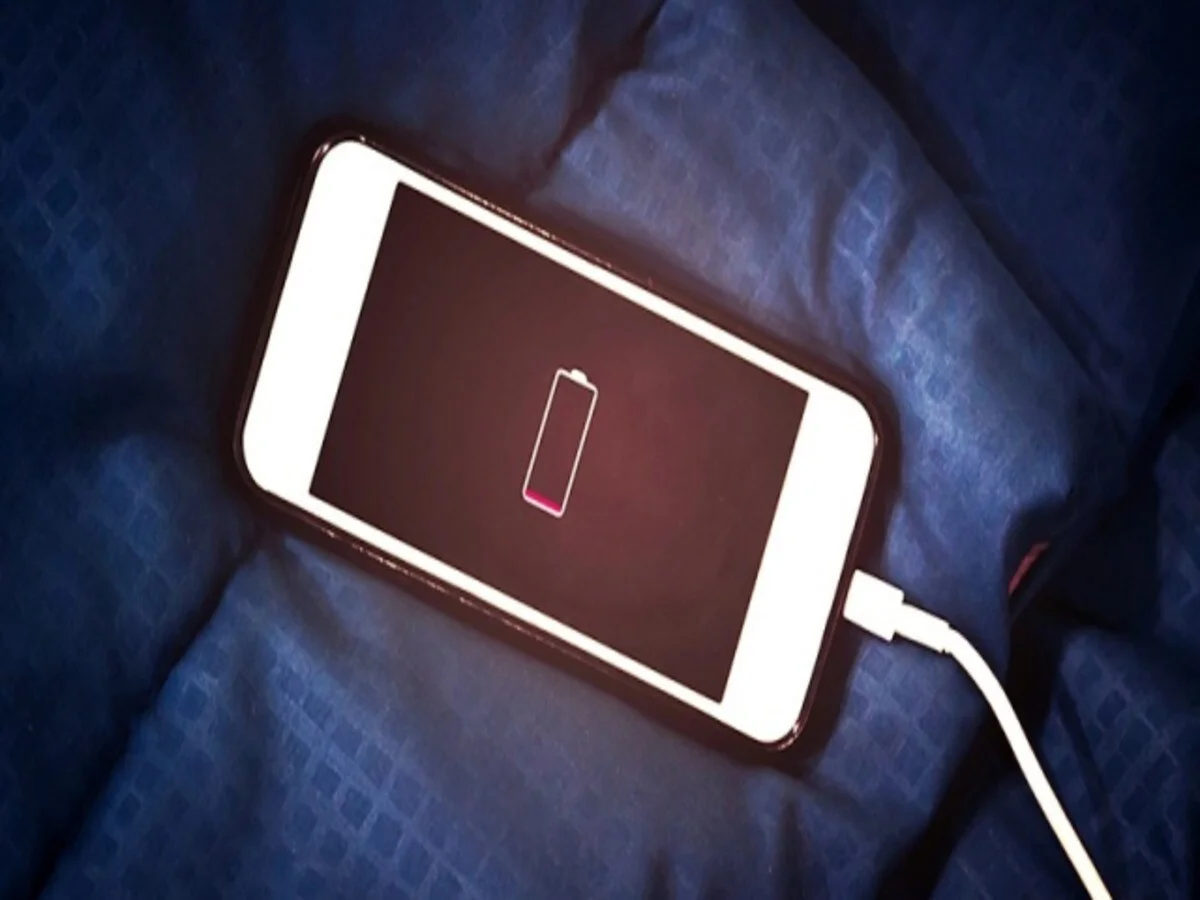
One common practice among smartphone users is leaving the phone plugged in overnight for charging. It feels convenient because the device is fully charged by morning, but many people still wonder whether keeping a phone connected to the charger for several hours can damage the battery or reduce its lifespan.
While modern smartphones are far more advanced than older devices, experts say there are still a few important things users should understand about overnight charging and battery health.
Modern Smartphones Use Advanced Battery Technology
Today’s smartphones are powered by advanced lithium-ion batteries, which are designed to handle charging more safely and efficiently than older battery technologies.
Most modern devices also include intelligent battery management systems that automatically control charging speed, temperature, and power flow. These systems help prevent major battery damage and improve safety during long charging sessions.
Because of these technological improvements, smartphone batteries are now more reliable and durable than before.
The Truth About Overcharging
One of the biggest myths surrounding overnight charging is the fear of “overcharging.” In reality, most modern smartphones are built with automatic charging protection.
Once the battery reaches 100%, the phone usually stops drawing additional power from the charger. This means the device does not continuously charge at full capacity throughout the night.
Manufacturers such as Apple, Samsung, and Google have integrated smart charging systems into their smartphones to reduce battery stress and improve long-term performance.
Some smartphones even use AI-based “optimized charging” features that learn user habits and slow down charging overnight to reduce battery wear.
Overnight Charging Can Still Affect Battery Health
Although modern phones protect against traditional overcharging, leaving a device plugged in for many hours every day can still have a gradual impact on battery health.
After reaching 100%, the battery level naturally drops slightly during background activity. The charging system may then repeatedly top the battery back up to full capacity. This small charging cycle can happen multiple times overnight.
Over time, constant charging between 99% and 100% may contribute to battery aging. While the effect is not immediate, repeated overnight charging for years can slightly reduce battery efficiency and overall lifespan.
This is why many experts recommend avoiding unnecessary full-night charging whenever possible.
Heat Is One of the Biggest Battery Enemies
Heat is considered one of the biggest factors affecting smartphone battery health. Charging already generates some heat naturally, but the problem can become worse under certain conditions.
Using thick phone covers while charging, placing the phone under pillows or blankets, or keeping it in hot environments can trap heat inside the device. Excessive heat over long periods may reduce battery performance and even affect internal components.
Experts recommend charging phones in a cool and ventilated area. Removing heavy phone cases during charging can also help reduce heat buildup.
Additionally, using low-quality or duplicate chargers may increase overheating risks and damage the battery over time.
Best Charging Practices for Longer Battery Life
Battery experts often suggest maintaining the battery level between 20% and 80% for better long-term health. This charging range is considered ideal for reducing battery stress and improving lifespan.
Instead of waiting for the phone to completely discharge or constantly charging it to 100%, partial charging throughout the day is generally viewed as healthier for lithium-ion batteries.
Here are some simple tips that may help improve battery life:
- Avoid exposing the phone to excessive heat during charging
- Use original or certified chargers whenever possible
- Avoid keeping the battery at 0% for long periods
- Remove thick cases if the device becomes too hot while charging
- Enable optimized battery charging features if available
Should You Stop Charging Your Phone Overnight?
For most users, occasionally charging the phone overnight is unlikely to cause serious damage because modern smartphones are built with advanced safety systems.
However, making it a daily habit for years may slowly impact battery efficiency, especially if the phone regularly overheats during charging.
Technology experts believe that smart charging habits, proper ventilation, and avoiding excessive heat are more important than worrying about simple overnight charging itself.
As smartphones continue to become more advanced, battery technology is also improving rapidly. Still, taking a few precautions can help users maintain better battery performance and extend the life of their devices.