MEA Clarifies Passport's Legal Role, Leaving Many Indians Questioning What Actually Proves Citizenship
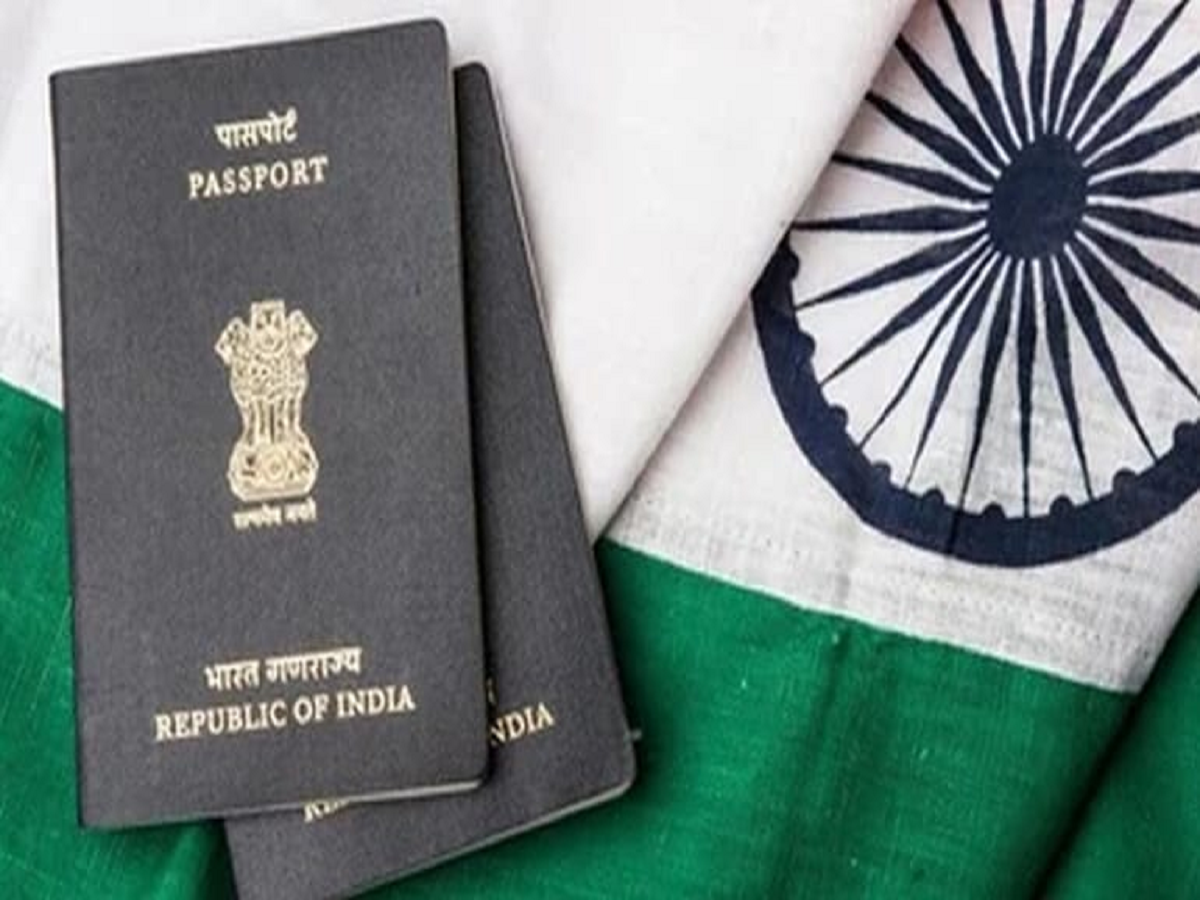
A statement by India's Ministry of External Affairs (MEA) has ignited widespread discussion on social media after it clarified that an Indian passport is primarily a travel document and not the ultimate legal proof of citizenship. The clarification, issued during Passport Seva Divas, has prompted many people to ask an important question: If a passport, Aadhaar card, and Voter ID are not considered conclusive proof of citizenship, what document actually establishes that a person is an Indian citizen?
The issue quickly gained traction across social media platforms, with users expressing confusion over the legal distinction between identity, residence, and citizenship. Many pointed out that passports are issued only after extensive document verification and police checks, raising doubts about why they are not regarded as definitive citizenship certificates.
Why the MEA Made This Clarification
According to the Ministry of External Affairs, the principal purpose of an Indian passport is to facilitate international travel. While authorities verify an applicant's eligibility before issuing the document, the passport itself is legally categorized as a travel document rather than a formal certificate of citizenship.
Legal experts explain that in India, identity, residential status, and citizenship are three separate legal concepts. Although these terms often overlap in everyday life, each serves a different purpose under Indian law. This distinction is the primary reason why documents commonly used for identification cannot always be treated as final proof of citizenship.
Social Media Users Raise Questions
Following the ministry's clarification, social media users questioned how a passport can mention "Indian" as the holder's nationality if it is not considered conclusive proof of citizenship.
One user asked why a passport, which is issued only after police verification and extensive documentation, cannot be accepted as proof of Indian citizenship. Another questioned what evidence authorities rely on before printing "Indian" under the nationality section of the passport.
Several users also highlighted that Aadhaar and Voter ID cards have similarly been described by courts as identity documents rather than definitive proof of citizenship, leading to further confusion among the public.
Some reactions were sarcastic, with users joking that proving citizenship had become increasingly complicated despite possessing multiple government-issued documents.
Courts Have Previously Made Similar Observations
The ongoing debate is not entirely new. Indian courts have repeatedly distinguished between documents used for identification and those that legally establish citizenship.
The Supreme Court has previously observed that the Aadhaar card primarily serves as a proof of identity and does not independently establish citizenship. Likewise, the Bombay High Court, while hearing a case involving an alleged Bangladeshi national in 2025, stated that possession of an Aadhaar card or Voter ID alone cannot conclusively determine Indian citizenship.
These judicial observations reinforce the legal position that different government-issued documents serve different purposes under the law.
What Does an Indian Passport Actually Represent?
Many people have also pointed out that every Indian passport clearly states that it is the property of the Government of India and may be withdrawn by the government under applicable laws.
Experts note that citizenship verification is indeed part of the passport issuance process. However, the passport's legal function remains facilitating international travel and establishing the holder's identity while travelling abroad, rather than acting as a standalone citizenship certificate.
How Is Indian Citizenship Established?
India does not issue a universal "Citizenship Card" that automatically serves as proof of nationality. Instead, citizenship is determined under the provisions of the Citizenship Act, 1955, along with related rules and supporting legal evidence.
Depending on an individual's circumstances, authorities may consider several documents while determining citizenship, including:
- Birth certificate
- Documents establishing the citizenship of parents
- Citizenship certificate obtained through registration or naturalization, where applicable
- Government records and other legally recognized documents
Ultimately, the competent authority or a court examines all available evidence before arriving at a final decision regarding citizenship.
Government Expanding e-Passport Services
Alongside the clarification, the Ministry of External Affairs also highlighted its ongoing efforts to modernize India's passport system through the nationwide rollout of e-Passports.
These next-generation passports contain embedded electronic chips that comply with international security standards. The government says the new system offers stronger security features, improved authentication, faster verification, and seamless integration with digital platforms such as DigiLocker.
Officials believe the expansion of e-Passports will make passport services more efficient, transparent, secure, and convenient for Indian citizens while enhancing international travel standards.
Conclusion
The MEA's statement has renewed public interest in understanding the legal meaning of citizenship and the role of government-issued documents. While a passport remains one of the country's most trusted identity and travel documents, Indian law differentiates between documents used for identification and those used to establish citizenship. The discussion has also highlighted the need for greater public awareness about how citizenship is determined under existing legal provisions.