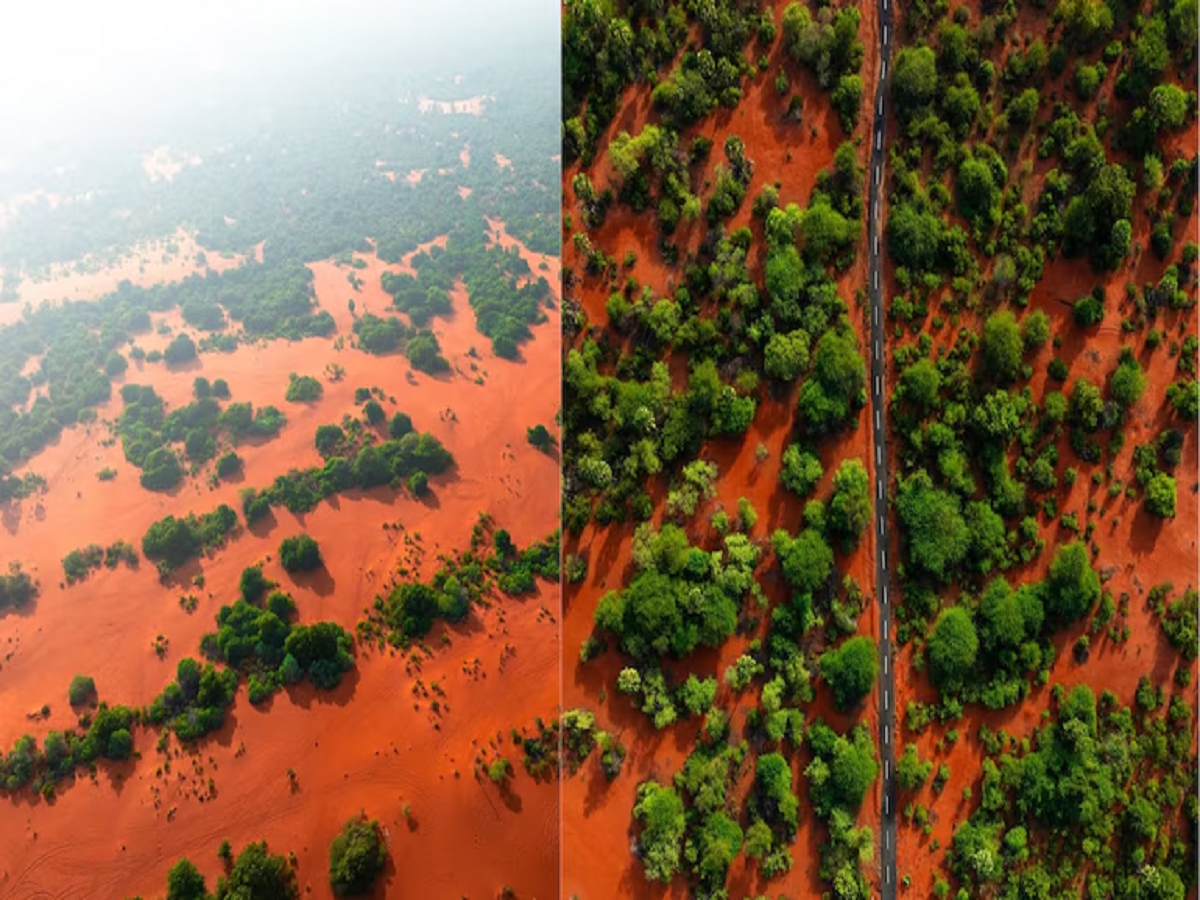
When people think of deserts in India, the golden sand dunes of Rajasthan usually come to mind first. But far away in southern India lies a breathtaking natural wonder that looks completely different from the typical desert landscape.
Located in the Thoothukudi district of Tamil Nadu, the mysterious “Theri Kaadu” is known as South India’s only red desert. With its deep crimson sand dunes, swaying palm trees, freshwater springs, and ancient geological history, this unique destination has become one of the most fascinating offbeat travel spots in the country.
Scientists believe the desert is nearly 100,000 years old, making it not only visually stunning but also extremely important from a geological and environmental perspective.
A Desert Painted in Shades of Red
Spread across parts of Thoothukudi and Tirunelveli districts, Theri Kaadu covers nearly 12,000 acres of land.
What makes this desert extraordinary is its striking red sand. Unlike the golden deserts found in western India, the sand here carries a rich reddish hue that creates a surreal, almost cinematic landscape.
According to scientists, the red color comes from the high concentration of iron oxide present in the soil and sand. Over thousands of years, strong winds continuously shaped and reshaped the dunes, creating towering sand formations that still shift slowly with time.
This constantly moving sand is one of the reasons geologists consider the desert “living” in nature.
A Rare Ecosystem Inside a Desert
Most deserts are associated with dryness, harsh climates, and barren landscapes. But Theri Kaadu surprises visitors with something completely unexpected—freshwater springs.
Despite being a desert region, several areas within Theri Kaadu contain naturally occurring freshwater sources. These water reserves have helped create a surprisingly rich ecosystem in the middle of the sandy terrain.
Palm trees are commonly found across the landscape, adding a tropical contrast to the red dunes. The region is also home to several rare plant species and wildlife adapted to the unusual environment.
Experts say the combination of desert conditions and freshwater availability makes Theri Kaadu ecologically unique in India.
Farming Challenges and Local Adaptation
Agriculture in the region remains difficult because the sandy soil absorbs water extremely quickly.
Traditional crops such as rice are difficult to cultivate in these conditions. However, local communities have adapted to the environment over generations.
Farmers in the area largely depend on native tree species and palm cultivation, which are better suited to the desert-like conditions.
This balance between humans and nature has helped preserve the ecological identity of the region for decades.
A Geological Mystery Linked to the Sea
Geologists believe Theri Kaadu was once submerged under the sea thousands of years ago.
Over time, changing sea levels and coastal shifts caused the water to recede. Strong winds later reshaped the exposed sediments into the red dunes visible today.
The desert’s continuously shifting sand formations provide researchers with valuable insights into:
- Climate change
- Coastal evolution
- Desertification patterns
- Wind erosion processes
Because of this, Theri Kaadu is not just a tourist attraction but also an important natural laboratory for scientists studying environmental change.
A Peaceful Offbeat Destination in Tamil Nadu
Tamil Nadu is globally famous for its temples, beaches, and heritage sites. However, Theri Kaadu is slowly emerging as one of the state’s most unique offbeat destinations.
Visitors often describe the experience as surreal, especially during sunrise and sunset, when the red dunes glow dramatically under changing light.
The peaceful atmosphere, unusual landscape, and untouched surroundings offer a completely different experience from crowded tourist hotspots.
Travel enthusiasts, photographers, nature lovers, and geology researchers are increasingly visiting the area to witness its rare beauty firsthand.
Conservation Concerns Growing
Despite its ecological importance, environmentalists warn that Theri Kaadu faces growing threats from unplanned development and pollution.
Increasing tourism activity, waste disposal, and construction pressure could damage the fragile desert ecosystem if proper conservation measures are not implemented.
Experts say preserving the region is crucial because once the natural sand movement and ecosystem are disturbed, restoring them may become extremely difficult.
Conservationists are now urging authorities and visitors to adopt sustainable tourism practices to protect this rare natural heritage.
Why Theri Kaadu Is So Special
Theri Kaadu stands out because it combines features rarely seen together:
- Ancient red sand dunes
- Freshwater springs inside a desert
- Palm-filled landscapes
- Dynamic shifting sands
- Rich geological history
- Unique biodiversity
Few places in India offer such a striking mix of science, nature, and visual beauty in a single destination.
For travelers looking beyond mainstream tourist attractions, this hidden red desert in Tamil Nadu offers an unforgettable experience that feels almost unreal.
And once you see the crimson dunes stretching beneath the southern sky, you may truly understand why visitors often describe Theri Kaadu with just one word — “Wow.”