NEWS
How does a fan's power consumption change with the rotation of the regulator? Learn about technology.
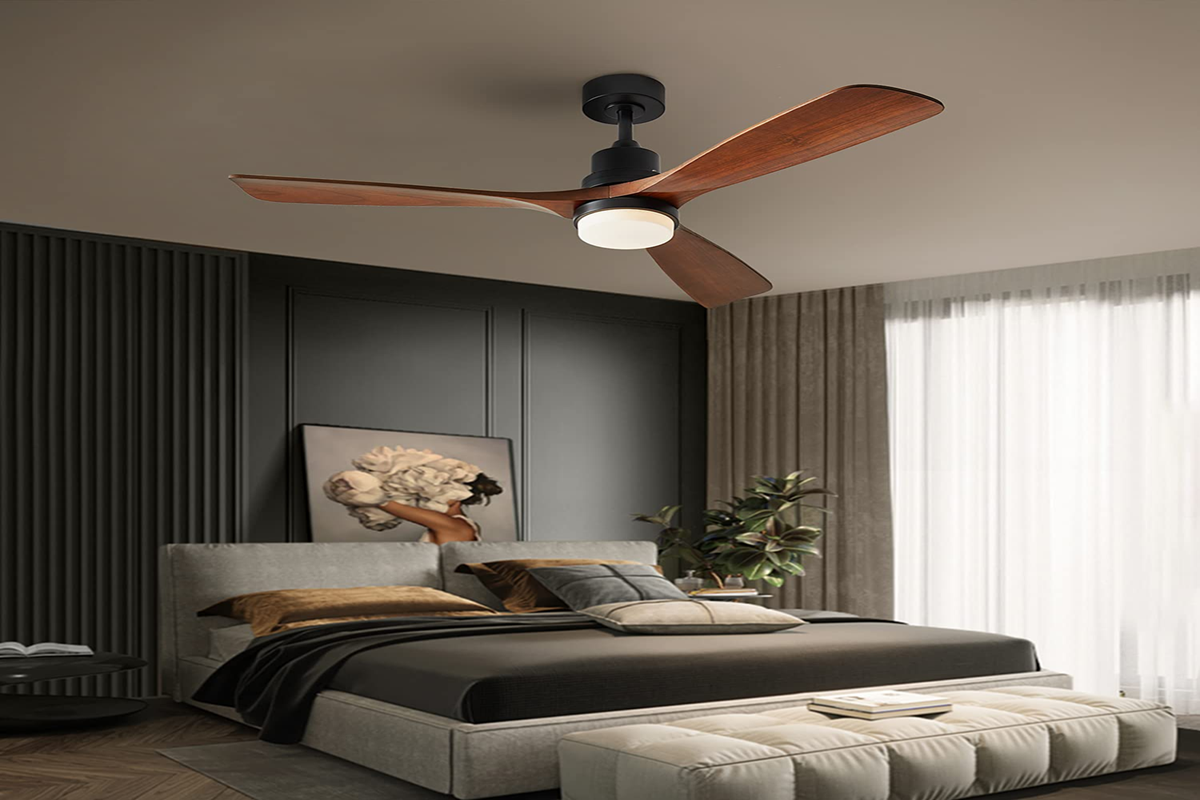
People often question whether lowering the fan speed regulator reduces their electricity bill. Learn how changing the fan speed affects power consumption and which technologies are most effective in saving electricity.
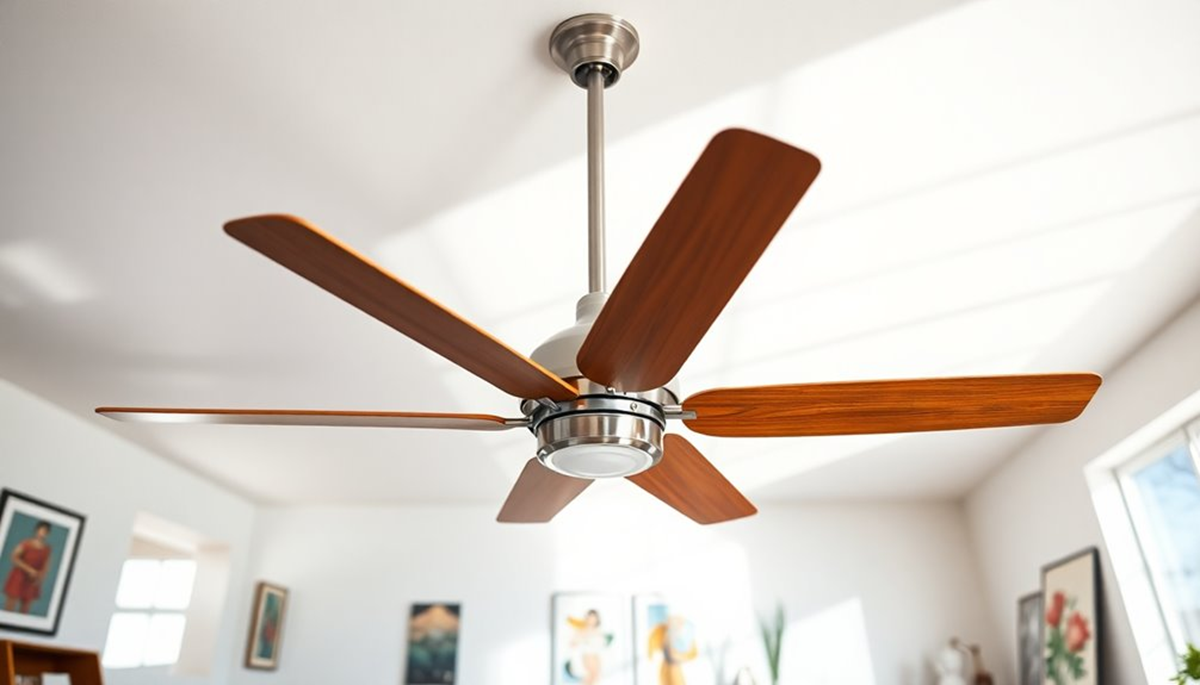
Power consumption of ceiling fan
Adjusting the fan speed is a daily habit during hot and humid days. We increase the regulator speed to require a strong breeze, and decrease it for a lighter breeze. This often raises the question: does running the fan at a slower speed reduce electricity bills? The answer depends not only on the fan speed but also on the technology behind the motor and regulator.
Different types of regulators control power consumption differently. Therefore, simply reducing the fan speed isn't enough; it's also important to understand the technology your fan uses and how changing the speed affects its power consumption. So, let's explore how fan power consumption changes as you turn the regulator.
How does the fan's power consumption change as you turn the regulator?
A fan's power consumption depends on its motor, regulator, and operating speed. Typically, at higher speeds, the motor consumes more power, while at lower speeds, consumption may decrease, although this variation also depends on the type of motor and regulator. Older regulators may dissipate excess electrical energy as heat. Capacitive regulators, in use today, reduce power consumption by controlling voltage.
What is the difference between the old and new regulator?
Older resistive regulators convert excess electrical energy into heat. This can result in high power consumption even when the fan speed is reduced. For example, a 75-watt fan with this type of regulator can draw almost full power even at low speeds. Capacitive regulators are better at reducing power consumption. A 75-watt fan with this type of regulator may consume approximately 40 watts at medium speed and approximately 20 watts at low speeds.
How do fans with BLDC motors save electricity?
BLDC motors used in fans offer better power control. Electronic circuits help maintain precise speed control. This ensures a consistent fan speed and airflow even during voltage fluctuations. A typical BLDC fan can consume approximately 35 watts at high speed, 15 watts at medium speed, and only 5 watts at low speed, although consumption may vary depending on the fan model.