In Yemen, the Houthis have been accused of using AI to imitate Tarek Saleh's voice and spread fake orders to troops to retreat. Learn about the impact of the Houthi advance on Mocha and Bab al-Mandab.
Fake orders in the voice of Tarek Saleh
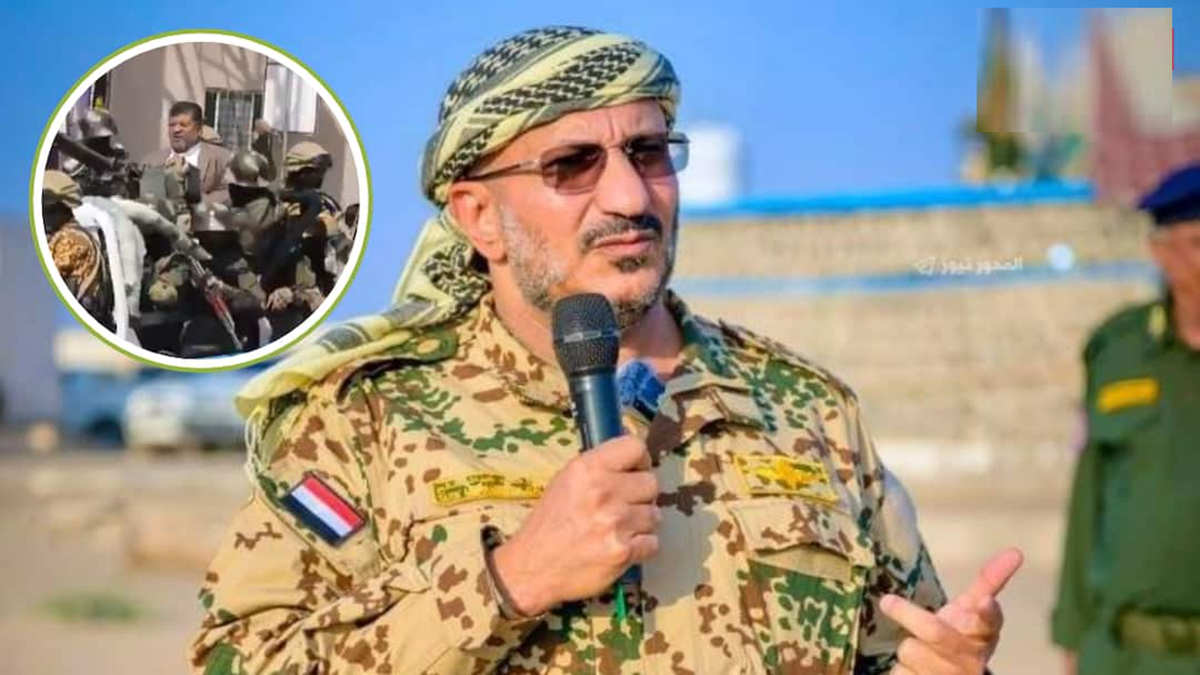
Amid the rapid military advance of Houthi fighters in Yemen, an alleged audio recording has sparked a new controversy. The UAE-backed National Resistance Forces allege that the Houthis, using artificial intelligence, imitated the voice of its commander, Lieutenant General Tarek Saleh, and issued a fake order to troops to retreat. The audio recording surfaced as Houthi fighters were rapidly advancing toward government-backed forces' positions on Yemen's western coast.
According to reports, a viral recording appears to have a voice resembling Tarek Saleh's, instructing troops to withdraw from the Mocha area. The National Resistance Forces' military media later dismissed the recording as fake, claiming that the Houthis used AI to create Saleh's voice to create confusion and weaken morale among the troops.
There is also a claim of a message asking soldiers to surrender.
In addition to this alleged audio, there are also reports of messages reaching soldiers offering amnesty to those who surrender their weapons and return home. It is suggested that these messages may have been intended to convince government-backed troops that the situation on the front has turned against them and that continuing the fight is difficult. However, there has been no independent confirmation of how many soldiers were actually affected by these messages or the extent of the fake audio's impact on the battlefield. Therefore, it is difficult to say how much of this alleged psychological campaign played a role in the Houthi military gains.
After capturing Mocha, the Houthis advanced towards Bab al-Mandab.
This incident came to light after Houthi fighters captured the important Red Sea port city of Mocha in Yemen, forcing government-backed forces to retreat. Tarek Saleh described this as a strategic withdrawal to regroup troops rather than a complete defeat. According to Reuters, the Houthi advance has been aided by Iranian arms and advice, along with links to Iran's Islamic Revolutionary Guard Corps, although Iran denies directly carrying out military operations.
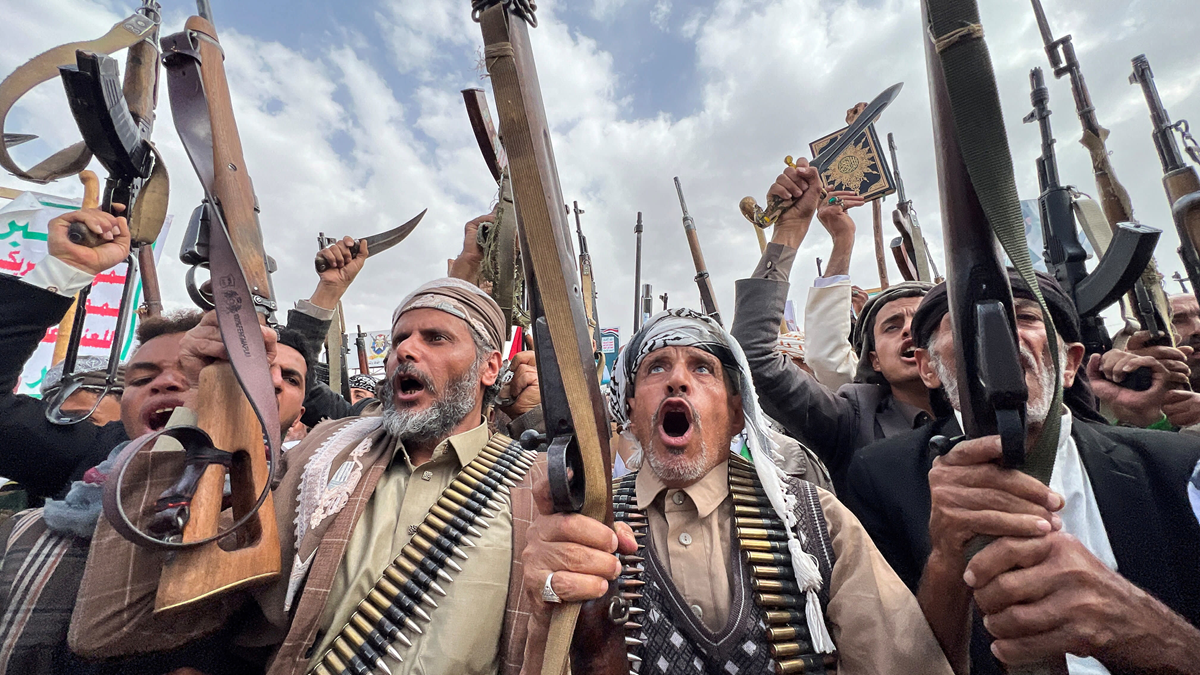
Following the capture of Mocha, Houthi fighters advanced towards Dhubab and Bab al-Mandab. They also gained control of Mayun (Perim Island) and the Hanish Islands. According to the AP, the strengthening of these areas has further strengthened the Houthi position near this crucial Red Sea sea route.
Why is Bab al-Mandab so important?
The Bab al-Mandab Strait connects the Red Sea to the Gulf of Aden. Ships transit through it to the Suez Canal and remains a vital route for maritime trade between Asia and Europe. The Houthi advance in this region is a cause for concern worldwide, as maritime trade has already been affected by attacks and regional tensions in the Red Sea. Increasing instability in the Red Sea and Bab al-Mandab could directly impact the transportation of oil and other goods. Reuters has also linked the Houthi advance to a growing risk to global trade and energy supplies.
Who is Tarek Saleh?
Lieutenant General Tarek Saleh is the nephew of former Yemeni President Ali Abdullah Saleh. He leads the National Resistance Forces, one of the main factions fighting against the Houthis in Yemen. Mocha has long been a key military base for his forces. Therefore, the Houthi capture of the city is considered a major blow to pro-government forces, both strategically and politically.
The threat of a major war in Yemen has increased again.
Following the 2022 ceasefire, there was a period of relative calm on Yemen's main battle lines. However, the recent Houthi offensive has altered that situation. The Houthi advance from Mocha to Bab al-Mandab has brought Yemen's conflict into a new phase. According to Reuters and other international reports, this development could escalate tensions between regional powers and put pressure on maritime trade and oil supplies.