NEWS
Hormuz turmoil! Insurance for cargo ships is now 10 times more expensive, and the money will be collected from your own pocket.
Hormuz Strait Crisis: The rising tensions in the Middle East are now having an impact on maritime trade, with ship insurance becoming more expensive and posing new challenges for shipping companies.
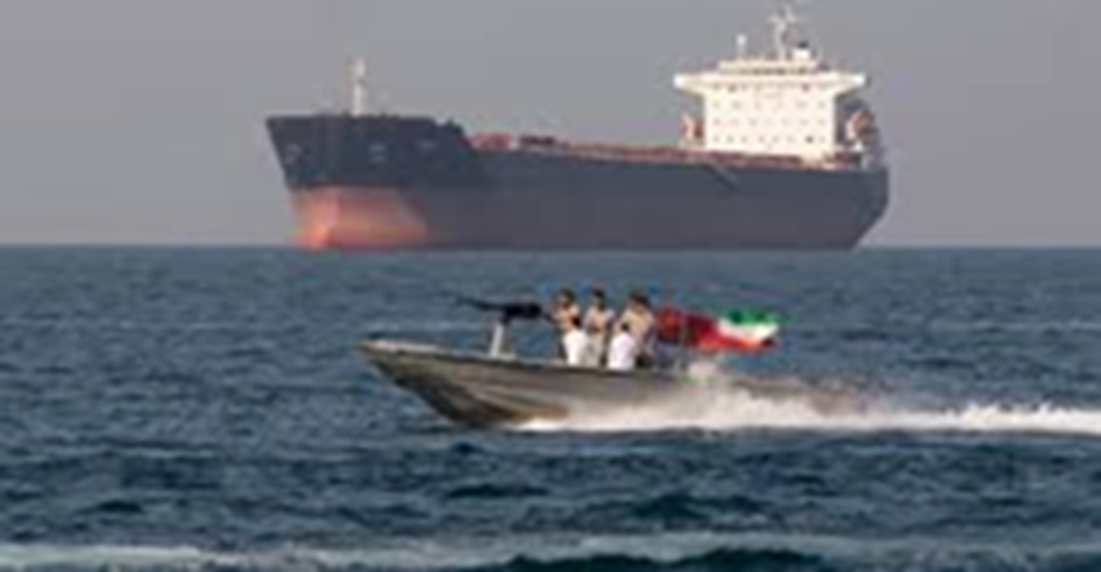
Shipping insurance becomes more expensive amid Middle East tensions.
Shipping Insurance Cost Rise: The ongoing tensions in the Middle East are now affecting maritime trade. Insuring ships has become more expensive in many areas. Some insurance companies are even reluctant to provide coverage due to the risk, which is impacting shipping activities.
This time, the situation seems a little different. The Strait of Hormuz is no longer just a problem with the oil route. Insurance costs themselves are becoming a significant problem. In particular, war-risk premiums for ships transiting the Strait of Hormuz have risen from around 0.2–0.25 percent to 1 percent or more. This is a rapid increase in operating costs. Let's explore this topic.
Expensive insurance increases shipping challenge'slarge oil tanker costs approximately ₹1,500 crore to ₹2,500 crore. A 1% difference in insurance rates can increase the cost by several crores of rupees for just one trip, impacting the overall cost.
Rising operational costs for companies
A significant portion of global oil flows through the Strait of Hormuz. Consequently, many companies are choosing the safer route, traveling via Africa. This is adding 10–15 days to the shipping time, increasing fuel and operational costs. In some cases, insurance companies are even refusing to cover the issue.
Difficulties increased due to a lack of insurances to a Reuters report, marine insurance companies in some parts of the Gulf region are now refusing to provide war-risk cover to ships. This poses a serious challenge to shipping companies, as ships cannot operate without insurance.
Insurance is essential for cargo financing, port entry, or contract fulfilment. This poses a challenge for shipowners. They are left with two options: either purchase insurance at a high premium or avoid operating on risky routes.