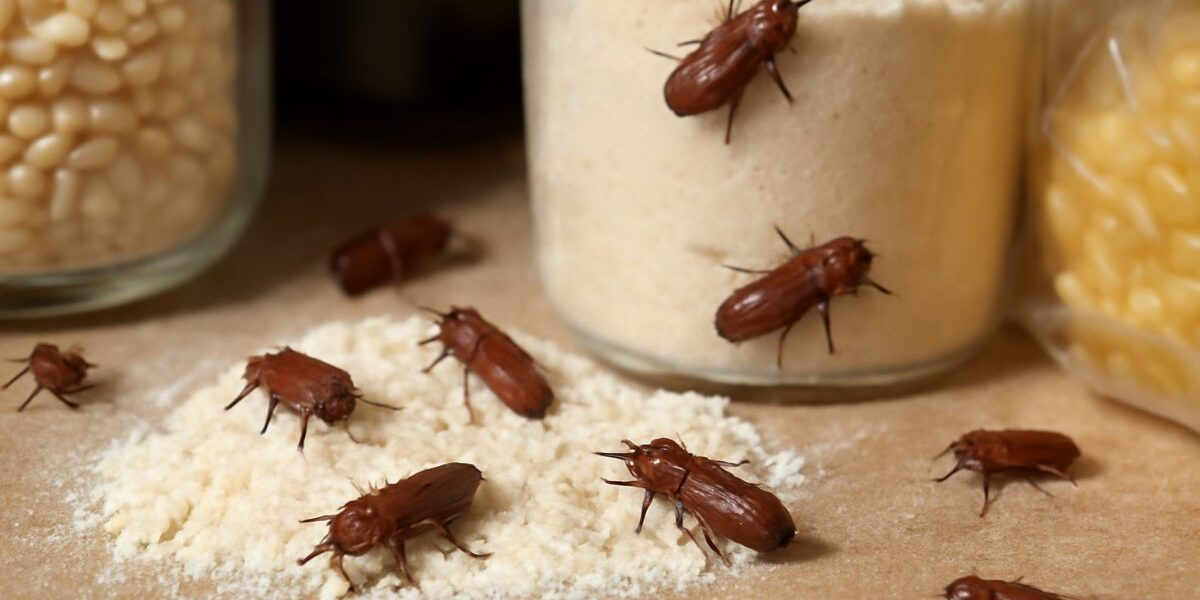
How to Prevent Pantry Pests: These insects can even infest the cleanest kitchens. Sometimes, their eggs or larvae are already present in food packages. Let's explain how to get rid of them.
How to prevent insects and moths from entering flour?
Pantry Pests and Flour Weevils Prevention Tips: When you open a container of flour to make something in the kitchen and see tiny insects swarming around, the first thought that comes to mind is whether the flour has gone bad. Sometimes, tiny insects or their larvae can actually be seen in the flour. But this doesn't necessarily mean your home is dirty or that you didn't store the flour properly.
In fact, flour and other dry foods can be infested with insects known as pantry pests. These insects can even reach the cleanest kitchens. Sometimes, their eggs or larvae are already present in food packages, and their numbers begin to multiply after the product is purchased and brought home. According to experts, in addition to flour, these insects can also be found in items like semolina, gram flour, cornmeal, oats, rice, lentils, grains, pasta, cereals, spices, nuts, dried fruits, biscuits, cake mixes, chocolate, and pet food. Therefore, if insects are seen in one package, other nearby items should also be checked.
What are these tiny insects seen in flour?
There are generally two types of pests found in pantries. These include small beetles and moths. Flour beetles can range from reddish-brown to black and are quite small. On the other hand, if you see small white or cream-colored insects crawling around the flour, these could be moth larvae.
Sometimes, in addition to moth larvae, their sticky web-like structures are also visible. These webs can be found in the corners of cans, packages, shelves, or cabinets. In some cases, the larger insects are not visible, but their eggs or larvae may be present in the food.
What should you do first if you see worms in flour?
First, separate the flour that has seen insects. If insects, larvae, or cobwebs are clearly visible, it's best to seal it tightly in a bag and throw it in the trash bin outside the house instead of using it. Don't stop at just cleaning that container. Carefully inspect all packages and containers around the area where the flour was stored. Be sure to check rice, lentils, semolina, spices, pasta, biscuits, and other dry goods for insects, larvae, or cobwebs. Don't neglect other kitchen shelves and spice areas. Pantry pests can spread from one food item to another, so it's important to inspect the entire storage area.
Next, thoroughly vacuum the shelves, cabinet corners, and crevices. Small particles of flour or grain can accumulate, especially where shelves meet walls. Some insects may also lay eggs in these areas. If you notice any sticky webs or insect shells, remove them and dispose of them immediately. Simply dusting them over with a cloth won't completely eliminate the problem.
Just keeping bay leaves will not solve the problem.
When insects appear in flour, many people resort to using bay leaves, lemon oil, or other home remedies. However, there is no scientific evidence to support the effectiveness of these remedies. Therefore, it is more important to first identify the source of the infestation rather than trying to clean it by adding household items to the infected flour. After cleaning, re-inspect the kitchen after about two weeks. If insects persist despite several weeks of cleaning and inspection, it is best to seek the help of a pest control professional.
What should be done to prevent insects from appearing in flour in future?
It's best to store flour, grains, and other dry foods in airtight containers rather than in their loose packaging. Glass jars or tightly sealed containers are ideal. When purchasing, carefully examine packaging. Avoid torn, open, or damaged packages. Use old flour and grains first, and if possible, use the refrigerator or freezer to preserve certain foods, such as flour, for longer periods. Spilled flour, rice, or other grains in the kitchen should be cleaned up immediately. Periodic cleaning and vacuuming of shelves and corners is also essential.