From Messi’s Argentina to Spain’s Historic Triumph, Here’s How the Recent World Cup Winners Made History
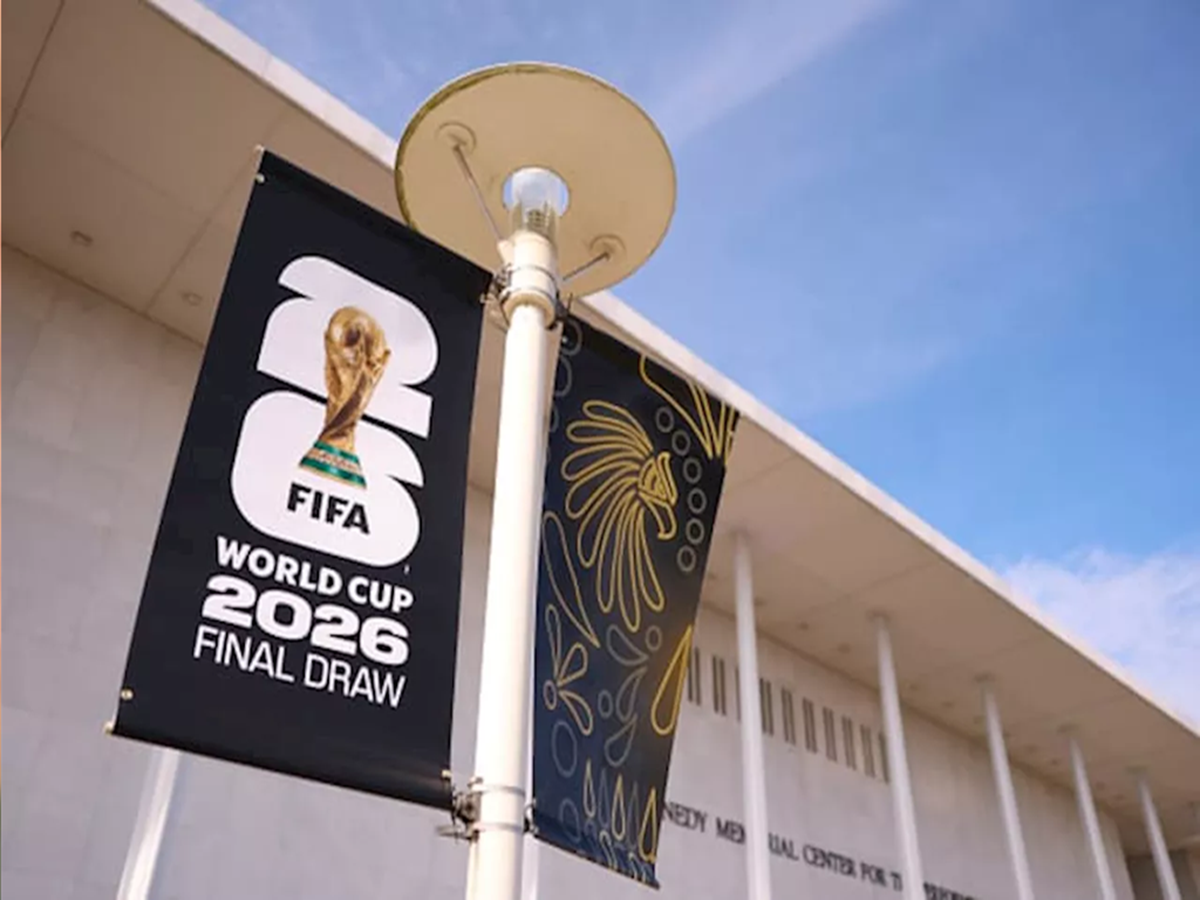
The countdown to the 2026 FIFA World Cup is well underway, with football fans around the globe eagerly awaiting the biggest tournament in the sport. The upcoming edition will be jointly hosted by the United States, Canada, and Mexico and will feature an expanded field of 48 teams competing for football’s most prestigious trophy.
Before the action kicks off, it's worth revisiting the stories of the last five FIFA World Cup champions—teams that etched their names into football history through unforgettable performances, iconic moments, and championship-winning campaigns.
2022: Argentina Completes a Fairytale Journey
The most recent FIFA World Cup produced one of the greatest finals in football history.
Held in Qatar, the 2022 tournament ended with Argentina lifting the trophy after defeating France in a dramatic penalty shootout. The match ended 3-3 after extra time before Argentina prevailed from the spot.
The victory was particularly special because it delivered the first World Cup title for Lionel Messi, widely regarded as one of the greatest footballers of all time.
It marked Argentina's third World Cup triumph, adding to its previous titles won in 1978 and 1986. The victory also cemented Messi's legacy by completing the one major achievement that had previously eluded him.
2018: France Announces a New Golden Generation
At the 2018 FIFA World Cup in Russia, France showcased a blend of youth, talent, and tactical discipline to capture its second world title.
The French side defeated Croatia 4-2 in the final, producing an impressive attacking display on the biggest stage.
Led by captain Hugo Lloris, France demonstrated consistency throughout the tournament and emerged as one of the most balanced teams in world football.
The triumph added a second star to France's jersey, following its first World Cup victory in 1998. Since then, France has remained among the strongest and most competitive national teams globally.
2014: Germany's Extra-Time Masterpiece
The 2014 FIFA World Cup in Brazil delivered a memorable conclusion when Germany defeated Argentina 1-0 after extra time in the final.
With the match appearing destined for penalties, substitute Mario Götze scored a stunning goal in the 113th minute to secure victory for Germany.
The triumph represented Germany's fourth World Cup title and capped off a remarkable era for the national team.
Germany's disciplined style, technical quality, and squad depth made them one of the most dominant teams of the tournament, and their victory remains one of the country's greatest sporting achievements.
2010: Spain Creates History in South Africa
The 2010 FIFA World Cup marked a historic milestone for Spain.
After years of underachievement at major tournaments, Spain finally captured its first World Cup title by defeating the Netherlands 1-0 in the final.
The decisive moment came in the 116th minute when Andrés Iniesta scored the winning goal, sending Spanish fans into celebration.
Spain's victory was built on its famous possession-based style of football, often referred to as "tiki-taka." The team dominated international football during that era, winning multiple major tournaments and setting new standards for technical excellence.
Their 2010 World Cup triumph remains one of the defining achievements in Spanish sporting history.
2006: Italy Triumphs in a Dramatic Final
The 2006 FIFA World Cup in Germany ended with one of the most dramatic finals ever witnessed.
Italy and France were locked at 1-1 after extra time, forcing the championship to be decided through a penalty shootout.
Italy held its nerve and secured a 5-3 victory on penalties, earning its fourth World Cup title.
The tournament is remembered not only for Italy's defensive brilliance but also for the unforgettable moments that unfolded during the final.
Interestingly, despite being one of football's most successful nations, Italy later endured a difficult period and failed to qualify for the 2018 and 2022 FIFA World Cups. The team also missed out on qualification for the 2026 tournament, making its absence one of the biggest surprises in international football.
The Road to FIFA World Cup 2026
As the world prepares for the first 48-team FIFA World Cup, expectations are high for another memorable tournament. With traditional powerhouses, emerging contenders, and football's biggest stars set to compete, the 2026 edition promises to add a new chapter to the sport's rich history.
Whether the next champion is a familiar giant or a surprise contender, they will join an elite list that includes Argentina, France, Germany, Spain, and Italy—the last five teams to lift football's most coveted prize before the road leads to North America in 2026.