NEWS
Facebook May Open With Full-Screen Videos Soon: Meta Plans a Major Change to Its App Experience
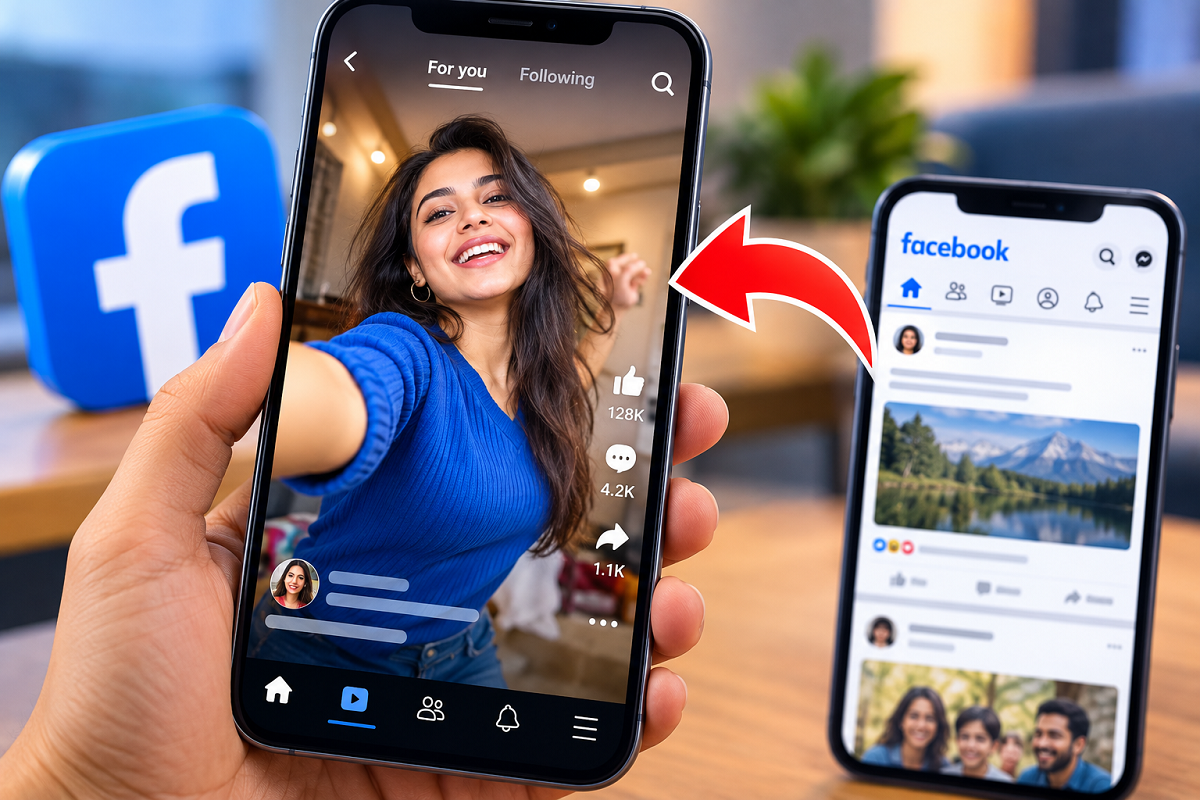
Facebook Update 2026: Facebook users could soon notice a major difference when launching the popular social media application. Instead of immediately seeing the familiar news feed filled with photos, text updates, and posts from friends, some users may be greeted by full-screen videos. Meta is preparing to experiment with a new video-focused interface that could change how people discover and interact with content on Facebook.
The proposed experience is expected to enter limited testing later in 2026. Rather than introducing the redesign to everyone simultaneously, Meta plans to make it available to a selected group of users initially.
The development reflects Facebook's growing emphasis on video entertainment, content discovery, and immersive viewing experiences. However, the company is not planning to eliminate the traditional Facebook feed entirely.
Facebook Could Introduce a Video-First Home Screen
Facebook has traditionally allowed users to browse a combination of photographs, written posts, news updates, videos, and other content through its main feed.
However, the platform may soon offer a different starting experience for people who prefer watching videos.
According to details shared by Tom Alison, who leads Facebook at Meta, the company is working on an alternative interface designed specifically for video-oriented users.
Under the proposed arrangement, selected participants could see videos occupying their entire smartphone screen immediately after opening Facebook.
This approach would make video content the primary attraction rather than requiring users to scroll through the regular feed to find something to watch.
The design could also make it easier to discover Facebook Reels and other video formats without navigating through multiple sections of the application.
When Will Facebook's New Full-Screen Video Feature Arrive?
Meta is reportedly preparing to begin testing the video-first experience toward the end of 2026.
However, the initial experiment is expected to involve only a limited number of users.
This means Facebook users should not assume that their application will automatically switch to the new interface immediately.
The availability of the redesigned experience may depend on Meta's testing arrangements, user selection, and the results of the experiment.
The company could also make adjustments to the interface based on feedback and engagement during the testing period.
A confirmed date for a wider public rollout has not been established in the information currently available.
Will Facebook Remove Its Traditional News Feed?
One of the biggest questions surrounding the proposed redesign is whether Facebook intends to replace its familiar feed completely.
The answer, based on the reported testing plans, is no.
Meta intends to preserve access to the traditional Facebook experience through a separate tab for users participating in the experiment.
This means people who enjoy reading updates from friends, checking community discussions, viewing photographs, or browsing regular posts should still have a way to access that content.
The new interface is therefore better understood as an additional browsing experience rather than a complete removal of Facebook's existing features.
Users involved in the test may be able to move between the full-screen video interface and the conventional feed according to their preferences.
This distinction is important because Facebook continues to serve people with different interests and browsing habits.
Why Is Meta Giving Videos More Importance?
The growing popularity of short-form videos has influenced how social media companies design their platforms.
Many users now prefer watching entertaining clips, educational videos, tutorials, and creator content instead of spending most of their time reading traditional social media posts.
Meta appears to be responding to these changing viewing habits by exploring ways to make video content more prominent.
Facebook videos are no longer limited to entertainment. They also help people discover products, learn new skills, connect with creators, and participate in online communities.
For example, users frequently watch cooking demonstrations, technology reviews, travel videos, lifestyle content, and educational clips.
Businesses also use video content to introduce products, demonstrate services, and reach potential customers.
A more immersive viewing experience could make this type of content easier to discover and consume.
What Could Change for Facebook Reels and Content Creators?
If Meta eventually expands the video-first interface, the development could create new opportunities for people who regularly publish video content.
Creators producing Facebook Reels, tutorials, entertainment clips, and other engaging videos may benefit from a browsing environment where visual content receives greater attention.
Businesses and digital publishers could also explore new ways to reach audiences through video storytelling.
However, increased visibility is not guaranteed.
The performance of individual videos would still depend on factors such as audience interest, content quality, recommendation systems, and user engagement.
Meta has not confirmed that the proposed interface will automatically increase reach or earnings for creators.
Nevertheless, the experiment suggests that video will continue to play an important role in Facebook's future development.
How Could the New Facebook Interface Affect Regular Users?
For everyday Facebook users, the most noticeable difference could be the way the application opens.
Instead of beginning with a mixed feed, selected users may enter a viewing environment focused primarily on videos.
This could make Facebook feel more immersive for people who frequently watch Reels and other video content.
At the same time, users who prefer written posts and updates from friends may continue using the classic feed through the separate navigation option planned for the test.
The redesigned experience could therefore offer greater flexibility by allowing different types of users to access content in ways that suit their interests.
However, the final appearance and functionality of the interface may change as testing progresses.
Is Facebook Becoming a Video-Only Platform?
Although Meta is exploring a stronger video-focused experience, there is no indication in the reported plans that Facebook will completely abandon photographs, written posts, groups, or other traditional features.
Facebook remains a platform where people communicate with friends, participate in communities, follow public pages, and share different types of content.
The proposed video-first interface appears intended to expand how users experience the platform rather than restrict everyone to watching videos.
This means the familiar Facebook experience is expected to remain relevant even if Meta introduces new viewing options.
What Should Facebook Users Expect Next?
For now, Facebook's full-screen video opening experience remains a planned experiment rather than a confirmed platform-wide update.
Meta is expected to test the interface with a smaller audience before deciding whether to expand it.
Users who are not selected for the experiment may notice no immediate changes to their Facebook home screen.
The coming months could provide more clarity about how the redesigned interface works, whether users will be able to customize their preferred opening experience, and when broader availability might begin.
The Bottom Line: Facebook could soon look considerably different for users who enjoy watching videos. Meta's planned full-screen video experiment may offer a faster and more immersive way to discover content while keeping the classic Facebook feed accessible. For now, the redesign remains in the testing stage, and a universal rollout has not been confirmed.