LIFESTYLE
Exercising During Periods: Gyaneshwari lifted 111 kg even during her periods; this is how to maintain your energy
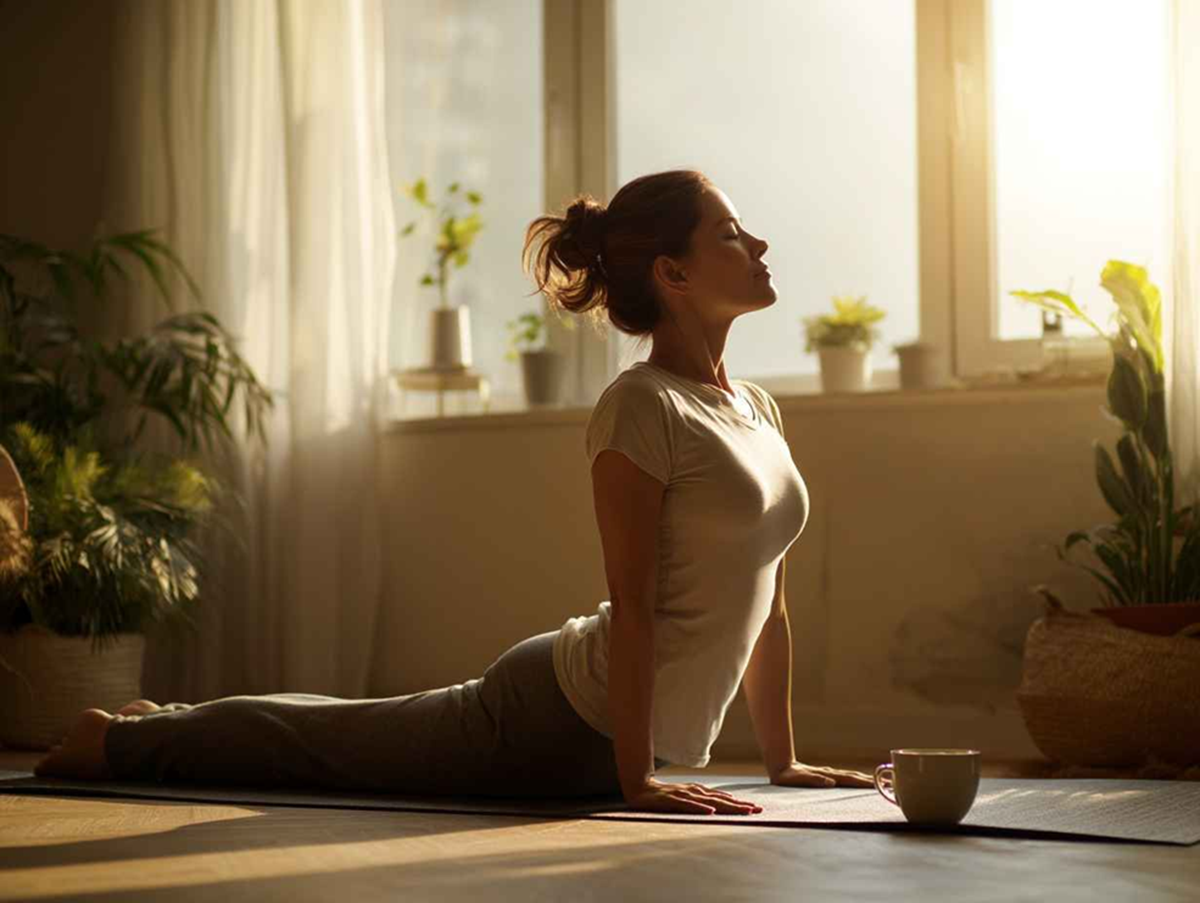
Menstrual Health: Indian weightlifter Gyaneshwari Yadav won the silver medal in the women's 53 kg weight category with a stellar performance. But her victory was more talked about than her own.
Period Impact On Women Sports Performance: Indian weightlifter Gyaneshwari Yadav won the silver medal in the women's 53 kg weight category at the Commonwealth Games, performing brilliantly. But more than her victory, what was discussed was what she said openly in front of everyone after the competition. After winning the medal, Gyaneshwari said that the day of the competition was the first day of her period. She said, 'Today was the first day of my periods. I did not know how my body would perform. Still, I tried to give my best. My coach showed confidence in me and gave me the opportunity to lift 111 kg. I had lifted this weight in training, but had never been able to do it in clean and jerk before.'
Her statement quickly went viral on social media, raising the question: can women play to their full potential during their periods? Does strength, stamina, and performance actually decrease during menstruation, or is this just a common misconception?
Every woman's experience is different
Gynecologist and IVF expert Dr. Archana Dhawan Bajaj told The Indian Express that many women experience abdominal pain, fatigue, bloating, and lack of energy during their first few days of menstruation. This can make them feel more tired than usual during exercise or sports. However, this doesn't necessarily mean that every woman's performance will suffer. The doctor explains that scientific research to date has found no concrete evidence that all women experience a similar decline in strength, stamina, or power during their periods.
Many athletes win big matches even during their periods.
Dr. Bajaj says that many of the world's top female athletes train regularly even during their menstruation and perform well in international competitions. However, for women who experience excessive pain, heavy bleeding, or severe discomfort, training and recovery may be more difficult. According to her, every woman's body reacts differently, so a single rule cannot be applied to everyone. It is more beneficial for athletes to adopt individual strategies based on their physical condition and symptoms.
Hormone changes may have an effect
Hormones in the body constantly change during menstruation. These changes can often affect energy, mood, and training capacity. Doctors explain that estrogen gradually increases during the follicular phase after menstruation. During this time, some women feel more energetic than before and experience better recovery after workouts. Meanwhile, due to the increase in progesterone during the luteal phase, some women may experience increased fatigue, increased body temperature, and fatigue during exercise. However, these changes are not the same for every woman. Therefore, it is not scientifically correct to create a training plan based solely on the phases of menstruation.
Understanding body signals is more important than training.
Experts believe that athletes should learn to understand their body's signals. If there is severe pain or fatigue on a particular day, the intensity of training can be reduced. However, when the body feels better, practice can be continued as usual. Good communication between coaches and athletes is also essential so that changes can be made to training, rest, and recovery as needed. The same plan does not work for every athlete.
How to maintain better performance during periods?
According to Dr. Archana Dhawan Bajaj, a proper diet, adequate water, and good recovery can help women perform better even during their periods. She recommends including iron-rich foods like spinach, beans, lentils, fortified cereals, and lean meats in the diet, as iron can be depleted during bleeding. Adequate protein intake is essential for muscle recovery, while carbohydrates help refuel the body. Drinking adequate water throughout the day is also crucial, especially for women who experience heavy bleeding.
Don't ignore the pain
If you experience severe pain or cramps during your period, gentle warm-ups, stretching, heat therapy, and anti-inflammatory medications, as recommended by your doctor, can provide relief. Getting enough sleep and adequate rest are equally important. Doctors also advise that if a woman experiences unbearable pain, excessive bleeding, or irregular periods every month, they should not be ignored as normal. In such cases, it is important to consult a doctor so that any underlying health problems can be treated promptly.