LIFESTYLE
Exam Anxiety Guide: Key Warning Signs and Simple Breathing Techniques to Help Students Stay Calm
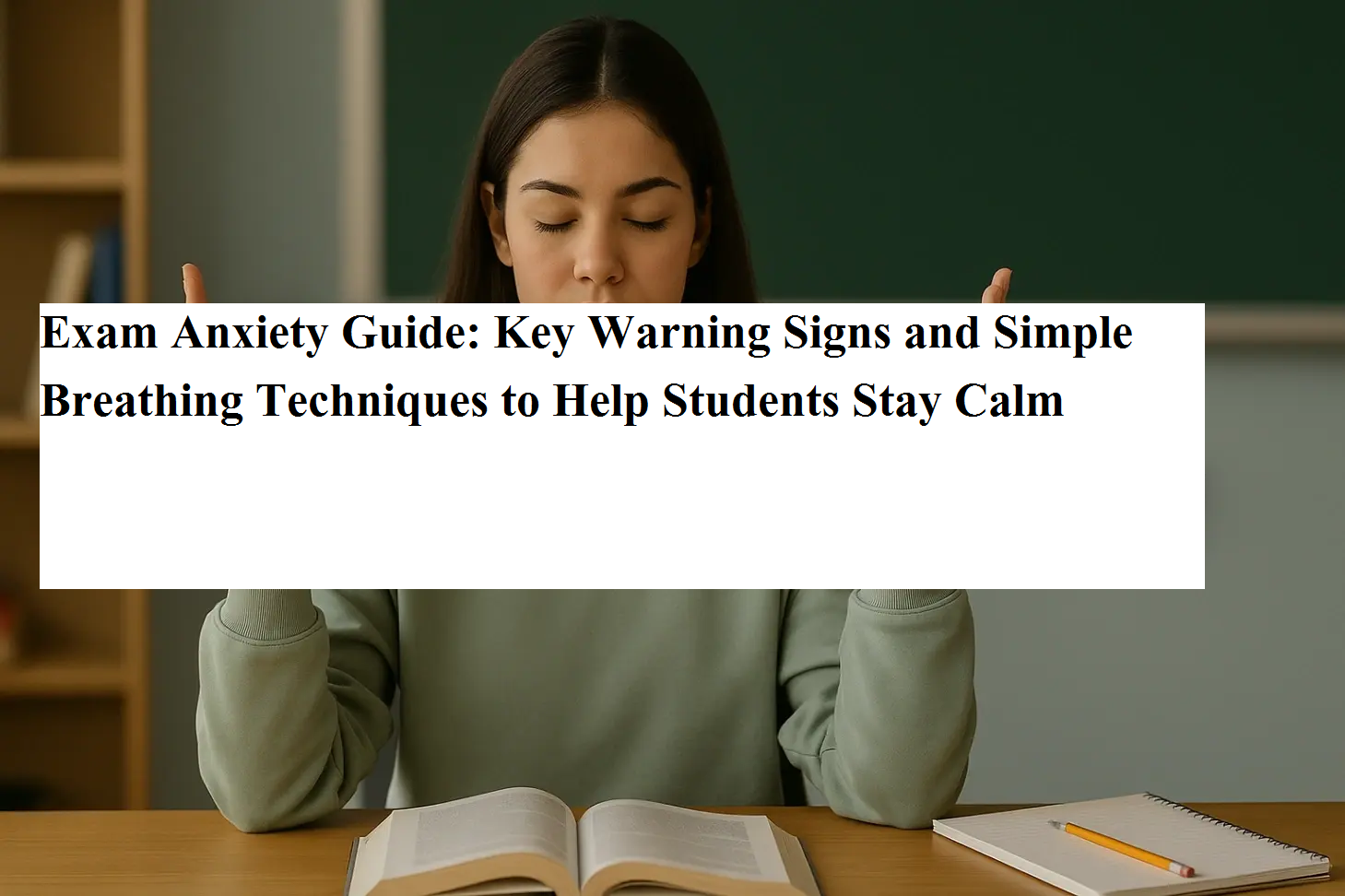
As examination season peaks across schools and colleges, many students discover that the real challenge is not only academic difficulty but also mounting stress and anxiety. While mild nervousness before a test is natural and can even sharpen performance, excessive exam anxiety can disrupt concentration, weaken confidence, and affect emotional stability. Mental health experts warn that unmanaged stress may lead to physical discomfort, negative thinking patterns, and even mental blocks during exams.
According to Dr Kurinji G R, consultant psychiatrist at Kauvery Hospital, understanding the early signs of exam anxiety and practicing simple relaxation methods can significantly improve a student’s ability to cope with pressure. He emphasizes that awareness is the first step toward prevention and effective management.
Recognising the Early Signs of Exam Anxiety
Exam anxiety is not limited to emotional distress; it can affect multiple aspects of a student’s health and behaviour. Experts broadly classify its symptoms into four categories:
1. Physical Symptoms
When stress levels rise, the body activates its “fight-or-flight” response. This can lead to a rapid heartbeat, breathlessness, dizziness, sweating, headaches, nausea, dry mouth, or even a faint feeling. Such symptoms often appear right before exams or while studying under pressure.
2. Emotional Symptoms
Students may feel fear, helplessness, irritability, or sudden mood swings. Some experience crying spells or bursts of nervous laughter. These emotional reactions can distract them from focusing on exam preparation or performance.
3. Behavioural Symptoms
Restlessness, pacing, nail-biting, avoiding study sessions, procrastination, or irritability are common behavioural indicators. In extreme cases, students may turn to unhealthy coping mechanisms such as excessive caffeine intake or other substances.
4. Cognitive Symptoms
Mental signs include negative self-talk, racing thoughts, difficulty organizing tasks, comparing oneself with peers, or the classic “mind going blank” sensation during tests. These symptoms directly affect academic performance and confidence.
Recognizing these warning signs early allows parents, teachers, and students to intervene before anxiety escalates into a serious issue.
Breathing Techniques That Calm the Mind Quickly
Controlled breathing is one of the simplest scientifically supported methods for reducing stress. Slow, rhythmic breathing signals the nervous system to relax, lowers heart rate, and enhances mental clarity. Dr Kurinji recommends several practical techniques students can practice anywhere—even inside an exam hall.
4-2-6 Breathing
Inhale slowly for four seconds, hold the breath for two seconds, then exhale for six seconds. The longer exhale activates the body’s relaxation response and reduces panic sensations.
Box Breathing
This method involves inhaling, holding, exhaling, and holding again for equal counts—usually four seconds each. The steady rhythm interrupts stress cycles and helps restore focus and emotional balance.
Belly (Diaphragmatic) Breathing
Instead of shallow chest breathing, students should focus on expanding their abdomen while inhaling. This increases oxygen flow, relaxes muscles, and lowers tension levels.
Scientific studies show that paced breathing—especially when exhalation lasts longer than inhalation—reduces anxiety markers and improves performance in high-pressure situations.
Daily Habits That Support Stress Control
Breathing exercises work best when combined with healthy routines. Experts recommend limiting caffeine intake, as stimulants can heighten nervousness and disturb sleep. Light physical activity, stretching, and consistent sleep schedules help regulate mood and strengthen resilience.
Parents and teachers also play a vital role. Creating calm study environments, encouraging short relaxation breaks, and openly discussing stress can reassure students that anxiety is manageable and normal.
Why Stress Management Matters as Much as Studying
Exams evaluate knowledge, but emotional balance determines how effectively that knowledge is expressed. Students who learn to regulate anxiety often perform better, retain information more efficiently, and maintain stronger mental wellbeing throughout their academic journey.
By identifying symptoms early and practicing simple breathing techniques, students can transform exam pressure from a source of fear into a manageable challenge—equipping themselves not only for tests, but for future high-pressure situations in life.