NEWS
Don't Throw Away These 4 Old Documents: You May Need Them Years Later for Jobs, Property or Verification
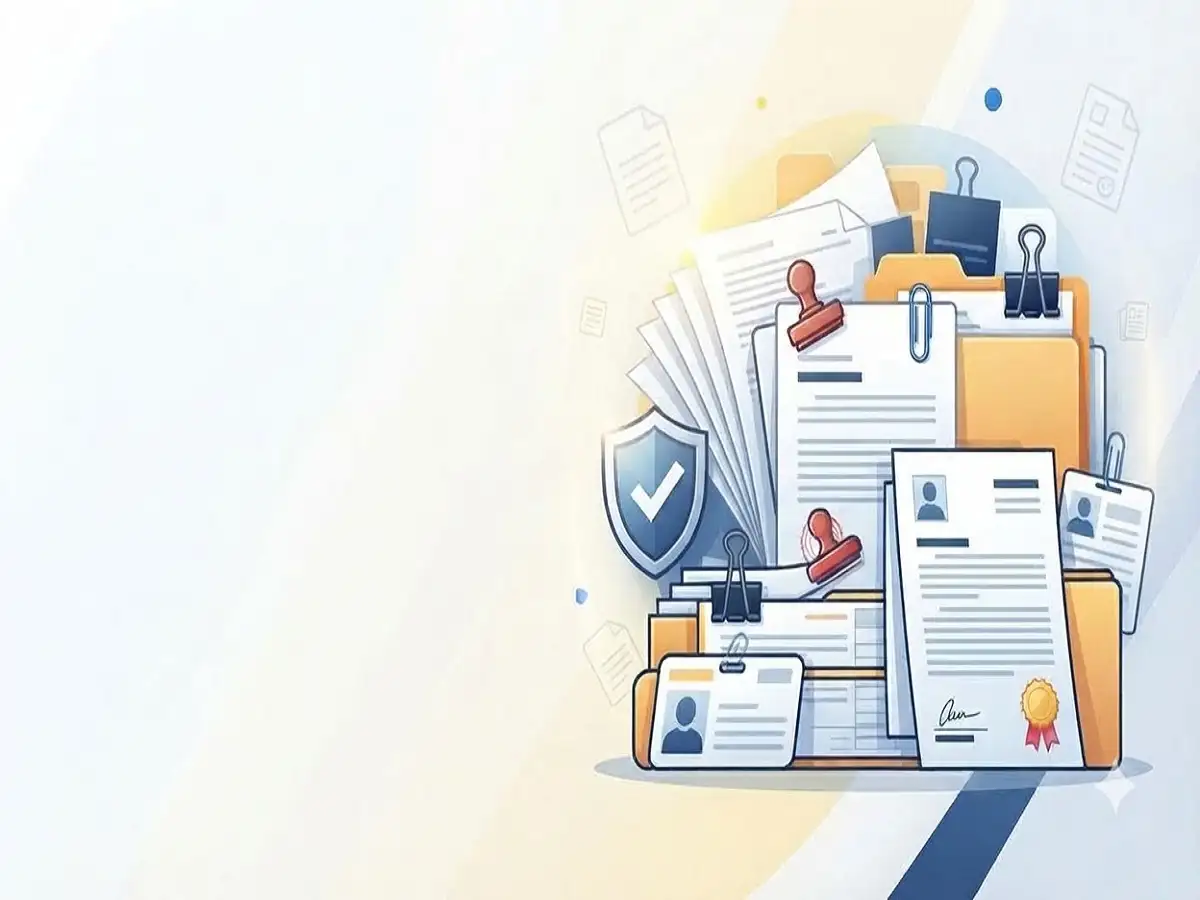
Cleaning old cupboards and files often means sorting through piles of paperwork that no longer appears useful. It can be tempting to tear up old certificates, employment papers or property records simply to free up space. However, some documents can remain important for decades and may be difficult or time-consuming to replace.
Old records may be required for government procedures, banking work, job verification, higher education, property transactions or legal matters. Even when a document has not been used for years, that does not necessarily mean it has lost its importance.
The safest approach is to identify records that could be needed again and preserve their originals carefully. Digital scans can also be useful as backup copies, but important original documents should not be discarded merely because a scanned version is available.
Here are four categories of documents you should think carefully about before throwing away.
1. Birth Certificate and Important Family Records
A birth certificate is one of the most important personal records to preserve.
It provides fundamental information related to a person's birth and may be required for various official or administrative purposes. Even if you have other identity documents, keeping the original birth certificate safely stored can save considerable trouble if it is required later.
Important family-related documents worth preserving may include:
- Birth certificates
- Old family records
- Documents mentioning date or place of birth
- Important records concerning family members
- Other certificates establishing significant personal or family details
Rather than keeping these documents mixed with ordinary household papers, create a separate folder for permanent personal records.
It is also useful to scan important certificates and maintain a backup in a secure digital location. The physical original, however, should be protected against moisture, fire, insects and accidental disposal.
2. School, College and University Certificates
Educational documents are another category that should generally be retained for the long term.
A person may have completed school or college 10, 20 or even 30 years ago, but educational certificates can still be requested later for employment or verification.
Important academic documents include:
- Class 10 marksheet and certificate
- Class 12 marksheet and certificate
- Diploma certificates
- Graduation degree
- Postgraduate degree
- Semester or annual marksheets
- Academic transcripts
- Certificates issued by schools, colleges, universities and examination boards
These documents can become important when applying for a government or private-sector job, pursuing further education or completing document-verification procedures.
A Class 10 certificate can be particularly important because it is commonly retained as part of a person's core academic record.
Replacing a lost certificate may also involve contacting the school, university or examination board, submitting an application and completing other formalities. If the record is several decades old, retrieving a duplicate may take additional time.
For this reason, original educational documents should not be discarded simply because your studies are complete.
3. Old Employment and Salary Documents
Changed jobs several times? Don't automatically throw away the paperwork from your previous employers.
Employment records can help establish where you worked, how long you worked there and the professional experience you accumulated.
Documents worth preserving may include:
- Appointment letter
- Joining letter
- Experience certificate
- Relieving letter
- Resignation acceptance letter
- Important salary records
- Other employment-related certificates and correspondence
Suppose you apply for a senior position several years later and the new organisation asks for evidence of previous employment. Having your experience and relieving certificates readily available can make the verification process much easier.
Old salary and employment records may also be useful when resolving discrepancies connected with your previous employment.
A practical solution is to maintain a separate folder for each employer. Keep the appointment letter, joining documents, salary-related records, appraisal or promotion documents where relevant, resignation acceptance, relieving letter and experience certificate together.
This creates a chronological employment history that can be accessed whenever required.
4. Property Papers Should Be Preserved Carefully
Property documents are among the records that require the greatest care.
Documents relating to a house, plot, land or another property should not be casually destroyed just because the transaction happened many years ago.
Important property records can include:
- Sale deed
- Registration papers
- Ownership-related documents
- Old payment receipts
- Property tax records
- Loan or mortgage documents
- Other papers relating to the purchase or transfer of property
Such records can become important in matters involving ownership, property transfer, taxation, loans, mortgages, disputes or legal proceedings.
Historical documents may also help establish the chain of transactions connected with a property. Therefore, old paperwork can sometimes remain relevant even when newer records are available.
Property documents should ideally be organised property-wise rather than kept randomly with other household records.
Create Both Physical and Digital Records
Keeping important documents does not mean your home needs to be filled with paper.
A simple document-management system can make records easier to preserve and retrieve.
Create separate folders for personal records, education, employment and property. Important originals should be stored in a secure and dry location.
You can then scan each important document and create clearly named digital files.
For example, instead of saving an image as "IMG00123.jpg", use a descriptive filename such as "Class_10_Certificate" or "Employment_Experience_Certificate".
Digital copies can act as useful backups and make it easier to locate information quickly. However, where an original document may be required, the physical copy should still be preserved.
Be Careful When Discarding Documents Containing Personal Information
There is another reason not to simply put old paperwork into a dustbin.
Documents can contain personal details, employment information, signatures, financial information or property-related data.
If you are certain that a document is no longer required and decide to dispose of it, avoid throwing it away intact. Sensitive papers should be destroyed securely so that personal information cannot easily be recovered.
Before destroying anything, check whether the document is an original, whether a replacement can be obtained and whether it could be required for any future verification.
Bottom Line
Not every old piece of paper needs to be preserved forever, but some records should be treated as long-term documents.
Birth and family records, educational certificates, employment documents and property papers can remain useful many years after they were issued. They may be needed for government procedures, jobs, education, ownership verification, property transactions or legal matters.
So, the next time you clean out an old cupboard or file cabinet, don't throw everything into the waste pile. Spend a few minutes separating permanent records from genuinely unnecessary paperwork. Properly preserving an important document today can save you from a lengthy search—or the difficult process of obtaining a replacement—years later.