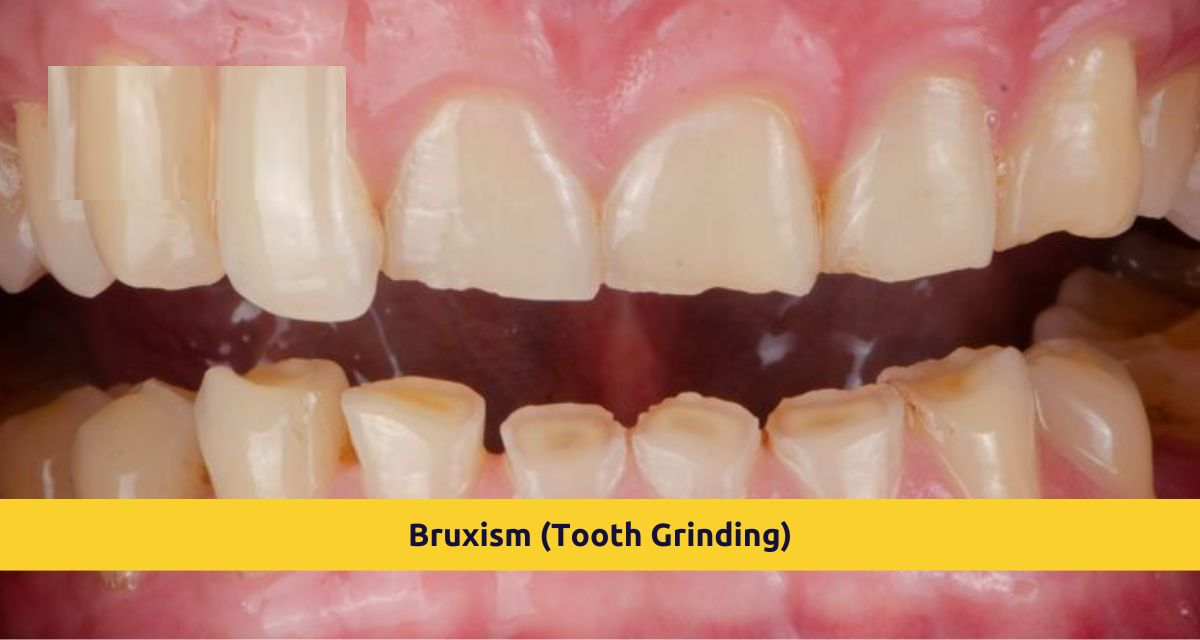
Grinding your teeth during sleep is called bruxism. It can be caused by stress, sleep disturbances, and other factors. Repeated episodes can affect your teeth and jaw. So, take care of your teeth.
Don't underestimate the sound of teeth grinding.
Has anyone in your family ever told you that they grind their teeth while sleeping? Many people are not even aware that their teeth are rubbing together or their jaw is clenching during sleep. This phenomenon is called bruxism. It can happen both during sleep and while awake. This problem is seen in both children and adults. Occasional or mild teeth grinding is not always a serious problem. But if it happens frequently and excessively, it can affect the teeth and jaw. Signs like pain or stiffness in the jaw upon waking, headache, tooth sensitivity, and grinding of teeth can point towards this problem.
This problem could be a big reason.
There's no single cause for bruxism. Stress and anxiety are associated with it. Sleep problems, such as snoring and sleep apnea, may also be associated. Having a history of these problems may also increase the risk. Excessive caffeine use and smoking may also be risk factors for some people. Certain medications can also increase the risk of bruxism, so it's best to consult a doctor rather than stopping the medication on your own.
This could indicate trouble.
The person grinding their teeth in their sleep is often unaware of it. A family member may hear the grinding sound at night. Aching or tired jaw muscles, headaches, or tooth sensitivity upon waking may also be signs. Prolonged, intense bruxism can lead to tooth wear, chipping, or cracking.
This can reveal the real problem.
If a person grinds their teeth during sleep, has tooth loss or sensitivity, or experiences jaw and facial pain, it's best to see a dentist. A dentist can assess teeth grinding and jaw muscles. A sleep test may also be necessary, especially if other sleep disorders are suspected.
It is important to pay attention to these things
Treatment for bruxism isn't the same for everyone. Mild cases don't always require treatment. Getting enough sleep, maintaining a consistent sleep and wake schedule, and reducing stress can help. Dentists may also recommend a mouthguard to wear at night to prevent tooth damage. Therefore, if someone repeatedly reports grinding their teeth during sleep, it's best to avoid dismissing it as a habit. Especially if there's tooth pain, sensitivity, wear, or persistent jaw discomfort, it's best to consult a dentist.