Do old 1 and 5 rupee notes really sell for lakhs? Learn the history of the 5 rupee note with the tractor, how the value of old notes is determined, and how to avoid online fraud.
Old Indian Currency: Price of old notes
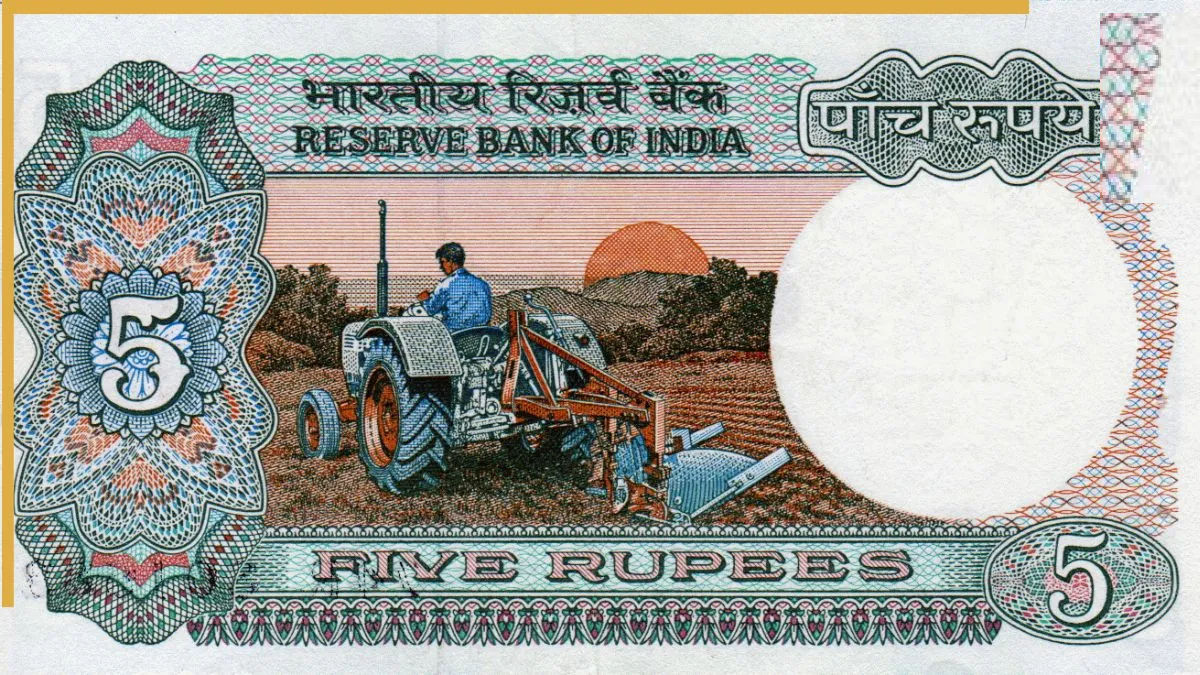
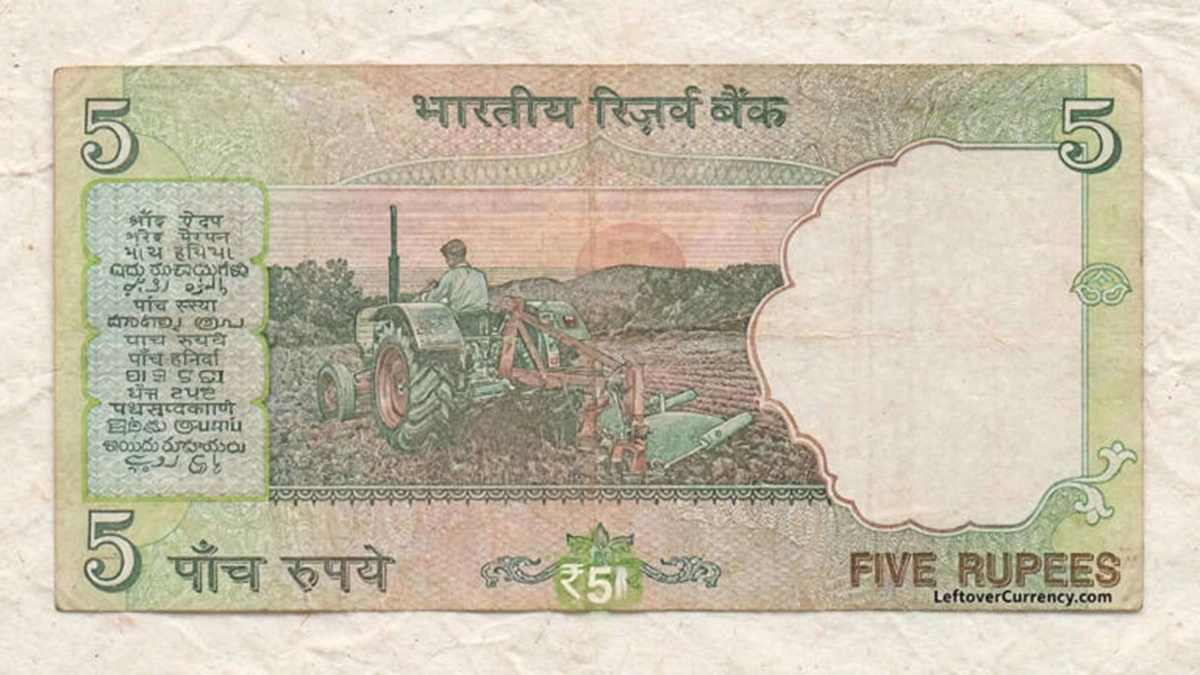
Do you have old 1 or 5 rupee notes lying around at home? If so, you may have seen claims on social media that selling these notes can fetch lakhs of rupees. Especially the old 5 rupee note, which has a picture of a farmer plowing a field with a tractor on the reverse, is widely discussed. Many online posts claim that such notes can fetch lakhs of rupees in exchange.
But are these notes really worth that much? Can an old tractor note make you rich, or is it a scam being perpetrated online? Let's understand the story of old 1 and 5 rupee notes and how their actual value is determined.
Why is the tractor note special?
The old 5 rupee note is called the tractor note because its reverse side depicts a farmer plowing a field with a tractor. This design represents the modernization of farming and agriculture in India. This note belongs to a currency series launched in the 1970s, which featured images related to the country's progress, science, and technology.
The 5 rupee note depicts the use of machinery in agriculture, which is why it is so popular among collectors of old notes.
What is the story of the 1 rupee note?
The history of the 1 rupee note in India is quite old. According to the Reserve Bank of India, the first 1 rupee note was issued on November 30, 1917. At that time, India was under British rule and the note featured the image of King George V.
The 1 rupee note was subsequently discontinued in 1926. However, it was reissued in August 1940 during World War II. After independence, in 1949, the Indian government issued a new design of the 1 rupee note, featuring the Ashoka Pillar emblem. Significantly, the 1 rupee note is issued not by the RBI but by the Government of India.
How much do old notes sell for?
The price of old notes depends on their printing date, condition, serial number, and rarity. For example, if a note has a serial number of 786 or has consecutive identical digits, some collectors may be interested in it. Similarly, notes with printing errors or a unique old signature may command a higher price than a regular note. But this doesn't mean that every old note will fetch thousands or even lakhs of rupees.
In one auction record, a 5 rupee note from the Tractor Series was sold for 3,000 rupees. This note had a printing error and was considered rare. In another auction record, a note with a similar printing error was sold for 10,000 rupees.
Are old notes being sold online?
Cases of online fraud in the name of buying and selling old notes and coins have also been reported. Many websites and social media accounts claim to offer lakhs of rupees in exchange for old notes. Registration fees, GST, and commission are typically demanded. On August 4, 2021, the Reserve Bank of India warned people about such fraudulent offers.
The RBI has clearly stated that it does not buy or sell old notes and coins, nor does it permit any individual or organization to charge fees or commissions on its behalf. Therefore, be cautious if someone claims to offer lakhs of rupees in exchange for old notes.
Are old notes still valid?
According to the RBI, previously issued 2 and 5 rupee notes are also legally valid. While their printing has been discontinued, the old notes have not yet lost their validity. Similarly, the old 1 rupee note is also valid.