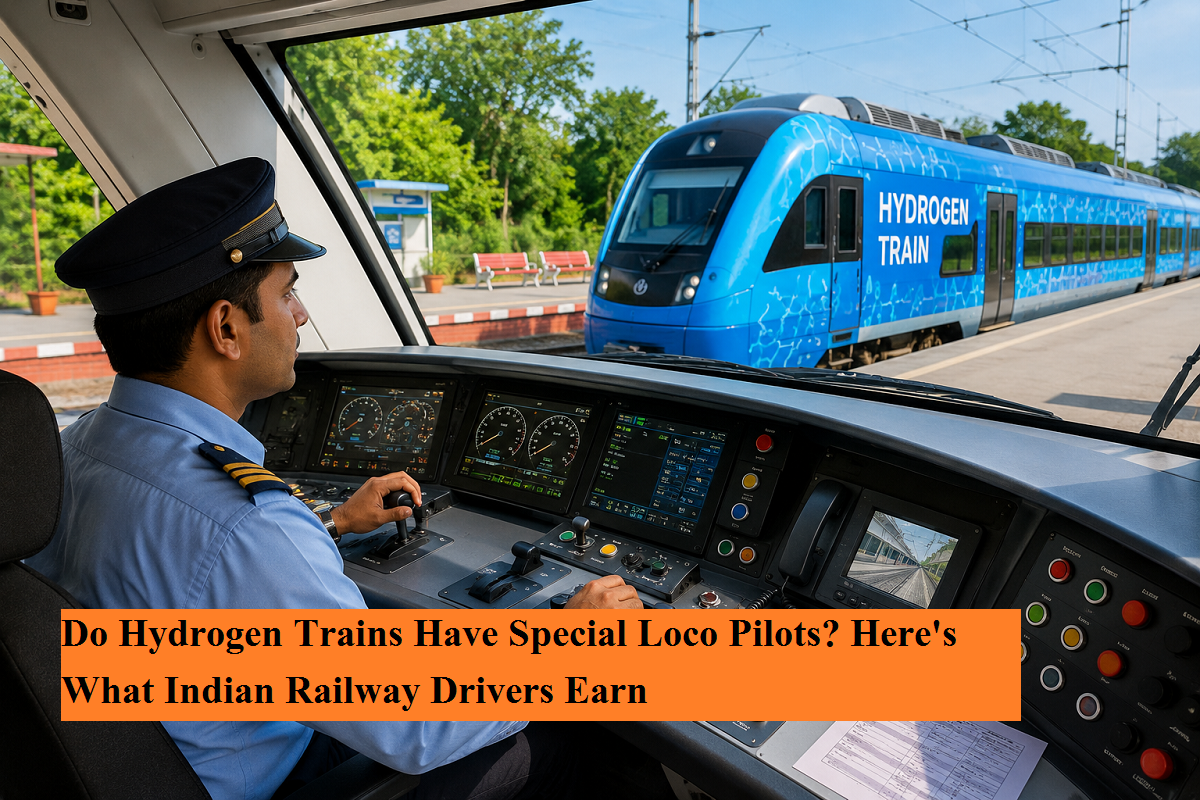
The launch of India's first hydrogen-powered train has generated widespread interest, with many people curious about how the new technology works and who operates these eco-friendly trains. One of the most common questions is whether hydrogen trains require a separate category of loco pilots and whether they receive a higher salary than drivers of conventional trains.
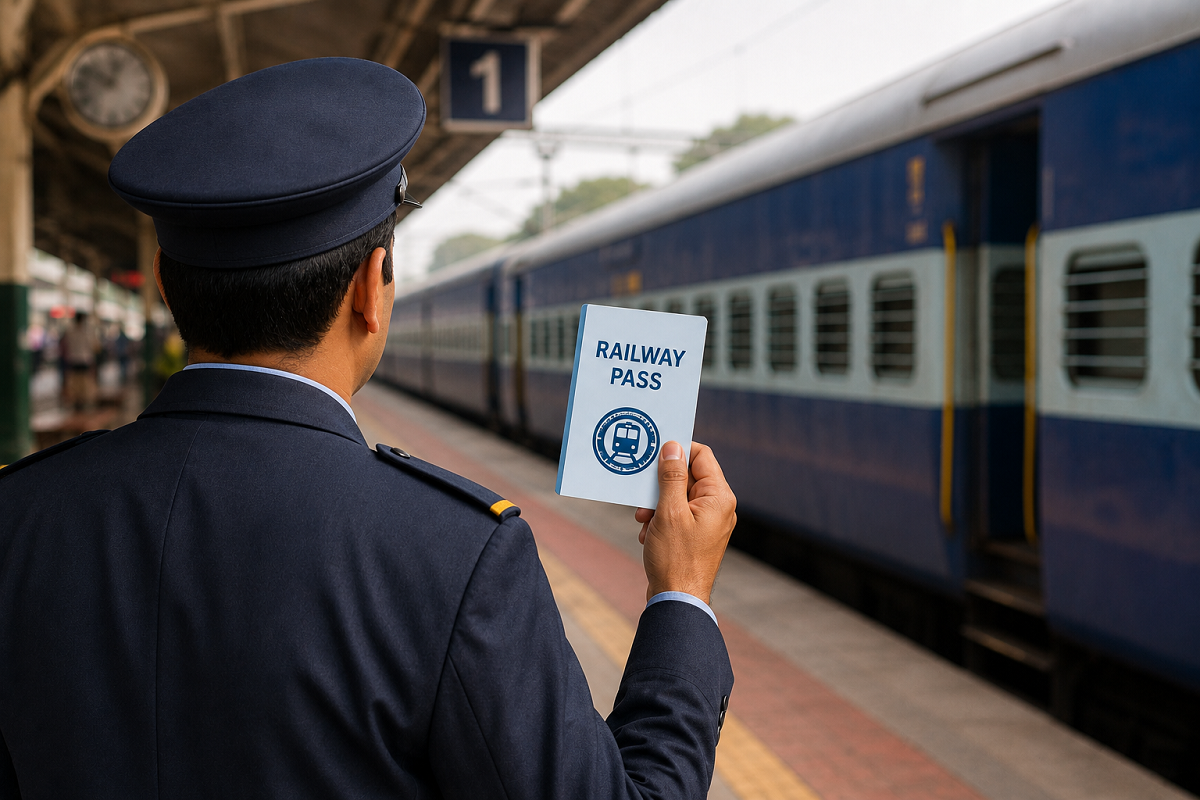
The answer is straightforward: Indian Railways has not created a separate loco pilot post exclusively for hydrogen trains. Instead, experienced railway drivers are trained to operate these advanced trains after undergoing specialised technical instruction.
Here's everything you need to know about hydrogen train loco pilots, their training, salary structure, and additional benefits.
Do Hydrogen Trains Have Dedicated Loco Pilots?
No. Indian Railways does not appoint a separate cadre of loco pilots specifically for hydrogen-powered trains.
Hydrogen trains are operated by experienced and senior loco pilots who are already part of the Indian Railways workforce. Before taking charge of these trains, they receive specialised training to understand the new propulsion system, onboard technology, safety procedures, and operational requirements associated with hydrogen fuel.
Since hydrogen-powered trains use technology that differs from conventional diesel and electric locomotives, proper technical training is considered essential before they are deployed for operations.
Why Is Special Training Required?
Although the designation of the loco pilot remains the same, operating a hydrogen-powered train involves understanding several advanced systems.
Training generally focuses on:
- Hydrogen fuel technology
- Safety protocols for handling the propulsion system
- Emergency response procedures
- Train monitoring and control systems
- Operational differences compared to conventional locomotives
This additional training enables experienced drivers to operate the trains safely and efficiently.
How Much Does a Hydrogen Train Loco Pilot Earn?
There is no separate salary structure exclusively for hydrogen train operators. Their pay is determined under the existing Indian Railways salary framework applicable to loco pilots.
The overall salary depends on factors such as:
- Job designation
- Seniority
- Years of service
- Experience
- Running duties
- Allowances applicable to the posting
In general, the monthly earnings of a loco pilot can range from around ₹30,000 to over ₹1 lakh, depending on the level of the employee and the allowances received.
Senior loco pilots are placed in higher pay levels, with a basic pay starting from ₹35,400 under the applicable pay structure. The final in-hand salary is significantly higher after adding various allowances.
Additional Benefits Received by Loco Pilots
Apart from their basic salary, Indian Railways provides several allowances that substantially increase the overall monthly income.
These commonly include:
- Dearness Allowance (DA)
- House Rent Allowance (HRA)
- Running Allowance
- Night Duty Allowance
- Other admissible railway benefits as per service rules
The exact amount varies depending on the employee's posting, duty hours, city classification, and applicable government regulations.
Hydrogen Trains Mark a New Step for Indian Railways
Hydrogen-powered trains are considered an important part of India's efforts to adopt cleaner and more sustainable transportation technologies. Unlike conventional diesel trains, hydrogen-powered trains produce significantly lower emissions, making them an environmentally friendly alternative for rail transport.
Despite the technological advancement, the responsibility of operating these trains continues to rest with qualified and experienced railway professionals who receive additional technical training before deployment.
Experience Remains the Key Qualification
Operating a hydrogen-powered train requires both railway driving experience and an understanding of the new propulsion technology. Rather than recruiting a new category of drivers, Indian Railways relies on its existing pool of skilled loco pilots and equips them with specialised training to handle the advanced systems safely.
As hydrogen-powered rail services expand in the future, training programmes for loco pilots are expected to become increasingly important, ensuring that modern railway technology is supported by experienced professionals capable of operating it efficiently and safely.