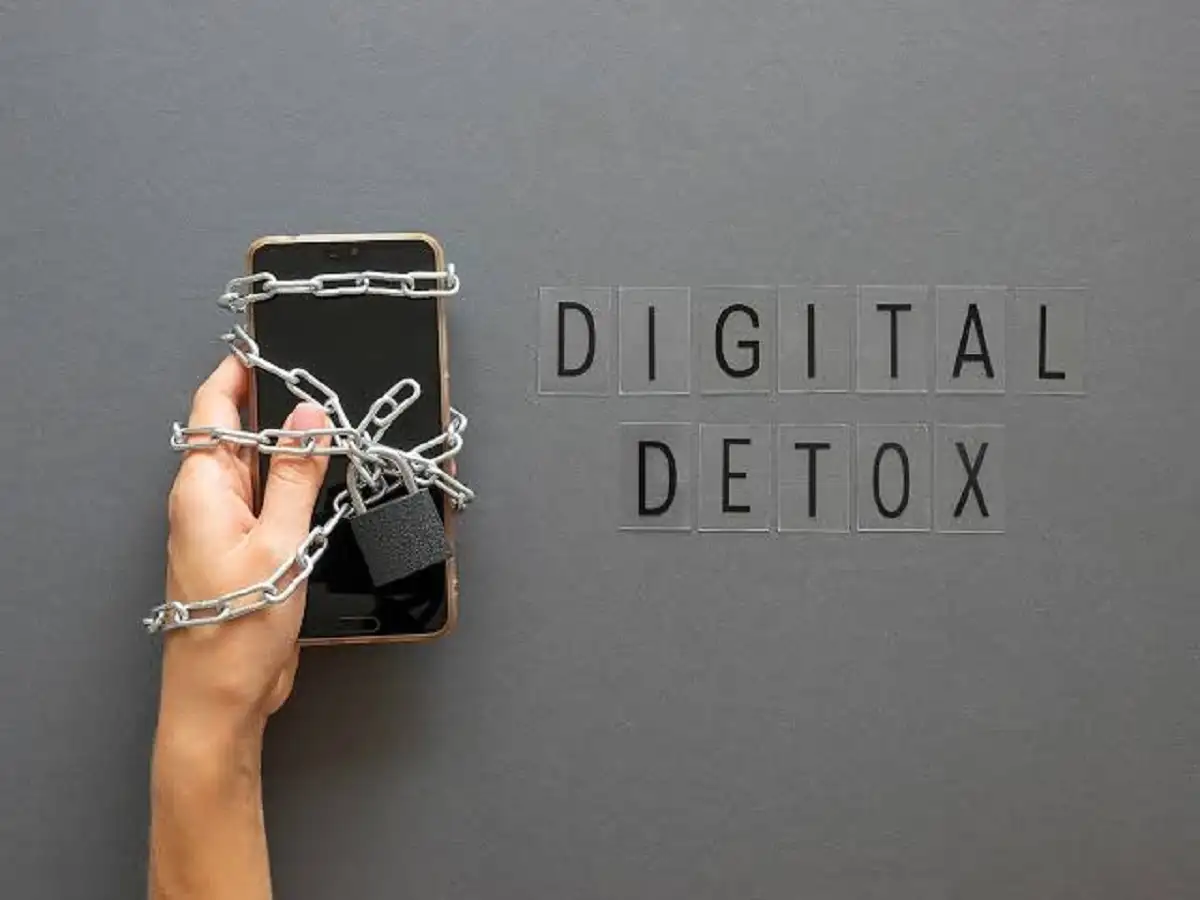
Digital Detox Tips: Smartphones have become deeply integrated into everyday life. Many people check notifications immediately after waking up, watch short videos during meals, scroll through social media whenever they have a free moment and spend more time on their phones before going to bed.
What starts as "just a few minutes" of watching Reels or other short-form videos can sometimes turn into a much longer scrolling session. Because these platforms continuously offer new content, it can be easy to lose track of time.
Taking a break from short-form videos for seven days is one way to examine your digital habits. A week without Reels will not magically transform your brain or body, and everyone's experience will be different. However, reducing unnecessary screen time—particularly late at night—may help some people regain time, become more aware of their phone habits and create a healthier daily routine.
Here's what you may notice during a seven-day digital detox and how to make the break easier.
Days 1-2: You May Keep Reaching for Your Phone
The first couple of days can feel surprisingly difficult if checking social media has become an automatic habit.
You may unlock your phone without having any particular reason to do so. Waiting for a lift, sitting in a queue, taking a work break or even experiencing a few seconds of boredom can trigger the urge to open your favourite short-video app.
Some people may feel bored, restless or concerned that they are missing something happening online.
This doesn't necessarily mean something is wrong. It can simply highlight how strongly phone checking has become associated with particular situations.
Instead of immediately opening Reels, try identifying the trigger. Ask yourself whether you're actually looking for something important or simply opening the app automatically.
Days 3-4: Your Phone Habits May Become More Obvious
After a few days, you may start noticing exactly how often you previously opened short-video apps.
This awareness can be one of the most useful parts of a digital detox.
For example, you might realise that you usually scroll when you're bored, stressed, avoiding a difficult task or waiting for something. Once you recognise these patterns, it becomes easier to replace automatic scrolling with a more deliberate activity.
This doesn't have to be something highly productive. You could take a short walk, listen to music, make tea, talk to someone or simply allow yourself a few minutes without digital stimulation.
The objective is not to fill every free second. Learning to tolerate occasional boredom can itself help break the habit of constantly reaching for the phone.
Focus May Feel Easier for Some People
Short-form video platforms are designed around rapidly changing content. Within a few minutes, a viewer may move between comedy, news, food, travel, sports and dozens of unrelated subjects.
Taking a break from this pattern may make it easier for some people to spend uninterrupted time on slower activities such as reading, studying or completing work.
However, it would be misleading to suggest that avoiding Reels for exactly seven days will automatically improve everyone's concentration.
Focus is influenced by many factors, including sleep, stress, workload and lifestyle. What the break can do is remove one frequent source of interruption and give you an opportunity to practise sustained attention.
Try completing one task without checking your phone for 20 or 30 minutes. Gradually increasing these distraction-free periods can help build a more focused routine.
Cutting Night-Time Scrolling May Help Your Sleep Routine
One of the clearest practical benefits of reducing social media use can come from changing what happens before bedtime.
A common problem with short videos is that there is no obvious stopping point. After one video ends, another appears immediately. The familiar thought of watching "just one more" can easily extend bedtime.
If you normally spend 30 minutes or an hour scrolling in bed, removing this habit can give that time back to sleep or a calmer pre-bed routine.
Keeping your phone away from the bed can also reduce the temptation to check notifications after the lights are off.
Try creating a screen-free period before bedtime and use the time for reading, stretching or another relaxing activity.
You May Suddenly Find More Free Time
People often say they don't have enough time to exercise, read or pursue hobbies. Yet small scrolling sessions throughout the day can add up.
A seven-day break can reveal how much time was previously being spent on short-form content.
You can use that extra time for activities such as walking, exercising, reading, cooking, meeting friends, spending time with family or working on a hobby.
The goal isn't to replace social media with nonstop productivity. Rest is equally important. The idea is to make your free time more intentional rather than allowing an algorithm to decide how you spend it.
How to Start a 7-Day Digital Detox
You don't necessarily need to stop using your smartphone entirely. For most people, phones are essential for calls, messages, navigation, banking and work.
Instead, focus specifically on the behaviour you want to reduce.
You can temporarily remove short-video apps from your home screen, disable unnecessary notifications and log out of accounts that encourage habitual checking.
Built-in screen-time tools on smartphones can also help you understand how long you're spending on different applications.
Another useful step is to create phone-free zones. The dining table and bedroom are good places to start.
Don't Replace Reels With Another Endless Feed
One common mistake during a digital detox is deleting one short-video app and immediately spending the same amount of time on another platform.
If you stop watching Reels but replace them with endless scrolling elsewhere, the underlying habit hasn't really changed.
Instead, decide in advance what you will do when you feel the urge to scroll.
Keep a book nearby, go outside for a few minutes, call someone, listen to a podcast or complete a small task. Having an alternative makes it easier to avoid falling back into automatic scrolling.
What Happens After the Seven Days?
A digital detox does not have to mean permanently giving up social media.
After seven days, think about what changed. Did you sleep earlier? Did you have more time? Were you checking your phone less automatically? Did you miss the app as much as you expected?
Based on your experience, you can set healthier boundaries rather than returning immediately to your previous routine.
For example, you might decide to avoid Reels during meals, keep your phone away for the first 30 minutes after waking up or stop short-video viewing an hour before bedtime.
Digital Detox Is About Control, Not Giving Up Technology
Smartphones and social media are useful tools for communication, entertainment, education and work. A digital detox isn't about treating technology as the enemy.
Instead, it is an opportunity to determine whether you're choosing when to use your phone—or simply opening it automatically whenever you have a free moment.
Even a seven-day break from Reels and other short-form videos can help you understand your scrolling habits, reclaim some free time and establish clearer boundaries around smartphone use.
The most sustainable outcome isn't necessarily deleting every social media app. It is reaching a point where you decide when to use the screen rather than allowing the screen to decide how you spend your time.