NEWS
CPU vs GPU: What is the difference between GPU and CPU, why has GPU become the biggest weapon in the world of AI?
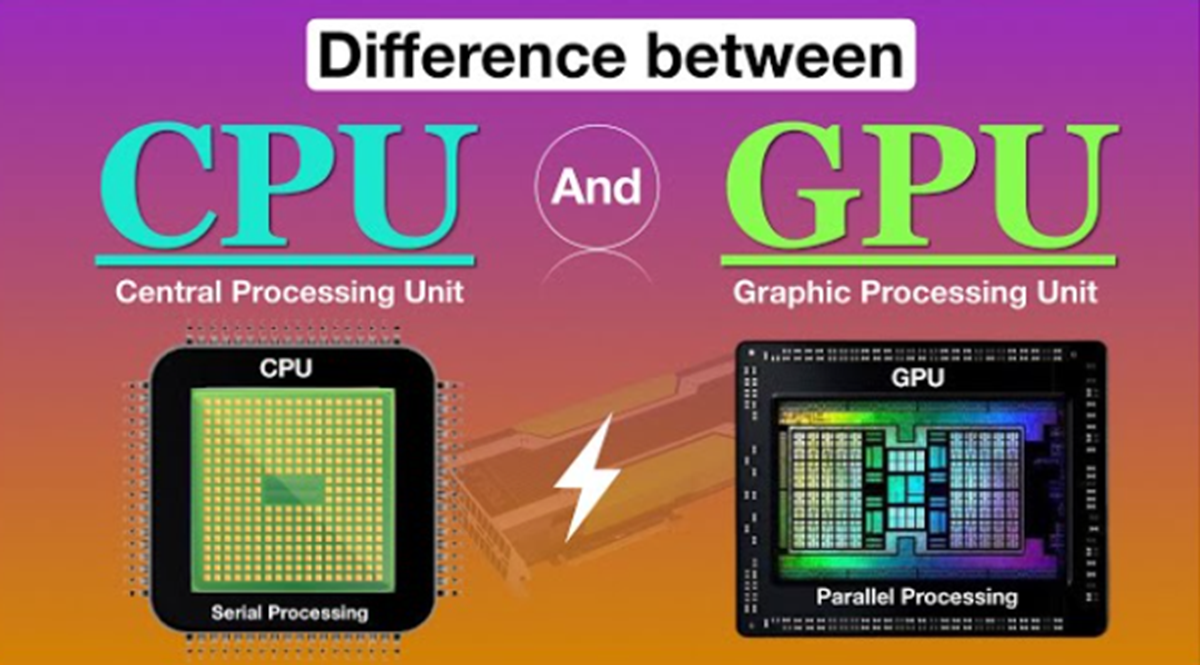
CPU vs GPU: While the CPU performs one task at a time, the GPU handles thousands of parallel tasks, becoming AI's biggest weapon. Learn why it's superfast for deep learning and data processing.
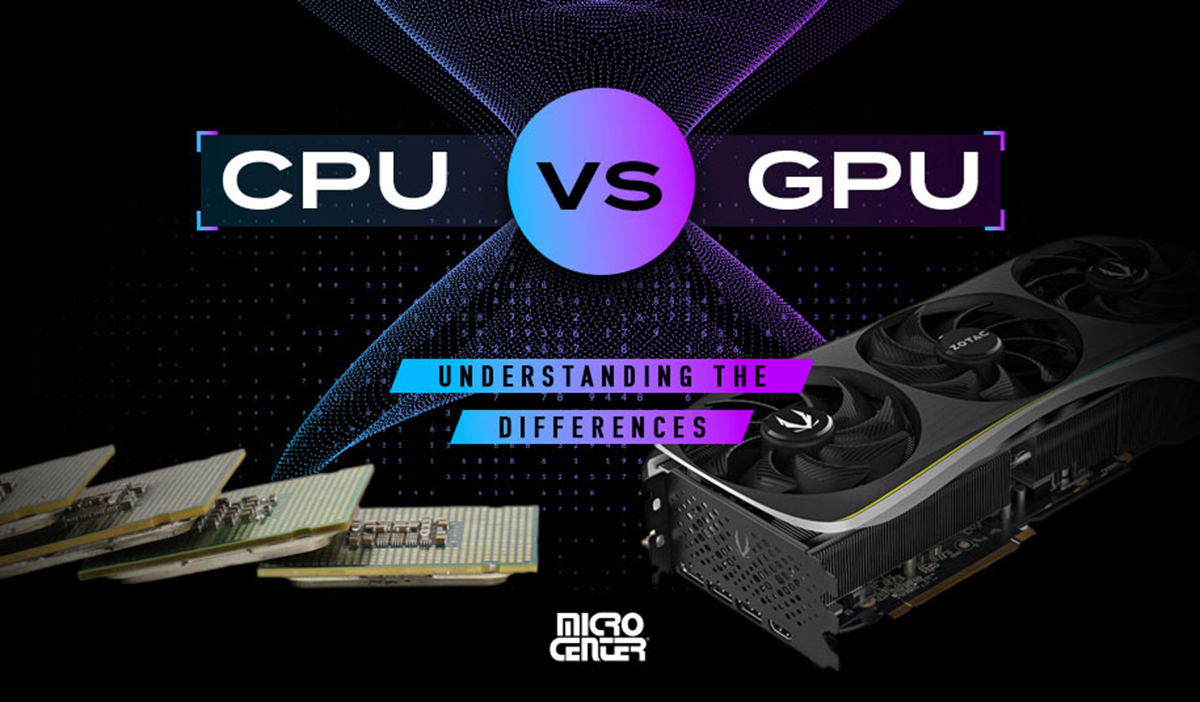
Difference between GPU and CPU
CPU vs GPU: Amid the global AI revolution, the recent controversy surrounding chip manufacturer NVIDIA's CEO, Jensen Huang, is making international headlines. Following a report from US intelligence agencies, NVIDIA's board has launched an independent investigation into Jensen Huang. Huang has admitted to an extramarital affair with a Chinese businesswoman, whom US agencies suspect of spying for Beijing.
This revelation has raised concerns about US national security and the potential leakage of sensitive NVIDIA technologies amid the ongoing AI tech war between the US and China. This major controversy has once again drawn global attention to the nature of NVIDIA's chip technology, making it a major focus of conflict between global superpowers.
Basic difference between GPU and CPU
In the world of computer hardware, both CPUs and GPUs are responsible for processing, but their working methods are completely different. The CPU is considered the brain of the computer, designed to handle routine tasks, run the operating system, and perform complex logical calculations one after another.
A powerful server CPU typically has 8 to 64 large, extremely fast cores, capable of completing a single task in extremely short bursts. In contrast, a GPU has thousands of smaller, simpler cores, designed to perform thousands of calculations simultaneously.
Why GPUs have become a weapon in the world of AI
AI, deep learning, and large language models like ChatGPT run trillions of mathematical calculations simultaneously at the backend. Training these models requires processing vast troves of data simultaneously. CPUs prove too slow here, while GPUs with thousands of cores can handle this massive math in a flash.
NVIDIA's GPUs are specifically designed with Tensor cores, which can significantly speed up AI algorithms by several hundred times. Training large AI models on a CPU is considered a significant financial and time-consuming process today, which is why GPUs have become the primary and most powerful tool for developing AI systems.
The interplay between the two chips
This doesn't mean that the CPU has lost its utility with the advent of GPUs, as no AI server can function without a CPU. In modern AI architectures, the CPU plays the role of a key manager or master orchestrator. When a user asks the AI a question, the CPU performs login verification, converts the user's input text into computer mathematical tokens, and manages the rules of the entire system.
It then sends the massive data to the GPU, where it performs the main calculations. Once the calculations are complete, the GPU returns the results to the CPU, which then translates them back into human language and displays them on the user's screen.