Lung Damage: The number of COPD cases in India increased from approximately 28.1 million in 1990 to 55.3 million in 2016. Air pollution also plays a major role in the risk of this disease.
Lungs checkup with blood test
Can a blood test detect COPD? Can a blood test alone determine if your lungs are malfunctioning? This question is especially important for those who have long-term complaints of cough, phlegm, or shortness of breath. Many people dismiss such problems as a result of age, cold, or pollution. This is why chronic obstructive pulmonary disease (COPD) is often diagnosed too late.
COPD is a common but underrecognized lung disease in India. According to data from the Global Burden of Disease Study, COPD cases in India increased from approximately 28.1 million in 1990 to 55.3 million in 2016. Air pollution also plays a major role in the risk of this disease. Therefore, prolonged exposure to polluted air can be a cause for concern for the lungs.
A blood test detect COPD?
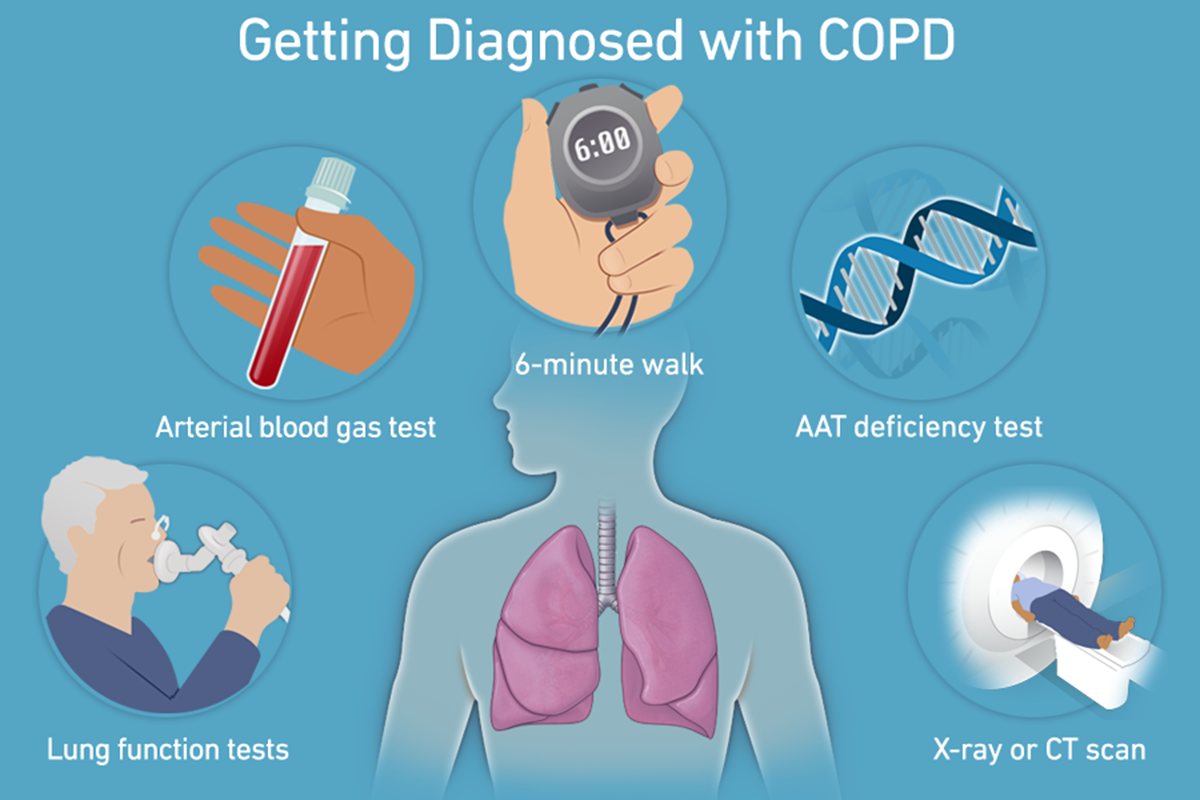
According to Dr. Shruti Mehta Nahar, consultant pathologist at Metropolis, the answer is no. No blood test alone can confirm COPD. The most important test is spirometry. This is a simple and painless breathing test that measures how much air a person can exhale and how quickly.
However, this doesn't mean that blood tests are useless. They can provide important clues to your doctor. These tests can help rule out other causes of shortness of breath and determine treatment.
Important information can be obtained from a CBC test.
A complete blood count (CBC) provides information about hemoglobin and other blood cells. In some cases, red blood cell and hemoglobin levels may increase if the body experiences low oxygen levels for a prolonged period. Anemia, on the other hand, can also cause shortness of breath and is often mistaken for a lung problem. Eosinophil levels can also be measured in a CBC, which can help doctors determine whether a patient is likely to benefit from inhaled steroids.
Why is an alpha-1 antitrypsin test performed?
Some people are born with alpha-1 antitrypsin deficiency. This condition can cause lung damage at a young age, even in those who have never smoked. Therefore, testing for this deficiency is recommended at least once if COPD is confirmed. However, this condition is less common in India than in Europe. Doctors may recommend this test if COPD symptoms appear at a young age or if there is a family history of lung disease.
Arterial blood gas test in severe cases
An arterial blood gas (ABG) test is usually performed in the hospital. It measures the oxygen, carbon dioxide, and acidity levels in the blood. In patients with severe respiratory distress, it can help determine whether oxygen support is needed. Shortness of breath isn't just caused by lung problems; in some cases, heart disease can also be the cause. Heart markers like NT-proBNP can help determine if heart failure is contributing to shortness of breath.
Not every cough is COPD.
There can be many reasons behind a persistent cough. Diagnosing tuberculosis primarily involves sputum testing and chest imaging. Asthma symptoms can sometimes mimic those of COPD. Research is underway on new biomarkers that may be able to detect lung damage early or predict the disease's worsening. However, these tests are currently limited to research. Therefore, a normal blood count does not necessarily mean the lungs are completely healthy.
Pollution is also a major threat to the lungs.
A blood test can't tell how much pollution a person's lungs have been exposed to over the years. This risk is particularly significant in India. Extremely small particles like PM2.5 can be inhaled and reach deep into the lungs, increasing inflammation throughout the body. The risk of COPD isn't limited to cigarette smokers. Smoke from stoves and biomass fuels, bidis and other tobacco products, dust from construction, textiles, mining, and agriculture, and lung damage from previous tuberculosis can also increase the risk.
Do not ignore these symptoms.
If you experience shortness of breath while climbing stairs or lifting objects, have a cough for several weeks or months, have persistent phlegm, wheeze while breathing, or feel chest tightness, don't dismiss it as a normal problem. A worsening of symptoms every winter or recurring chest infections are also important considerations. People over 40 should especially consult a doctor about testing if they have a prolonged cough, phlegm, or shortness of breath. Those who smoke, smoke beedis, are exposed to kitchen smoke, pollution, or workplace dust for extended periods should also be cautious. It's also advisable to consult a doctor if you have had tuberculosis before or have recurring chest infections.