LIFESTYLE
Homemade Besan: Pigeon peas, peas, or chickpeas—which lentils are used to make gram flour? Learn how to make it at home.
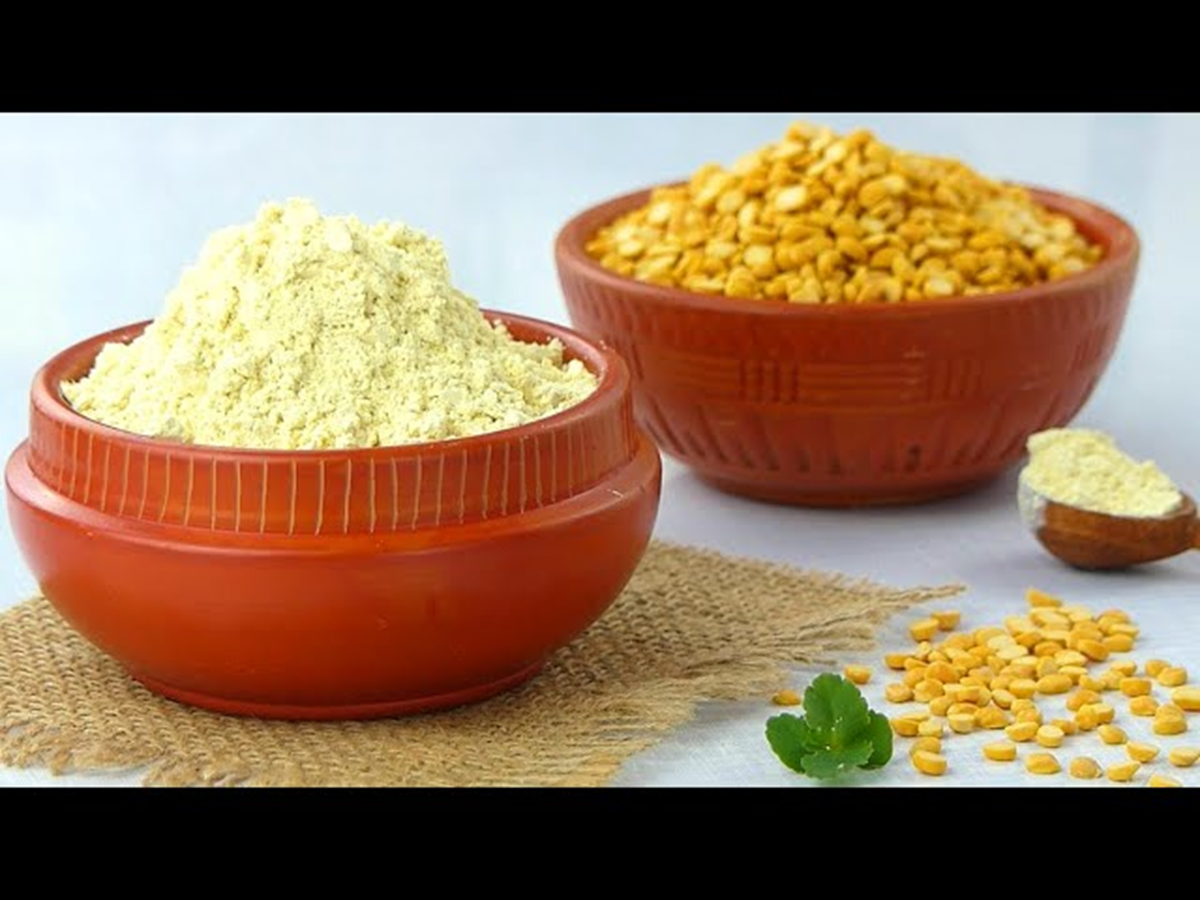
Kitchen Tips: Usually, people buy packaged gram flour from the market, but if you want to make fresh gram flour at home then this task is not very difficult.
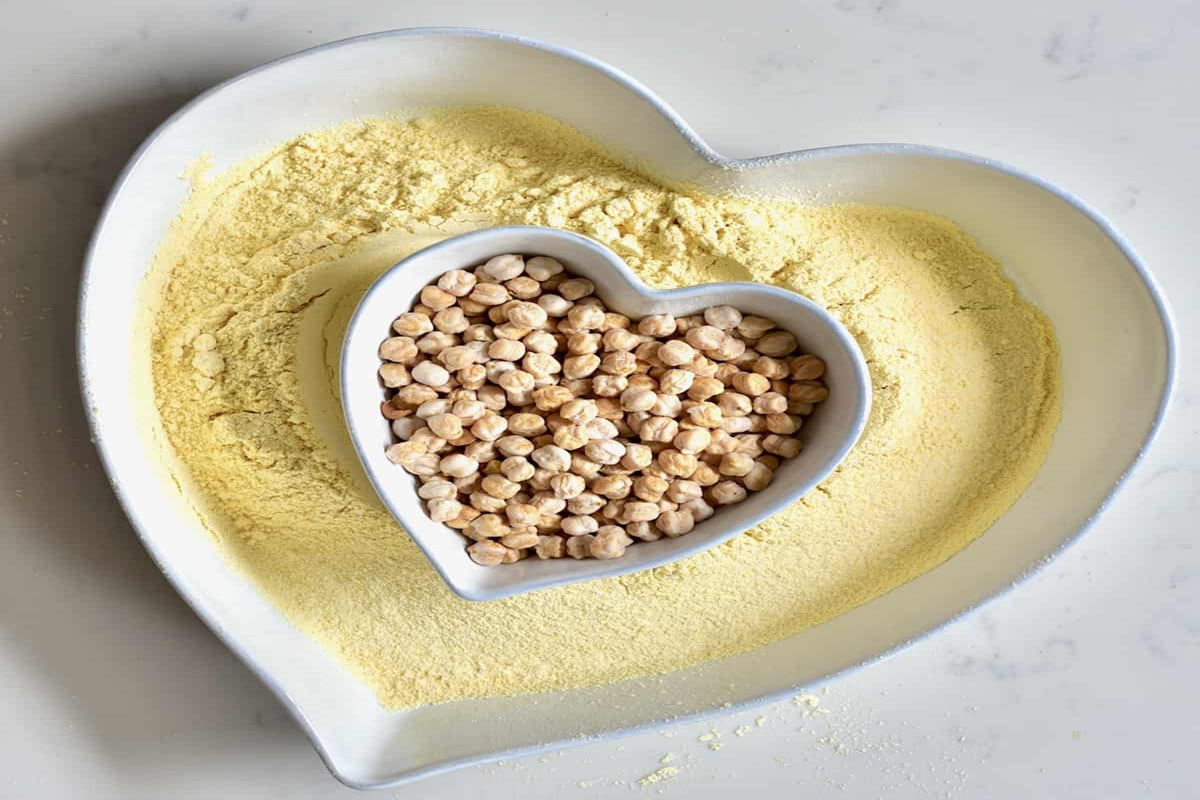
How to make gram flour at home?
How to Make Besan at Home: Gram flour is an essential ingredient in Indian cuisine, used in a variety of dishes. Whether it's making pakodas during the monsoon season, cheela for breakfast, or curry, dhokla, and gram flour laddus, many things require gram flour. People typically buy packaged gram flour from the market, but if you want to make fresh gram flour at home, it's not too difficult.
Now the question arises: what kind of lentils are gram flour made from? Among pigeon peas, peas, and chickpeas, the most suitable lentils for making gram flour are chickpea lentils. In particular, the lentils that have been peeled and split into two, or chickpea lentils, produce the gram flour commonly used in households. It is pale yellow in color and has a distinctive aroma and flavor.
Which lentils to use for making gram flour?
To make gram flour at home, use chickpea flour. The lentils should be of good quality and free from moisture, insects, or any odor. The quality of the lentils can also be determined by looking at the grains. Different types of flour can be prepared by grinding pigeon peas or peas, but the gram flour used in pakodas, cheelas, curries, and laddus is generally made from chickpea flour.
Firstly, clean the lentils thoroughly.
Spread the gram dal on a large plate or tray. Remove any small stones, husks, damaged grains, or other debris. To clean the dal, gently rub it with a dry, clean cloth. Washing the dal is not necessary for making gram flour. If you wash it with water, it is crucial to dry it thoroughly before grinding. Even a little moisture can cause the dal to stick together during grinding, resulting in lumps in the gram flour.
It is important to dry the lentils completely
If you've washed the lentils, spread them out in a single layer on a clean cloth to dry thoroughly. Keep them in the sun or in a warm, airy place until they are completely dry. The lentils should be dry inside. Don't make the mistake of grinding them just because they appear dry on the surface. Gram flour made from moist lentils can spoil quickly and have a shorter storage life.
Should it be made from raw lentils or roasted?
Depending on the purpose of the gram flour, you can grind it raw or lightly roast it. Gram flour made from raw gram dal is commonly used for dishes like pakodas, chillas, curries, and dhoklas. For gram flour laddus or some sweets, lightly roasting and then grinding the dal is also used. To do this, lightly roast the dal in a heavy pan over low heat. When it begins to smell mild and the color changes slightly, turn off the heat. Then, let the dal cool completely.
How to make gram flour at home using a grinder
If you have a flour mill at home, you can easily make gram flour by grinding chickpeas in it. Before putting the lentils into the machine, make sure they are completely clean and dry. Instead of grinding a large amount the first time, start with a small amount. This will help you determine how fine the flour is. If you need more fine flour for pakodas or cheelas, use the correct mesh or setting on the machine. After grinding the gram flour, spread it on a plate and let it cool for a while. Then, strain it through a fine sieve. This will separate the coarse particles and make the gram flour more light and uniform.
Gram flour can also be made in a mixer.
If you don't have a flour mill at home, a small amount of chickpea flour can be ground in a mixer grinder. However, it's better to grind the lentils in small portions rather than adding a large amount at once. Instead of running the mixer continuously, run it in short intervals. This will prevent the jar from overheating. After grinding, be sure to strain the gram flour through a sieve.
How to store homemade gram flour
Always store gram flour in an airtight glass or steel container. The container should be completely dry, and avoid placing it near a gas stove. It's best to store gram flour in a cool, dry, and dark place. Always use a dry spoon to scoop out the flour. Homemade gram flour contains no preservatives, so it's best to make it as needed rather than making large quantities and storing it for months.