LIFESTYLE
Childhood Obesity in India: Obesity among children on the rise! Junk food aids will be banned; learn about ICMR's new roadmap.
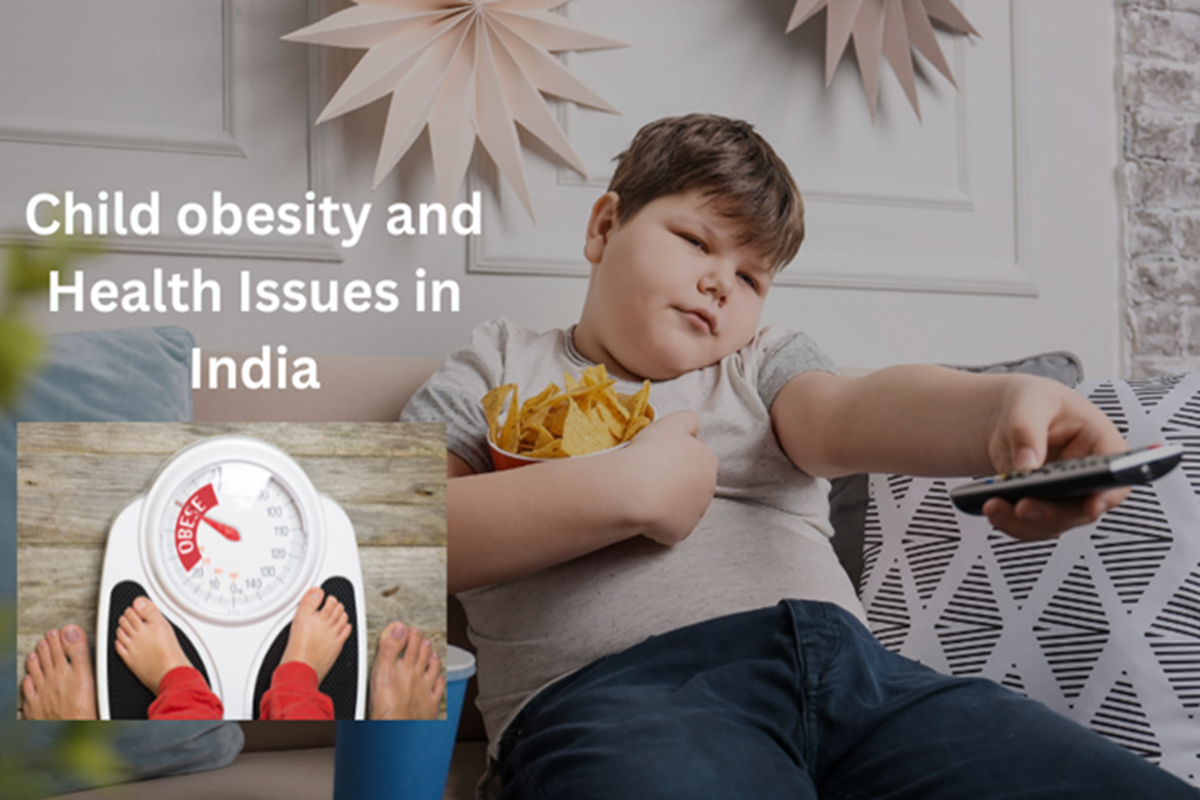
ICMR Childhood Obesity: Obesity is now becoming a major health challenge. According to the World Obesity Atlas 2026, approximately 41 million children in the country are already overweight or obese.
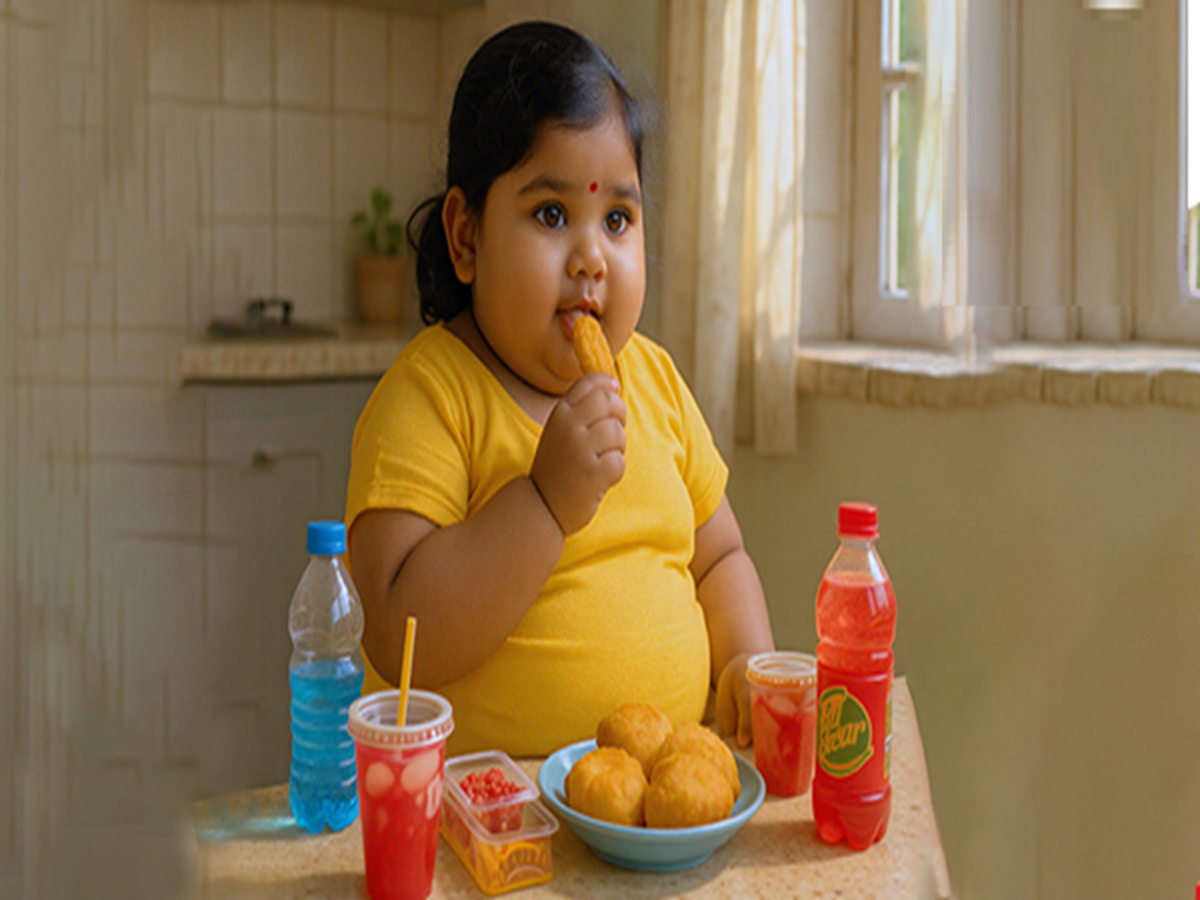
Ways to reduce obesity in children
ICMR Roadmap For Childhood Obesity: Increasing obesity among children and adolescents in India is now becoming a major health challenge. According to the World Obesity Atlas 2026, approximately 41 million children in the country are already overweight or obese. If the current situation continues, India's share in the total cases of childhood obesity in the world could exceed 11 percent by 2030. In view of this growing problem, the Indian Council of Medical Research has presented a roadmap to improve the diet of children and the food environment around them.
The "Let's Fix Our Food" consortium, led by the National Institute of Nutrition of the Indian Council of Medical Research, has released a policy document titled "Priority Policy Actions to Promote Healthier Diets and Food Environments for Children and Adolescents in India." It was launched by NITI Aayog Member Dr. M. Srinivas. Its objective is to reduce the risk of obesity among children and adolescents, as well as diet-related non-communicable diseases like diabetes and high blood pressure. Based on nearly three years of research, assessments conducted in various states, and suggestions from various stakeholders, it recommends several key steps.
Strict action against junk food advertisements
The Indian Council of Medical Research's roadmap calls for stricter regulations on unhealthy food advertisements targeting children and adolescents. It recommends legal restrictions, rather than voluntary regulations, on the marketing of HFSS foods, particularly those high in fat, salt, and sugar. It also calls for a ban on misleading health claims in such advertisements on digital platforms, television, and other media. The report cites the easy availability of unhealthy foods, aggressive marketing, and a lack of nutritional information as major causes of obesity.
The contents of the food are clearly visible on the front of the package.
The policy document also recommends simple and clear nutrition labels on the front of packaged foods. This is intended to make it easier for parents and children to understand whether a package contains high amounts of fat, sodium, or sugar before purchasing it. Such front-of-pack labels can help people make better food choices. Emphasis is also placed on digital literacy modules and interactive e-learning platforms to educate children about food labels. ICMR-MIN is also using mediums such as comic books for adolescents to help them identify foods high in salt and unhealthy fats.
Junk food curbs around schools
The roadmap focuses specifically on the food environment in schools. It recommends regulating school canteens and nearby food vendors to reduce children's easy access to junk food. It also emphasizes providing fruits and other nutritious foods at affordable prices. Current FSSAI regulations prohibit the sale and advertising of foods high in saturated fat, trans fat, added sugar, and sodium within 50 meters of school premises and school gates. The new document calls for strict enforcement, regular inspections, and enhanced monitoring.
A pilot assessment conducted in private schools in Uttar Pradesh revealed that ultra-processed snacks and sugary drinks were readily available in many school canteens. Nutrition services were limited, and enforcement of existing policies was poor. A "Nutrition Environment Assessment Toolkit for Schools" has been developed to monitor the situation in schools. It can help schools assess their food environment and take steps to increase healthy canteen options.
A health tax may be imposed on junk food.
The ICMR's roadmap also recommends imposing a health tax on foods high in fat, salt, and sugar, as well as on sugar-sweetened beverages. The aim is to reduce consumption of these foods. It also emphasizes the need to develop policies that make nutritious and healthy foods more affordable. The report also states that unhealthy diets contribute to an estimated 56.4 percent of the total burden of disease in India. Therefore, changing children's eating habits from an early age is considered essential.