PARENTING
Child Prefers To Be Alone: Does your child also like to be alone in the room? Do these 5 things immediately or else...
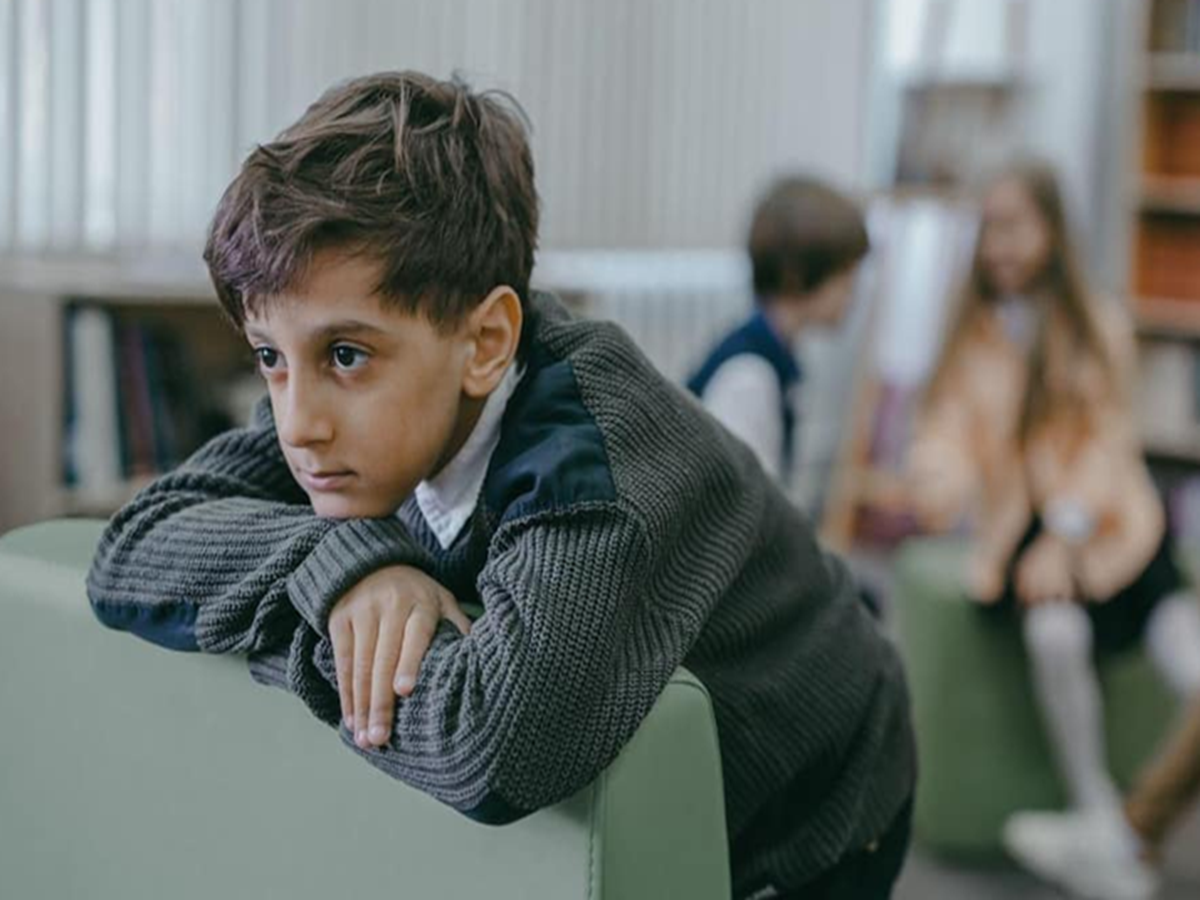
Parent-Child Relationship: As children grow older, they try to better understand themselves and establish their own identities. Therefore, they may prefer to spend some time alone.

Why is the child always alone in the room?
What to Do If Your Child Prefers to Stay Alone: If your child used to spend a lot of time with the family, but now prefers to stay alone in their room for hours, this can obviously be concerning. Many parents wonder if their child is feeling lonely or experiencing some mental stress. However, this isn't always the case. Experts say that children, and especially teenagers, asking for personal time can be a normal part of their development.
In fact, as children grow, they try to better understand themselves and form their own identities. They may prefer to spend some time alone. But it's important for parents to understand whether their child simply wants privacy or is truly experiencing social isolation.
Ask the child the right questions. Instead of simply asking, "How was school today?", ask specific questions. Such as who you sat with at lunch, what you did during playtime, or if there were any fun events with friends. These questions will help you gauge whether your child is socially engaged.
Respect his privacy
Peeping into your child's room all the time or asking questions repeatedly can strain the relationship. According to child psychologist Dr. Peter Marshall, teenagers need personal space to process their thoughts and identify themselves. Therefore, it's important to respect their privacy.
Don't force interaction. If your child is a bit quiet, don't force them to be around people all the time. Every child has a different personality. Some children enjoy being with friends, while others feel better spending time alone.
Maintain an atmosphere of family bonding. Even if your child spends most of their time in their room, they should feel that their family is always there for them. Eating meals together, spending time on weekends, or just having small conversations keep relationships strong.
Watch for changes in behavior.
If a child suddenly distances themselves from friends, loses interest in studies, appears constantly sad, or refuses to interact with family, it can be a cause for concern. In such a situation, it's best to seek expert advice. Experts believe that not every child's isolation is a sign of a problem. Sometimes, it's part of their self-development and self-confidence. In such situations, parents' job is to understand, reassure, and guide them in the right direction when needed. Giving the child space while maintaining an emotional connection is considered the best approach.