LIFESTYLE
Causes of Wall Dampness: Is the ceiling not leaking, yet there's dampness on the wall? Identify the cause of the leak in 1 minute.
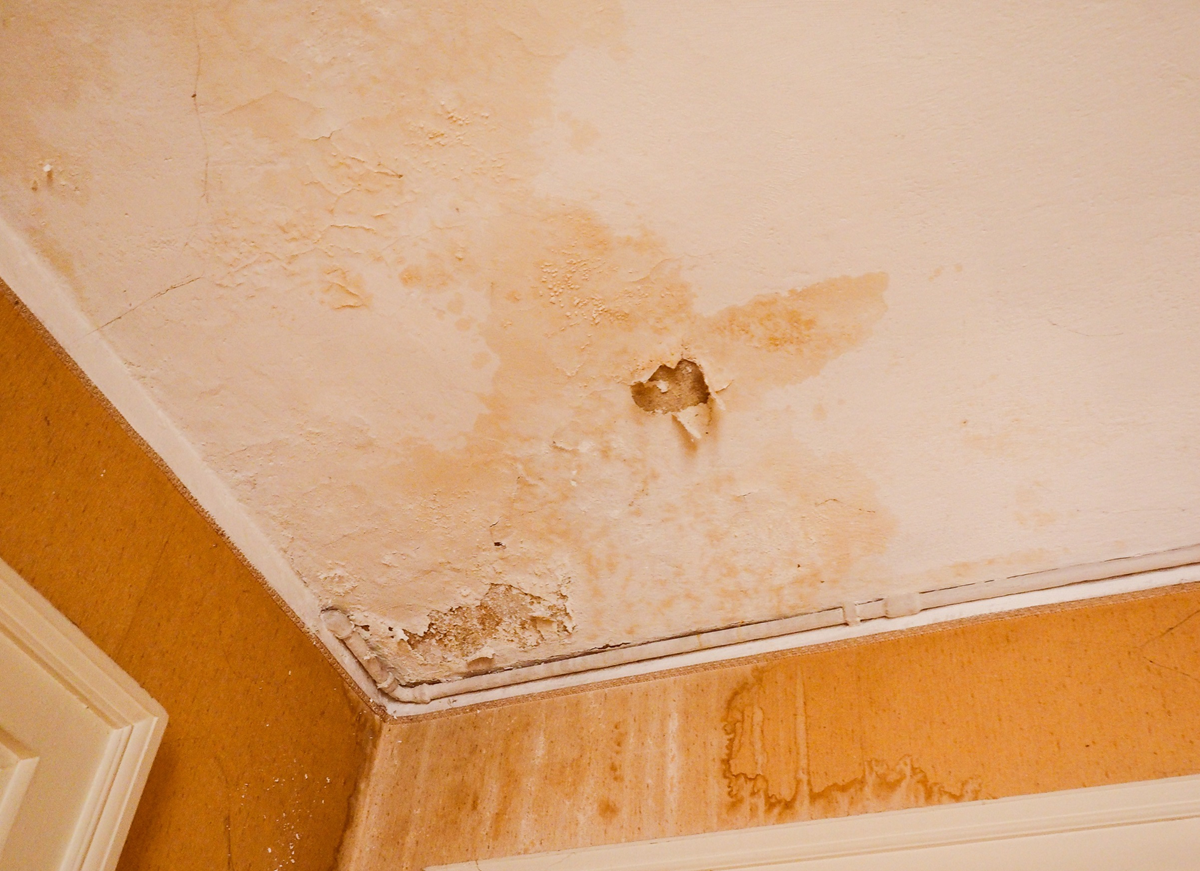
Home Maintenance Tips: Dampness can develop gradually. Initially, a slight damp mark or discoloration may appear on the wall. Later, the paint may begin to swell, and the plaster may weaken.
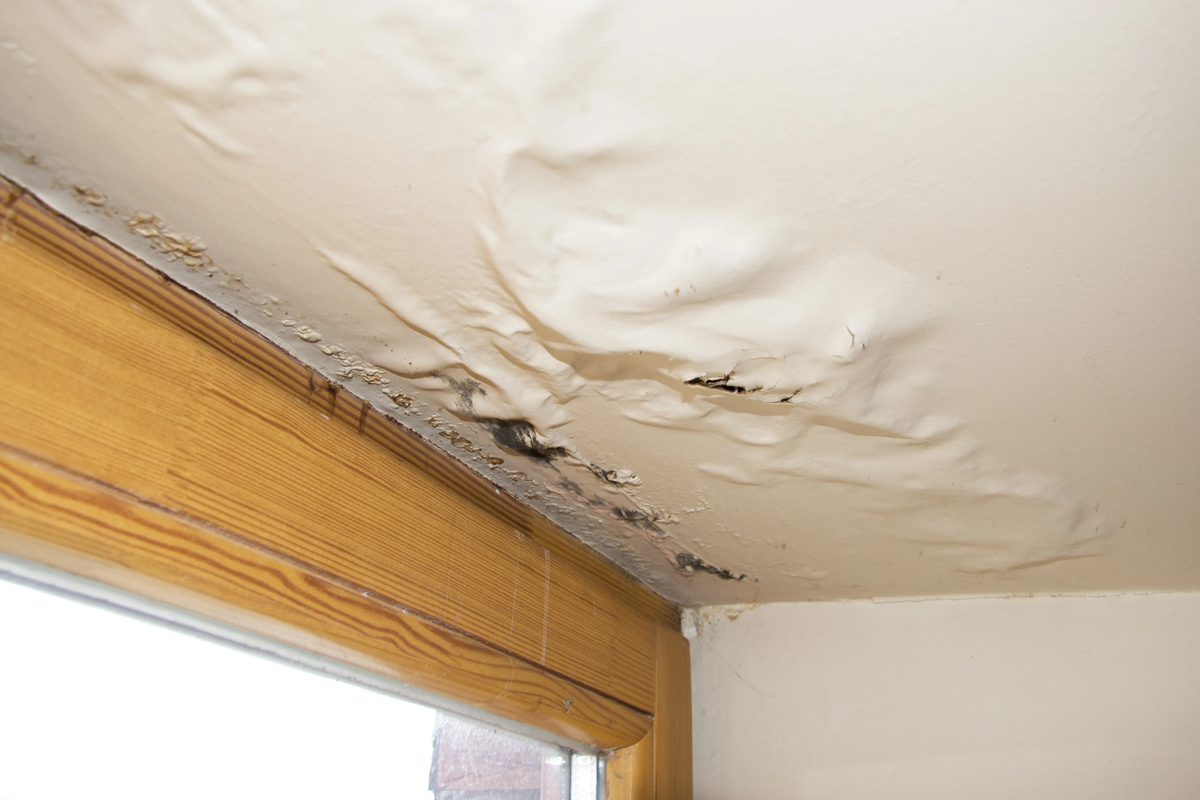
Causes and surefire cures for dampness on walls
Causes of Wall Seepage Without Roof Leak: When dampness is seen on a wall, the first thing we notice is the roof or rainwater. But if water isn't dripping from the roof, yet we still notice problems like moisture, stains, or peeling paint on the wall, the cause could be elsewhere. Sometimes, the water isn't coming from outside, but from a hidden pipe inside the wall, surrounding moisture, or some other part of the house that we don't notice.
The problem of dampness develops gradually. Initially, a slight damp mark or discoloration may appear on the wall. Later, the paint may begin to swell, the plaster may weaken, and white powdery marks may appear in some areas. Therefore, if you notice dampness on the wall despite no water leaking from the ceiling, be sure to check these areas.
Is the hidden pipe inside the wall leaking?
One of the most common causes of dampness on a wall can be a hidden plumbing leak. If a water pipe in a bathroom, kitchen, or wash area is slowly leaking from the inside, no water droplets will be visible on the outside. However, this water can gradually increase the moisture in the wall. If the dampness is on a wall adjacent to a bathroom or kitchen, have the plumbing and its connections checked, especially if a particular area of the wall feels consistently damp or cold.
Is the moisture from the bathroom reaching the walls?
Water doesn't always need to seep directly into the wall. Steam and moisture generated during bathing can accumulate on the walls if left unvented. If this continues for a long time, it can lead to mold in corners, around windows, and at ceiling joints. Running an exhaust fan in the bathroom and ensuring adequate ventilation after use can help alleviate this problem.
Don't ignore the wall adjacent to the kitchen.
Steam and moisture generated during cooking can also affect surrounding walls. If the kitchen lacks proper ventilation, moisture can gradually accumulate on the walls. For kitchen walls that repeatedly peel or develop dark spots, it's important to identify the source of the moisture rather than simply repainting.
Is there a crack in the outer wall?
Sometimes, rainwater doesn't enter through the roof, but through exterior walls. Small cracks, damaged plaster, or worn paint can provide a way for water to enter. If dampness increases significantly in a particular area after a rainstorm, be sure to inspect the exterior of that wall. Cracks around windows and wall joints should also be carefully inspected, as these are likely the sources of water penetration.
Does water accumulate around windows and doors?
Even a small gap between the window frame and the wall can cause dampness. If water accumulates around the frame during rain and there is no proper sealing, moisture can slowly seep into the wall. If dampness is only visible around the window, it's best to have the sealing and exterior of the frame inspected.
Is there too much humidity in the house?
Drying clothes indoors, poor ventilation, constantly closed rooms, and a lack of sunlight can also increase moisture in walls. Such dampness often appears in corners, behind cupboards, and around windows. If dark spots or mold appear on the wall, simply painting the area won't completely eliminate the problem. Maintaining proper airflow in the room is essential.
Be sure to look at the wall behind the wardrobe.
Large cupboards or furniture placed too close to the wall restricts ventilation behind them. This can trap moisture, leading to mold or dampness. If the dampness is limited to the cupboard, move the furniture slightly to allow the wall to dry out and identify the source of the moisture in that area.
Just painting will not solve the problem.
Repeatedly repainting a damp wall may seem like an easy solution, but if the source of the water or moisture remains, the problem may reappear after some time. It's important to first identify the source of the moisture. Then, fix any cracks, plumbing, exterior walls, ventilation, or waterproofing issues.