FOOD & RECIPE
Butter in Dal Makhani: How much butter should be added to dal makhani for 4 people? Learn the robust recipe.
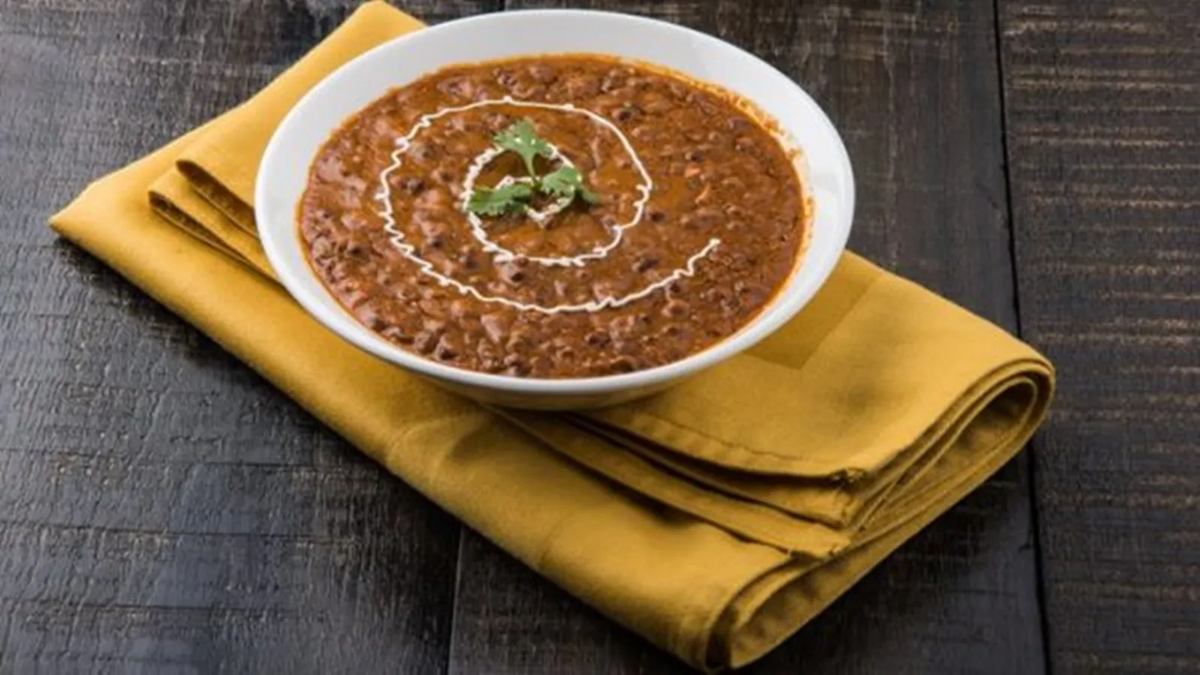
Dal Makhani: Simply adding a lot of butter doesn't make dal makhani restaurant-style. Its true flavor comes from mixing all the ingredients, adding butter and cream, and cooking it over low heat.
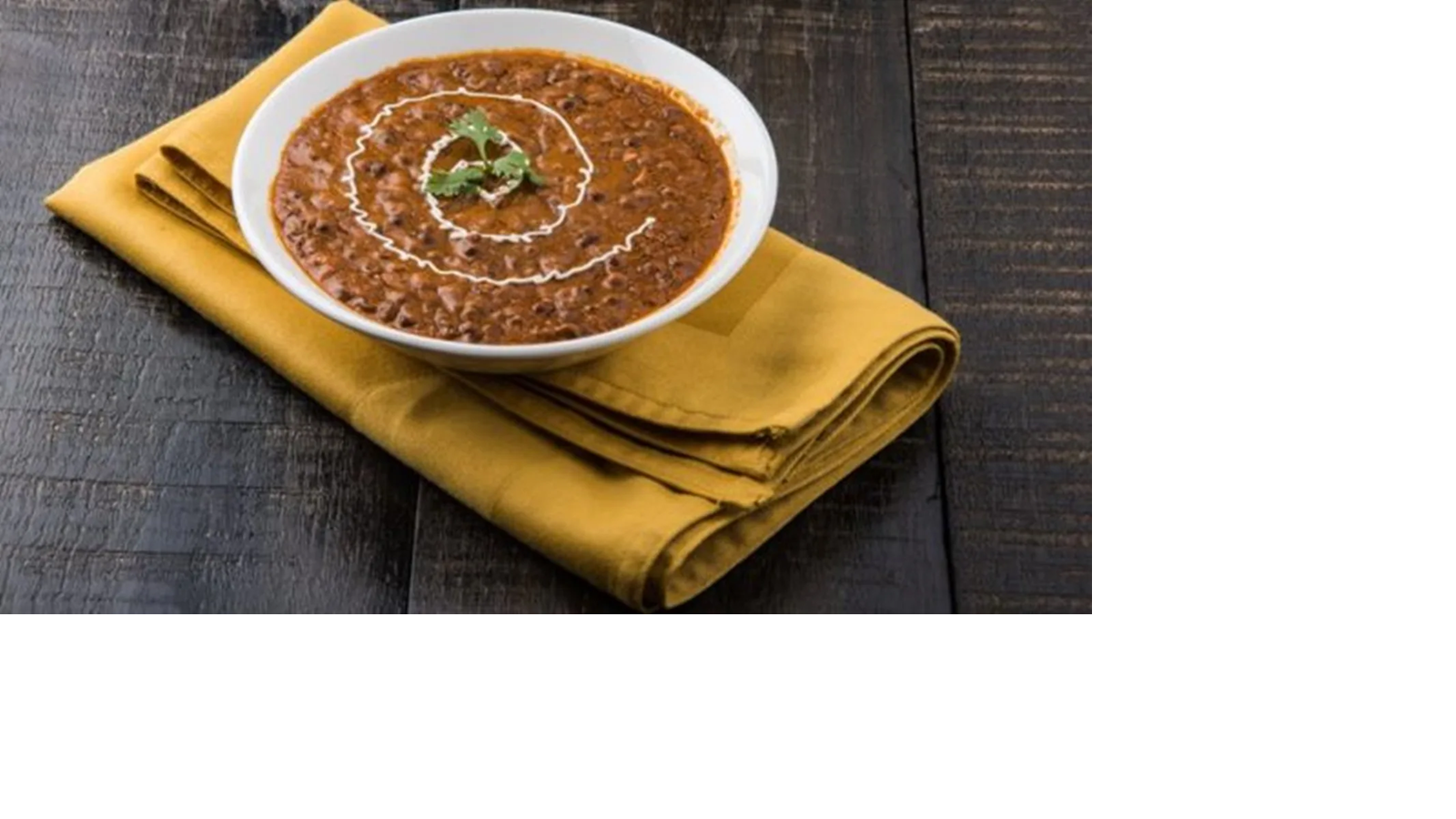
How much butter should be added to Dal Makhani?
How Much Butter To Add In Dal Makhani: The first thing that comes to mind when we think of dal makhani is its creamy texture and the butter visible on top. The lower the heat, the more delicious and creamy this dal becomes. But when making dal makhani at home, one question that often lingers is how much butter should be added for 4 people.
Simply adding more butter doesn't make dal makhani restaurant-style. Its true flavor comes from thoroughly cooking the whole urad dal and rajma, properly sautéing the spicy tomato gravy, and finally adding butter and cream and cooking it over low heat. About 30 grams of butter, or about 2 tablespoons, is sufficient for 4 people. Adding about half a cup of fresh cream gives the dal its thick and creamy taste.
Ingredients for Dal Makhani
For 4 people, you need 1 cup whole urad dal and about 1/4 cup kidney beans. Additionally, take 1 medium onion, about 25 grams ginger, 2 green chilies, 2 large cardamoms, 2 bay leaves, and salt to taste. For the tomato gravy, take about 500 grams ripe tomatoes, 2 tablespoons ghee or oil, half a teaspoon cumin seeds, a pinch of asafoetida, 1 tablespoon ginger-garlic paste, 1 teaspoon red chili powder, 1 teaspoon garam masala, and salt. Finally, add 30 grams butter, 3 to 4 cloves chopped garlic, 1 teaspoon kasuri methi, 1/4 teaspoon garam masala, and half a cup fresh cream.
Do not forget to soak the lentils overnight.
The first step to making excellent dal makhani is to soak the whole urad dal and rajma (kidney beans) for a sufficient amount of time. Clean them and soak them in water overnight, or for at least 8 hours. The next day, drain the water and wash the dal and rajma thoroughly. Place them in a pressure cooker with about 1200 ml of water. Add cardamom, bay leaves, salt, finely chopped onion, ginger, and green chilies.
Cook the lentils until the urad dal and rajma (kidney beans) are completely soft. This should take approximately 30 to 35 minutes in a pressure cooker over medium-low heat. The lentils should be soft enough to be easily pressed with a spoon.
Now prepare the tomato masala.
Heat 2 tablespoons of ghee or oil in a heavy-bottomed pan. Add cumin seeds and asafoetida. When the cumin seeds begin to crackle, add the ginger-garlic paste and fry until the raw aroma subsides. Add the red chili powder and garam masala and fry for about 30 seconds. Then, add the crushed tomatoes and salt and cook over low heat. Don't rush this process. Cook the tomatoes until the excess water evaporates and the oil begins to separate from the edges of the spices. This stage significantly enhances the flavor of the dal.
Cook the lentils and spices on low heat.
Now, mix the prepared tomato masala into the cooked lentils and kidney beans. Let it simmer over low heat for at least 30 to 45 minutes. Stir the lentils occasionally to prevent them from sticking to the bottom. If the lentils become too thick, add a little water. A good dal makhani should be neither too thin nor too thick to be difficult to stir.
How much butter should I add at the end?
This is the most important part of this recipe. About 30 grams of butter, or about 2 tablespoons, is sufficient for 4 people. Melt the butter in a small pan and add chopped garlic, sautéing until lightly golden. After turning off the heat, add the kasuri methi (whole fenugreek leaves) and a little garam masala. Now, pour this hot garlic-butter directly into the dal. After adding the butter, cook the dal on low heat for a few minutes. Finally, turn off the heat and add half a cup of fresh cream. There's no need to cook the dal on high heat after adding the cream. Serve hot, topped with a little cream, kasuri methi (whole fenugreek leaves), and a little butter if desired. It can be eaten with naan, roti, or basmati rice.