Lung Health Tips: The lungs are among the body's most essential organs, responsible for supplying oxygen to the bloodstream and removing carbon dioxide. Most people have two lungs working together to support breathing and other vital functions. But what happens when one lung becomes severely damaged or must be surgically removed?
Conditions such as lung cancer, serious infections and traumatic injuries can sometimes make it necessary for doctors to remove an entire lung. This raises an important question: Can someone survive and continue living a relatively normal life with just one lung?
The answer is yes. Many people can live for years, and sometimes enjoy a long and fulfilling life, with only one functioning lung. However, their ability to perform daily activities depends on several factors, including the health of the remaining lung, heart function, age and overall physical fitness.
Understanding how the body adjusts to having one lung can help patients and their families make informed decisions about treatment, recovery and long-term respiratory care.
Can One Lung Supply Enough Oxygen to Keep You Alive?
The human respiratory system normally relies on two lungs to exchange oxygen and carbon dioxide. However, both lungs are not always necessary for survival.
A single healthy lung can often provide sufficient oxygen for the body's essential needs, particularly while a person is resting or performing light activities.
When one lung is removed, the remaining lung continues carrying out gas exchange. The body gradually adapts to the reduced breathing capacity, although the remaining lung does not simply grow into a complete replacement for the missing one.
For many patients, this adaptation allows them to perform routine activities without requiring continuous oxygen support.
However, breathing capacity may be significantly affected if the remaining lung has an existing condition such as chronic obstructive pulmonary disease (COPD), pulmonary fibrosis or another respiratory illness.
Heart health is also important because the cardiovascular and respiratory systems work together to deliver oxygen throughout the body.
What Happens When Doctors Remove an Entire Lung?
The surgical removal of a complete lung is known as a pneumonectomy.
This major operation is performed when doctors determine that removing the affected lung is necessary and that the patient is likely to tolerate the procedure.
A pneumonectomy may be considered in certain circumstances, including:
- Lung cancer that cannot be adequately treated through a smaller surgical procedure.
- Severe lung damage resulting from particular infections.
- Serious injuries affecting major structures within the lung.
- Selected medical conditions involving extensive or irreversible lung damage.
Doctors generally evaluate whether a smaller operation could achieve the treatment objective before recommending removal of an entire lung.
Depending on the disease and its location, surgeons may remove only one lobe of a lung, a procedure called a lobectomy, rather than performing a complete pneumonectomy.
Before surgery, patients usually undergo detailed assessments of lung function, cardiovascular health and overall fitness.
These examinations help doctors estimate the risks associated with surgery and the patient's expected breathing capacity afterward.
Can Someone With One Lung Walk, Work and Exercise?
Yes. Many individuals who have undergone lung removal surgery eventually return to regular activities, including walking, household responsibilities and employment.
However, recovery is gradual, and physical limitations differ from person to person.
During the initial recovery period, patients may experience breathlessness, tiredness and reduced stamina.
Activities that previously felt easy, such as climbing stairs or walking quickly, may require more effort.
Some people also notice that they become tired sooner during physically demanding tasks.
Common challenges after lung removal can include shortness of breath during exertion, difficulty performing strenuous exercise, reduced endurance and discomfort while carrying heavy objects.
These symptoms may improve as the body adjusts and the patient becomes stronger.
Nevertheless, physical performance may not return to the same level experienced before surgery.
A person's recovery depends on their previous fitness, the reason for lung removal, the condition of the remaining lung and whether complications develop.
How Long Can a Person Live With One Lung?
There is no single life expectancy that applies to everyone living with one lung.
Some individuals live for many years following surgery, while others may face significant health challenges.
Life expectancy is influenced by the underlying medical condition, rather than simply by the number of lungs a person has.
For example, someone who undergoes lung removal because of cancer may have a different long-term outlook from a patient whose lung was removed following an injury.
Other important factors include cardiovascular health, existing respiratory diseases, age and access to appropriate medical care.
Patients should discuss their individual prognosis with their treating specialist, who can provide guidance based on medical history, test results and treatment outcomes.
How Does the Body Adjust After Losing One Lung?
Following pneumonectomy, the chest undergoes several physical changes.
The space previously occupied by the removed lung gradually changes as surrounding structures adjust. Fluid may accumulate in the surgical space as part of the expected healing process.
The remaining lung may expand somewhat, helping the body make use of the available breathing capacity.
However, this adaptation does not restore the full lung capacity that existed before surgery.
Over time, patients may become better at managing physical activities through gradual conditioning and rehabilitation.
Doctors may recommend breathing exercises, supervised physical activity or pulmonary rehabilitation to support recovery.
The appropriate programme depends on the patient's condition and should be planned with medical professionals.
Six Important Ways to Protect Your Health With One Lung
People living with one lung should take particular care to protect their remaining respiratory capacity.
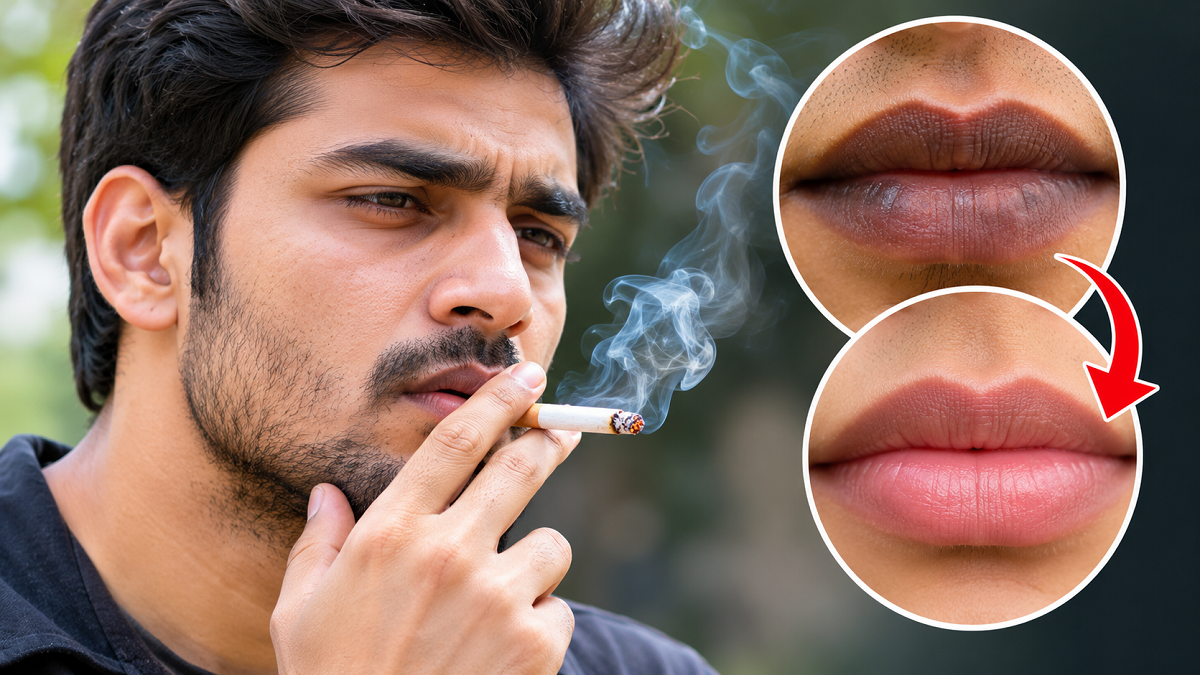
1. Avoid Smoking Completely
Smoking damages lung tissue and increases the risk of serious respiratory and cardiovascular diseases.
For someone with only one lung, protecting the remaining healthy tissue is especially important.
Avoid cigarettes, vaping and exposure to secondhand smoke.
2. Stay Physically Active Within Your Limits
Regular physical activity can support cardiovascular fitness, muscle strength and general well-being.
Walking is often a useful starting point, but exercise intensity should be determined in consultation with a healthcare professional.
Patients recovering from surgery should follow their rehabilitation instructions and avoid suddenly increasing physical exertion.
3. Attend Regular Medical Appointments
Follow-up examinations allow doctors to monitor respiratory function, recovery and any underlying medical condition.
Depending on the patient's circumstances, doctors may recommend pulmonary function tests, imaging studies or other investigations.
4. Take Respiratory Infections Seriously
Infections such as influenza and pneumonia can affect breathing, particularly when respiratory reserve is limited.
Patients should seek medical advice if they develop fever, persistent coughing or worsening breathing symptoms.
Sudden or severe shortness of breath requires urgent medical attention.
5. Discuss Recommended Vaccinations
Vaccination can help reduce the risk of certain respiratory infections.
People with reduced lung capacity should discuss influenza, pneumococcal, COVID-19 and other recommended vaccines with their healthcare provider.
The appropriate schedule depends on age, medical history and current vaccination guidelines.
6. Follow a Balanced Lifestyle
Adequate nutrition, sufficient sleep and appropriate physical activity can support recovery and overall health.
Patients should also avoid unnecessary exposure to dust, smoke and other environmental irritants that may worsen respiratory symptoms.
Is Oxygen Support Always Necessary With One Lung?
Not necessarily.
Many people living with one healthy lung maintain adequate blood oxygen levels without supplemental oxygen, particularly during rest and ordinary activities.
However, some patients may require oxygen therapy if their blood oxygen levels fall below medically acceptable limits.
This may occur because of reduced lung function, an underlying respiratory disorder or complications following surgery.
Doctors determine whether oxygen treatment is needed through clinical evaluation and oxygen measurements.
Patients should never begin or change prescribed oxygen therapy without medical guidance.
When Should Someone With One Lung Seek Immediate Medical Help?
People with reduced respiratory capacity should pay attention to significant changes in their breathing.
Sudden breathlessness, severe chest pain, blue or grey discolouration of the lips, confusion or fainting may indicate a medical emergency.
Such symptoms require immediate medical assessment.
Persistent fever, worsening cough or gradually increasing breathlessness should also be discussed promptly with a healthcare professional.
Early evaluation can help identify complications and guide appropriate treatment.
Final Thoughts
Living with one lung is medically possible, and many individuals can return to meaningful daily activities after recovering from surgery.
A healthy remaining lung can often meet the body's basic oxygen requirements, although physical endurance may be lower than before.
The long-term outlook depends on the patient's underlying disease, heart health, remaining lung function and overall medical condition.
Avoiding tobacco, staying appropriately active, following vaccination recommendations and attending regular medical appointments are important steps toward protecting respiratory health.
Medical Disclaimer: This article is intended for general educational purposes and does not replace professional medical advice. Patients with serious lung disease or a history of lung surgery should follow guidance from their treating healthcare team.