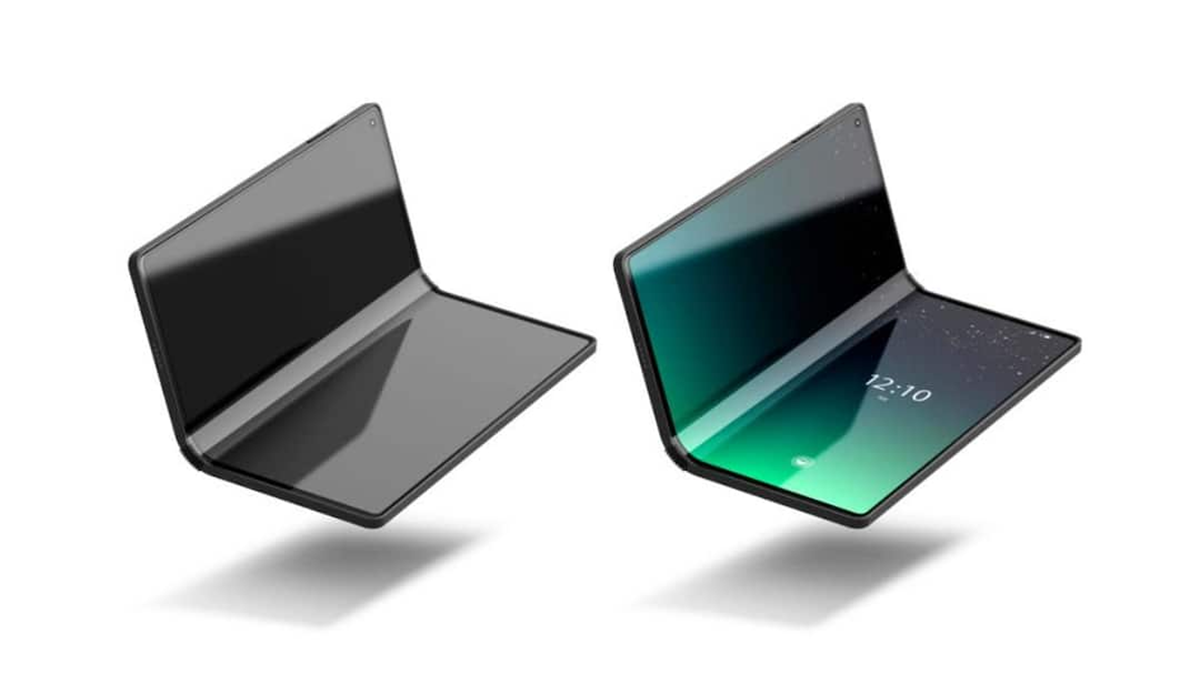
Can foldable phones replace tablets with larger screens and portability? Find out which users might find foldable phones a better option.
Can a foldable phone replace a tablet?
Foldable smartphones have improved rapidly over the past few years. Larger inner screens, better multitasking, and pocket-friendly designs set them apart from regular phones. Now, the question arises: could a foldable phone even eliminate the need for compact tablets? Especially since some foldable phones have screens that are almost as large as small tablets.
In terms of size, book-style foldable phones are considered the best. For example, the current iPad Mini has an 8.3-inch screen, while foldable phones like the Pixel 11 Pro Fold and Galaxy Z Fold 8 Ultra offer internal screens around 8 inches. The iPhone Duo's 7.6-inch screen is also very close to this range. This means that the difference between the two devices in terms of screen size is constantly decreasing.
The biggest advantage of a foldable phone is that it can be used like a normal smartphone when closed, and then unfolded to reveal a larger screen when needed. This could reduce the need for users to carry both a phone and a smaller tablet separately.
Mobile data can also be saved
Using mobile connectivity with a tablet often requires a separate data plan. A foldable phone, on the other hand, is already connected to the mobile network. This means you can handle calls, messages, internet access, video, gaming, and browsing on a larger screen all from a single device.
This feature can prove to be more beneficial while traveling as the user has less worry about hotspot or separate connection between the phone and tablet.
But tablets for work are still ahead.
A foldable phone can't replace a tablet in every situation. If the tablet is used for long-term work, video editing, graphic design, large documents, or multitasking, a tablet with a larger screen may be more convenient.
It's possible to run two or three apps simultaneously on a foldable phone, but working on the smaller form factor for extended periods of time may not be as comfortable as a tablet. Furthermore, constantly using the foldable on the larger display puts more strain on the battery.
Foldable phones still have some drawbacks
For your information, foldable designs do require some additional compromises. The hinge and folding display add to the phone's cost and complexity. The device may be heavier and thicker than a normal smartphone, and a fold crease may be visible on the inner screen under certain conditions.
Software also doesn't always take full advantage of the larger screen. Some apps aren't fully optimized for the foldable display, and their interface can simply appear stretched when opened.
For whom is a foldable phone a better option?
If a person primarily uses a tablet for light tasks like watching videos, social media, web browsing, gaming, or reading while traveling, a foldable phone can combine these needs into a single device.
At the same time, for those who consider a tablet a necessary device for long-term work, owning a separate tablet may be more practical for now. In other words, a foldable phone can largely serve as a compact tablet, but it's not a complete tablet replacement for every user.