NEWS
Buying Land in Hill States? Check Property Rules in Himachal, Uttarakhand, J&K and the Northeast
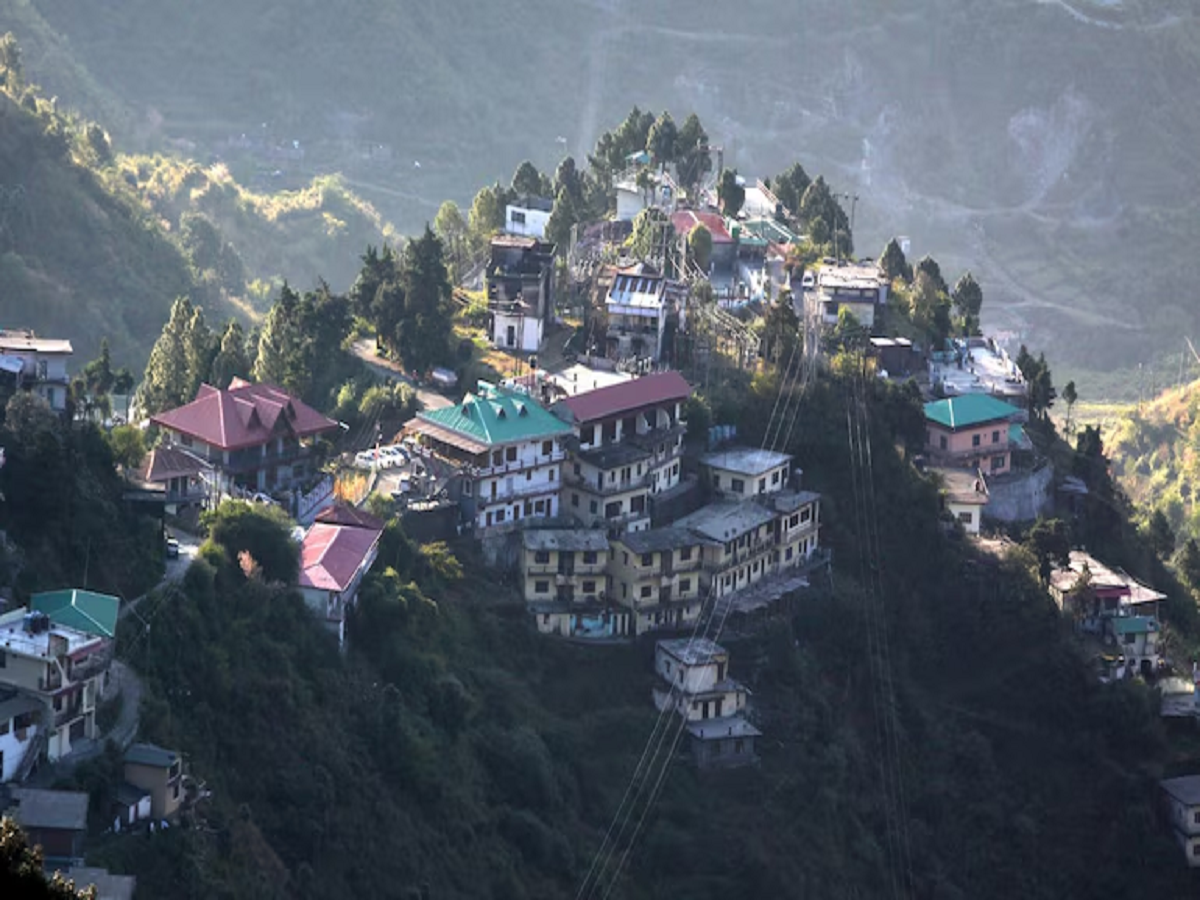
Property Rules in Hill States: Owning a house in the mountains is a dream for many people, but purchasing land in India's hill and northeastern states can be far more complicated than buying property in many other parts of the country.
States and Union Territories such as Himachal Pradesh, Uttarakhand, Jammu and Kashmir, Sikkim, Arunachal Pradesh, Nagaland, Mizoram and Meghalaya follow different land ownership and transfer rules. In several regions, agricultural, tribal or protected land cannot be freely purchased by people who do not meet the prescribed eligibility conditions.
These restrictions are generally designed to protect local communities, agricultural land, traditional ownership systems and environmentally sensitive areas.
Therefore, anyone planning to buy a plot for a holiday home, retirement property or permanent residence in the hills should first understand the applicable state law instead of assuming that the same property rules apply everywhere in India.
Why Buying Land in Hill States Can Be Complicated
Land is limited in mountainous regions, and rapid construction can create pressure on local infrastructure, water resources, forests and fragile slopes.
Another major concern is affordability for residents. If unrestricted demand from buyers outside the state pushes land prices sharply higher, local families may find it increasingly difficult to purchase property.
In several northeastern states, land is also closely connected with tribal identity and customary community rights.
For these reasons, governments have introduced restrictions on the transfer of certain categories of land.
However, this does not mean that every outsider is completely prohibited from owning property in every hill state. Rules differ significantly depending on the location, type of land, intended use and legal status of the purchaser.
Himachal Pradesh Has Special Rules for Land Purchases
Himachal Pradesh has some of India's best-known restrictions relating to the purchase of land by non-agriculturists.
Section 118 of the Himachal Pradesh Tenancy and Land Reforms Act, 1972 places restrictions on transfers of land in favour of certain non-agriculturists. The state Revenue Department itself notes that the law restricts non-agriculturists from purchasing agricultural land in the state. (Himachal Pradesh)
That does not necessarily amount to an absolute ban in every case.
There is a mechanism under which permission may be sought for the purchase or transfer of land or a built-up structure in circumstances permitted by law. The Himachal Pradesh government also provides a formal application process under Section 118 for such permissions. (Himachal Pradesh)
This means buyers should check the classification of the property, their own eligibility and whether prior government approval is required before paying a substantial advance.
What About Uttarakhand?
Uttarakhand also has restrictions and conditions relating to certain categories of land, particularly agricultural holdings and purchases in sensitive areas.
However, property rules can vary depending on factors such as the size of the plot, land classification, district and intended use.
A residential plot in an approved urban development may therefore be treated differently from agricultural land in a rural or hill area.
Anyone purchasing land in Uttarakhand should verify the latest revenue records, land-use classification and state regulations before entering into a sale agreement.
This is particularly important because state governments can amend land laws and limits over time.
Jammu and Kashmir Rules Changed After 2019
The legal framework governing property in Jammu and Kashmir changed substantially following the constitutional and legislative changes introduced after 2019.
However, buyers should not interpret those changes as meaning that every category of land can now be purchased without restriction.
Agricultural land continues to have specific protections. According to the Jammu and Kashmir Registration Department, transfer of land from an agriculturist to a non-agriculturist can require permission from the concerned Deputy Commissioner, subject to specified conditions. (JK Grievance Redressal System)
The approved use of the land may also matter, and conditions can be imposed regarding how and when the property is utilised.
Therefore, a buyer considering land in Jammu and Kashmir should confirm whether the plot is agricultural, residential, commercial or subject to any other restriction before proceeding with the transaction.
Northeast India Has Stronger Community-Based Land Protections
Property ownership rules in several northeastern states are particularly sensitive because traditional tribal and community land systems play an important role.
States such as Arunachal Pradesh, Nagaland, Mizoram, Meghalaya and Sikkim have special legal frameworks or customary arrangements governing the transfer and ownership of land.
In many such areas, outsiders cannot simply purchase land in the same manner as they could in a conventional urban property market elsewhere in India.
Some regions are also protected through special constitutional, statutory or customary provisions intended to preserve the rights of indigenous communities.
Arunachal Pradesh
Arunachal Pradesh follows a protected-entry regime under the Inner Line Permit system for Indian citizens entering the state, reflecting the region's special legal and historical framework. (EILP Arunachal)
Land ownership itself is also closely linked to local and tribal rights.
Prospective buyers should therefore not assume that obtaining permission to enter or live in the state automatically gives them the right to purchase land.
Land transactions require separate legal scrutiny.
Sikkim
Sikkim also has special legislation governing the transfer of land.
The state's Sikkim Regulation of Transfer of Land Act contains provisions under which permission may be required for certain land purchases or transfers. (Sikkim Government)
This makes buyer eligibility an important part of the due-diligence process.
Different restrictions may apply depending on the category of land and the status of the parties involved.
Nagaland, Mizoram and Meghalaya
Landholding structures in Nagaland, Mizoram and Meghalaya can be significantly different from those found in most Indian states.
Large areas may be governed by tribal, community or customary ownership systems.
As a result, purchasing property in these states can involve restrictions relating to non-tribal or non-local buyers.
A person interested in acquiring land should obtain advice based on the specific district and property rather than relying on broad assumptions about state-wide ownership rights.
Agricultural and Residential Land Are Not the Same
One of the biggest mistakes buyers make is assuming that all land is legally interchangeable.
A plot described casually as "land for a house" may actually be recorded as agricultural land in revenue documents.
Agricultural land can carry substantially tighter restrictions than residential land.
Similarly, tribal land, forest-linked property and land located in environmentally sensitive zones may come with additional limitations.
Before buying, purchasers should verify the official land classification rather than depending only on a seller or property broker's description.
Why Hill States Restrict Property Purchases
There are several reasons behind such regulations.
First, mountainous states have limited habitable land compared with large plains.
Second, local economies may depend heavily on agriculture, forests and traditional landholdings.
Third, excessive real-estate development can put pressure on water supply, roads, drainage and waste-management infrastructure.
Unplanned construction can also increase environmental risks in landslide-prone regions.
Finally, in parts of Northeast India, land represents more than an economic asset. It is closely connected to community identity, inheritance and traditional rights.
Property laws therefore attempt to balance investment and development with local interests.
Check These Details Before Buying a Hill Property
Anyone considering land in a hill state should conduct extensive legal due diligence before paying for the property.
The buyer should verify the title, mutation and revenue records, land classification, access road, building permissions and whether the property is subject to agricultural, tribal, forest or environmental restrictions.
It is also important to check whether the seller is legally entitled to transfer the property and whether the buyer requires permission from the state government, Deputy Commissioner, revenue authority or another department.
Construction rules should be examined separately because legal ownership of a plot does not automatically guarantee permission to build the type of house or commercial property the buyer wants.
The Bottom Line
Buying a home in the mountains is possible in many situations, but the process can be very different from purchasing an apartment or plot in a major city.
Himachal Pradesh has restrictions under Section 118 for certain land transfers involving non-agriculturists, while Jammu and Kashmir retains specific conditions for categories such as agricultural land. Several northeastern states have even stronger protections linked to tribal and customary land rights. (Himachal Pradesh)
The most important rule for prospective buyers is simple: do not assume that being an Indian citizen automatically gives you unrestricted rights to purchase every type of land in every state.
Before signing an agreement or transferring money, buyers should verify the latest state law and obtain a title and land-use review from a qualified local property lawyer or revenue professional.
Disclaimer: Land laws are state-specific and may change through amendments, notifications and local regulations. This article is for general information and should not be treated as legal advice.