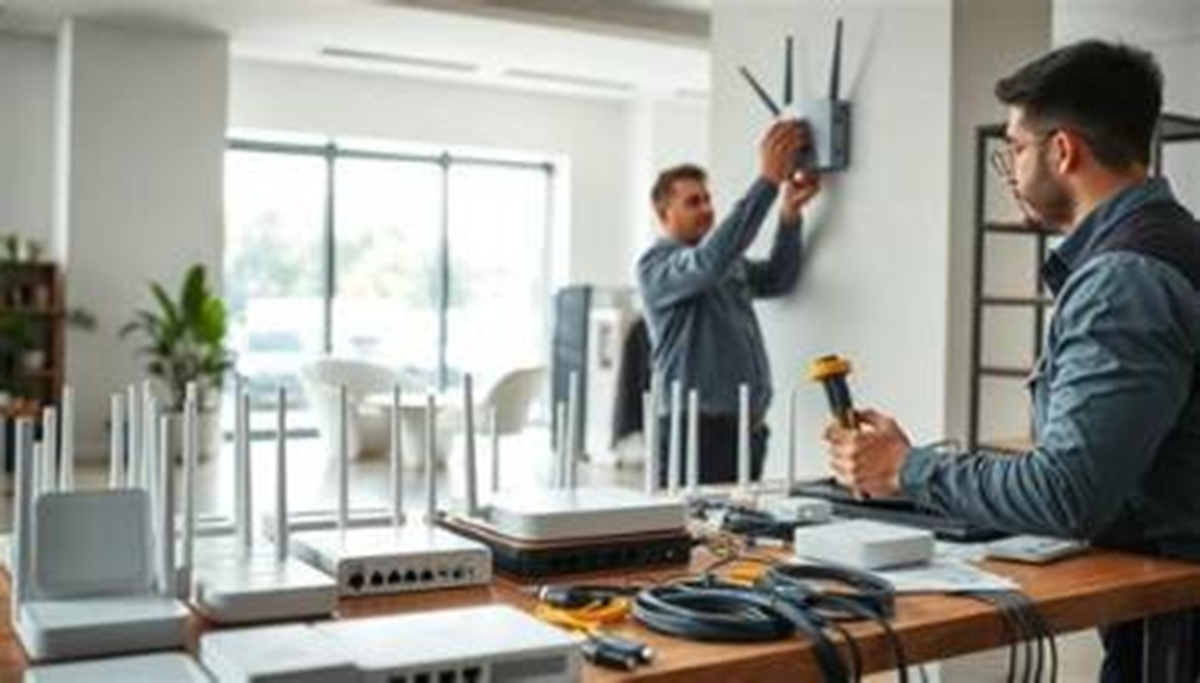
When installing Wi-Fi for your home, there's often confusion between wired and wireless connections. Is wired or wireless internet better for your home? Find out in this article.
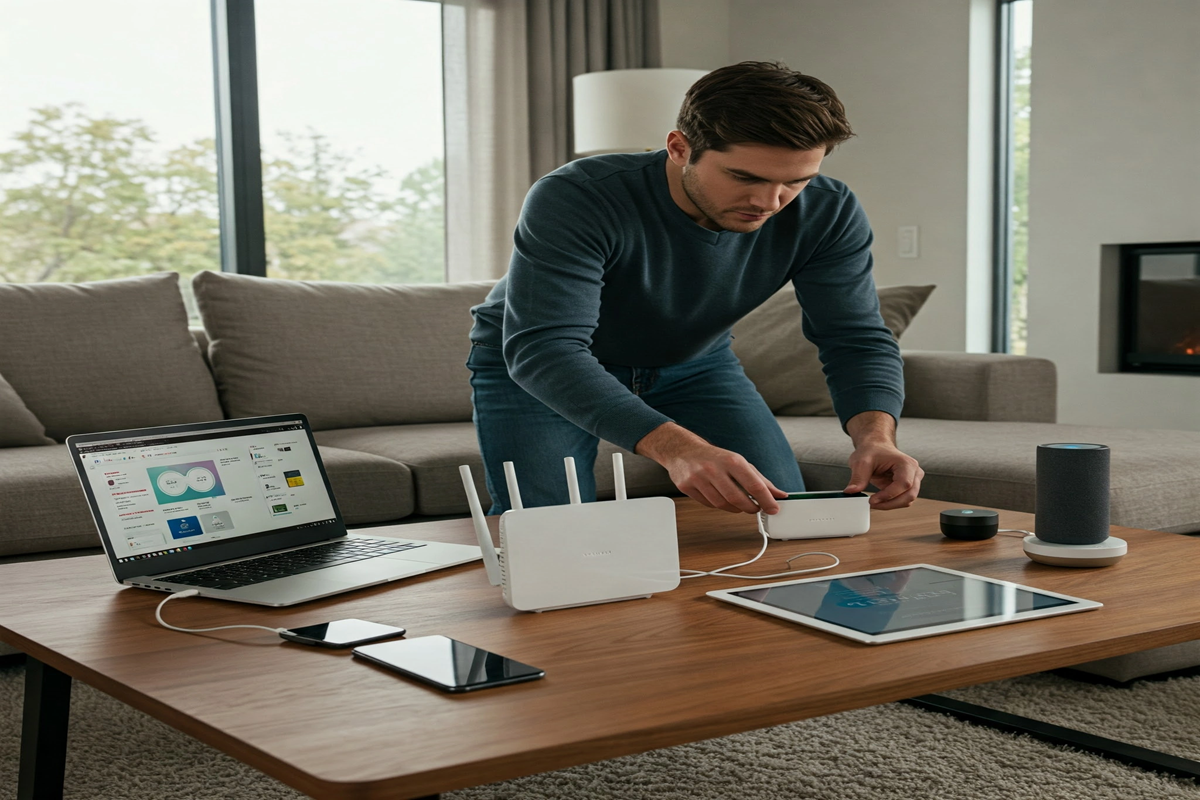
The internet has become such an essential part of many people's lives that even a moment without it seems difficult. Whether it's working from home, attending online classes, or watching movies on OTT platforms, the internet is needed everywhere. To meet this need, most people have a WiFi connection at home.
When we consider installing a new WiFi connection in our homes, the biggest question is whether we should opt for a wired connection or a wireless one. Both options have their own advantages and drawbacks, which should be considered beforehand.
Many people, in their quest for a quick connection, choose the wrong connection and later face problems with slow speeds and buffering. If you're considering a new internet connection for your home these days, learn which would be better for your home: a wired connection or a wireless connection.
Advantages of a wired connection
First, let's talk about a traditional wired internet connection, which delivers internet directly to your home via fiber-optic, coaxial cable, or telephone lines. The biggest advantage of this type of connection is its super-fast speeds and excellent stability. Since data travels directly to your modem via a physical cable, there's no risk of signal loss or surrounding obstructions.
Reports suggest that wired connections are more stable than wireless ones and easily deliver impressive speeds of 1 to 5 Gbps. If multiple people in your household are gaming online, downloading large files, or constantly streaming 4K video, a wired connection is best for you. Furthermore, this connection offers unlimited high-speed data at a low cost.
Advantages of a wireless connection
Now, if we talk about wireless internet connections, it eliminates the need for any wires inside the home. This technology involves installing a small gateway device, or router, in your home. Just like your mobile phone, it connects directly to a nearby 5G or 4G tower and receives internet signals. The biggest advantage of this connection is its ease of installation. You don't need to drill holes in your walls or hide long wires.
You can easily turn it on by plugging the main router into the power supply yourself. This is ideal for those who live in rented homes, streets, or societies that don't have fiber cables. While it doesn't offer the same raw speed as a wired connection, it's still a very convenient and comfortable option for general browsing, social media, and everyday tasks.
Which option is right for your home?
Now the question arises: which of these options will be right for you? If you're a user who needs fast speeds without interruptions, enjoys online gaming at home, and has easy access to fiber cable in your area, then you should blindly choose a wired connection. It provides excellent performance over a long period of time without any problems and is also within your budget.
If you're someone who frequently moves house, don't want the hassle of rewiring, and don't have extensive needs, then wireless internet might be perfect for you. Make a decision based on your needs and budget.