LIFESTYLE
Air Pollution Can Damage Your Skin Too: 5 Essential Skincare Tips to Prevent Dryness and Early Ageing
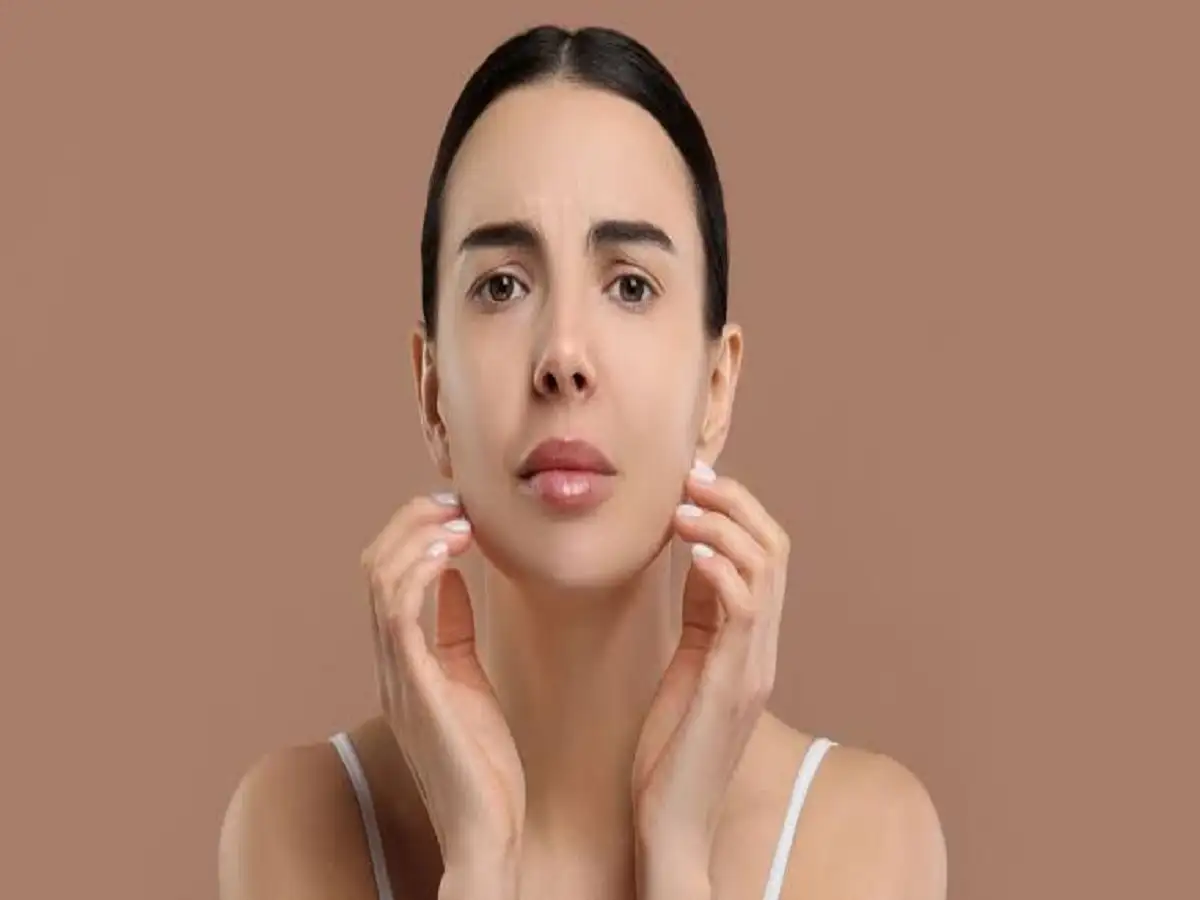
Air Pollution and Skin Health: Air pollution is generally associated with breathing difficulties, lung problems, and respiratory diseases. However, polluted air can also affect the health and appearance of your skin. As air quality deteriorates in several parts of India, dermatologists and researchers are drawing attention to the possible effects of prolonged exposure to harmful airborne particles.
In areas where the Air Quality Index (AQI) rises above 300, pollution levels fall into the "very poor" category under India's air quality classification system. Such conditions can create health concerns, particularly for people who spend considerable time outdoors.
Apart from affecting the respiratory system, exposure to pollutants may contribute to skin dryness, irritation, pigmentation, and signs of premature ageing.
Fine particulate matter, vehicle emissions, dust, and certain airborne chemicals can interfere with the skin's protective functions. Over time, repeated exposure may contribute to oxidative stress and inflammation.
The encouraging news is that a consistent skincare routine, combined with practical steps to reduce pollution exposure, can help protect the skin and maintain its natural moisture barrier.
How Does Air Pollution Affect Your Skin?
The skin acts as the body's first line of defence against environmental factors. Its outermost layer helps retain moisture while limiting the entry of harmful substances.
However, prolonged exposure to polluted air may interfere with these protective functions.
Air pollution contains a mixture of particles and gases, including particulate matter such as PM2.5 and PM10, nitrogen dioxide, and other pollutants.
Research suggests that exposure to some of these substances may contribute to skin inflammation, oxidative stress, and changes in the skin barrier.
The severity of these effects can vary depending on pollution levels, duration of exposure, individual skin sensitivity, and existing skin conditions.
1. Pollution May Weaken the Skin's Natural Barrier
One of the important concerns associated with environmental pollution is its potential effect on the skin barrier.
This protective layer helps prevent excessive water loss and shields the skin from external irritants.
Exposure to airborne pollutants may contribute to inflammation and interfere with normal barrier function.
When the barrier becomes compromised, the skin may lose moisture more easily and become increasingly sensitive.
People with naturally dry or sensitive skin may notice greater discomfort during periods of poor air quality.
Regular moisturizing and gentle cleansing can help maintain the skin barrier, although these measures cannot completely eliminate the effects of pollution.
2. Dryness, Itching and Irritation May Become More Noticeable
Pollution-related irritation can make the skin feel uncomfortable, particularly when combined with cold weather and low humidity.
Some people may experience dryness, redness, itching, or a burning sensation after spending time in polluted environments.
Individuals with existing conditions such as eczema may be especially vulnerable to environmental irritants.
Frequent washing with harsh soaps or using strong skincare products can worsen the problem by removing natural oils from the skin.
Dermatologists generally recommend choosing mild cleansers and fragrance-free moisturizers for people experiencing dryness or sensitivity.
If irritation becomes persistent or severe, professional medical evaluation may be necessary.
3. Environmental Pollution May Contribute to Premature Skin Ageing
Air pollution has also been studied for its possible role in premature skin ageing.
Certain pollutants can promote the formation of reactive oxygen species, which contribute to oxidative stress.
Oxidative stress may affect skin cells and important structural components such as collagen and elastin.
These proteins help maintain the skin's firmness and elasticity.
Over time, environmental damage may contribute to visible ageing changes, including fine lines and wrinkles.
However, skin ageing is influenced by several factors, including genetics, ultraviolet radiation, smoking, lifestyle habits, and overall health.
Pollution is one possible contributing factor rather than the sole cause of premature wrinkles.
4. Dark Spots and Uneven Skin Tone May Develop
Another concern associated with prolonged exposure to environmental pollution is pigmentation.
Some research has identified associations between air pollution exposure and changes in skin pigmentation, including dark spots.
Pollution-related oxidative stress and inflammation may influence processes involved in skin pigmentation.
As a result, individuals exposed to high levels of pollution over long periods may experience changes in skin appearance.
However, pigmentation can also result from sun exposure, hormonal changes, acne, and various medical conditions.
People who notice persistent or unusual changes in skin colour should consult a dermatologist to identify the underlying cause.
5. Pollution May Aggravate Acne and Skin Inflammation
People with acne-prone or sensitive skin may notice worsening symptoms during periods of poor air quality.
Airborne pollutants can contribute to inflammation and may interact with factors involved in acne development.
However, acne is a complex condition influenced by hormones, oil production, clogged pores, and inflammation.
Pollution should not be considered the only explanation for recurring breakouts.
Maintaining a gentle cleansing routine and using non-comedogenic skincare products may help people with acne-prone skin.
Those experiencing persistent acne should seek appropriate dermatological treatment instead of relying entirely on home remedies.
5 Essential Skincare Tips to Protect Your Skin From Air Pollution
Although completely avoiding polluted air may not always be possible, several practical habits can help reduce exposure and support healthier skin.
1. Clean Your Face Gently After Outdoor Exposure
Washing your face after returning home can help remove accumulated dust, sweat, and surface impurities.
Choose a mild facial cleanser that suits your skin type.
Avoid excessive scrubbing, harsh soaps, or repeated washing, as these practices can damage the skin barrier.
For most people, cleansing twice daily is sufficient, although individual needs may vary.
2. Use a Moisturizer to Support the Skin Barrier
Moisturizing is an important part of maintaining healthy skin, particularly when environmental conditions contribute to dryness.
Look for products containing ingredients such as glycerin, ceramides, or hyaluronic acid.
These ingredients can help maintain hydration and support the skin's protective barrier.
People with oily or acne-prone skin may prefer lightweight, non-comedogenic formulations.
Those with dry skin may benefit from thicker creams that reduce moisture loss.
3. Apply Sunscreen Every Day
Sunscreen remains an important part of skincare even when the sky appears hazy or polluted.
Ultraviolet radiation can damage the skin and contribute to premature ageing and pigmentation.
Dermatologists generally recommend using broad-spectrum sunscreen with SPF 30 or higher when appropriate for outdoor exposure.
Apply it according to the product instructions and reapply when necessary, particularly during prolonged outdoor activities.
However, sunscreen primarily protects against ultraviolet radiation and should not be considered a complete shield against airborne pollution.
4. Include Antioxidant-Rich Foods in Your Diet
A balanced diet supports overall skin health and provides nutrients needed for normal cellular functions.
Fruits and vegetables contain vitamins and other compounds that contribute to a nutritious eating pattern.
Foods such as guava, oranges, leafy vegetables, berries, and other seasonal produce can provide useful nutrients.
Vitamin C, for example, plays an important role in normal collagen formation.
However, eating antioxidant-rich foods cannot completely prevent pollution-related skin damage.
A healthy diet should be viewed as one part of an overall approach to skin health rather than a substitute for reducing pollution exposure.
5. Limit Outdoor Activities When Air Quality Is Poor
Reducing exposure to polluted air is one of the most practical ways to lower pollution-related health risks.
Check local AQI updates before planning prolonged outdoor activities.
When pollution levels are particularly high, consider reducing unnecessary time outdoors and avoiding strenuous outdoor exercise.
A properly fitted N95 or equivalent particulate respirator can help reduce inhalation of fine particles when used correctly.
However, masks are primarily intended to protect the respiratory system and should not be relied upon as complete protection for facial skin.
Maintaining cleaner indoor air, when possible, may also help reduce overall exposure.
Why a Simple Skincare Routine Is Better Than Using Too Many Products
During periods of high pollution, some people begin using multiple cleansers, scrubs, serums, and skincare treatments in an attempt to protect their skin.
However, excessive product use can sometimes increase irritation, particularly in people with sensitive skin.
A basic routine consisting of gentle cleansing, moisturizing, and appropriate sun protection is often a sensible starting point.
People who want to introduce additional skincare ingredients should choose products suitable for their skin type and avoid combining potentially irritating treatments without guidance.
If persistent redness, itching, pigmentation, or acne develops, a dermatologist can recommend appropriate treatment.
Final Takeaway: Protect Your Skin Along With Your Lungs
Air pollution is not only a respiratory health concern. Research indicates that prolonged exposure to environmental pollutants may also affect the skin barrier, contribute to inflammation, and influence visible signs of skin ageing.
While skincare products cannot completely prevent pollution-related damage, consistent habits may help maintain healthier skin.
Gentle cleansing, regular moisturizing, daily sun protection, a balanced diet, and reducing unnecessary pollution exposure are practical steps worth following.
People with existing skin conditions or persistent symptoms should consult a qualified dermatologist for individual advice.
Health Disclaimer: This article is intended for general health awareness and does not replace professional medical advice. Anyone experiencing persistent skin irritation, severe allergic reactions, or other concerning symptoms should seek guidance from a healthcare professional.