SPORTS
A strange joke is going on in Pakistan: Babar Azam, who was expelled from the T20 team, will now be given the captaincy again.
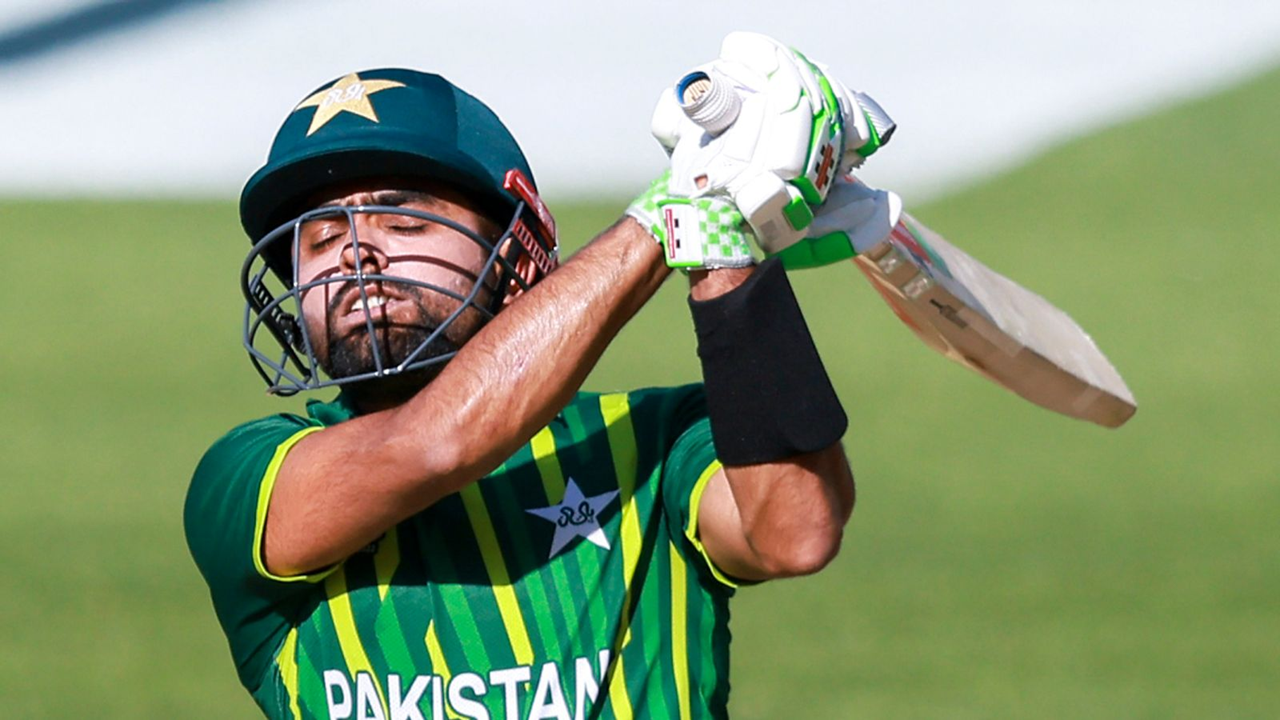
Babar Azam: After three years, Babar Azam has once again been appointed captain of Pakistan's Test team. Now, news has emerged that Babar will also be appointed captain of the T20 team.
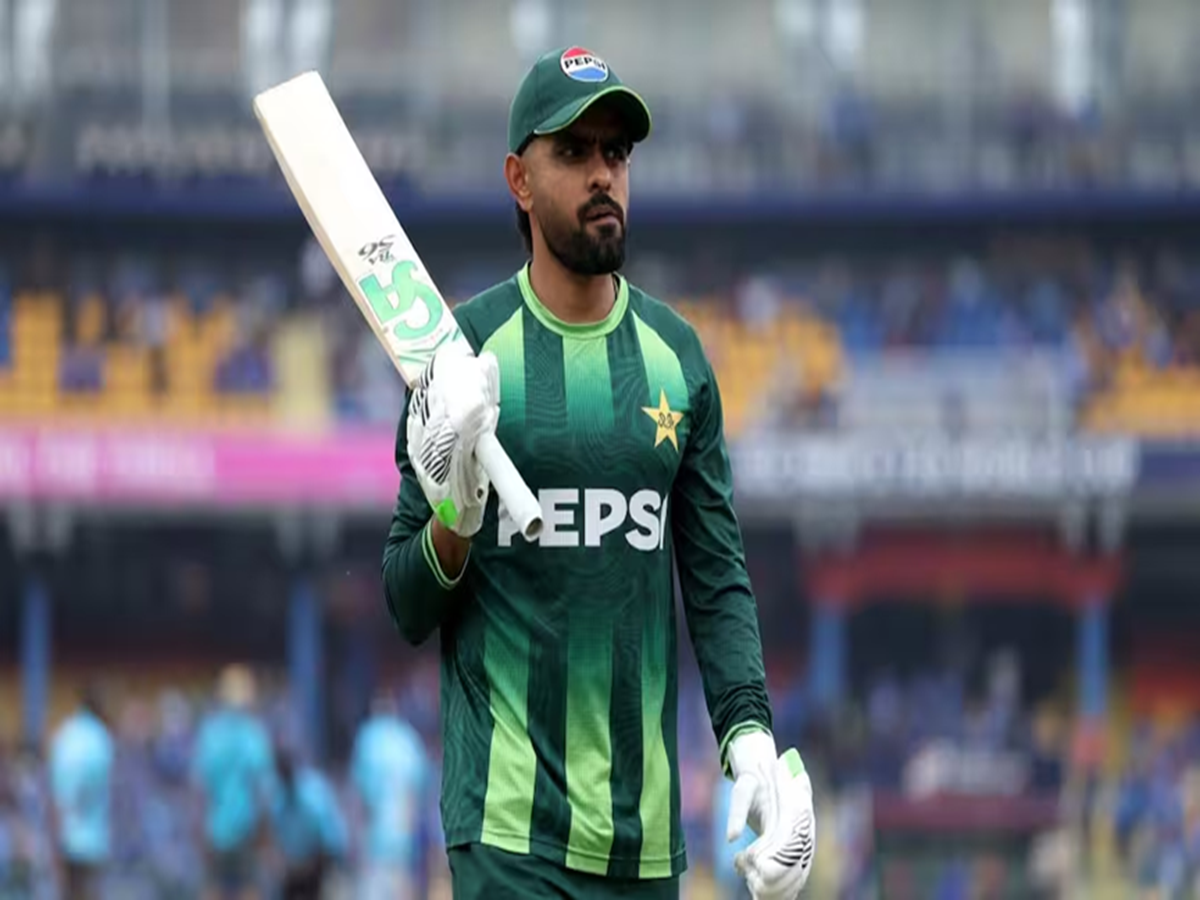
After Tests, Babar Azam will also become the captain of T20.
There's a strange joke going on in Pakistani cricket. Star batsman Babar Azam was dropped from the T20 team after Pakistan's poor performance in the 2024 T20 World Cup, citing "surgery." After a long absence, Babar Azam returns to the T20 team, though it's not typical for him to return after a strong performance. Then, suddenly, three years later, Babar is appointed Test captain, and now news has emerged that Babar will once again captain the T20 team. Indeed, a report claims that the PCB is considering giving Babar Azam the captaincy in T20 Internationals as well.
According to a report in the Pakistani publication Daily Ausaf, the PCB is considering a leadership change in T20 Internationals after evaluating the national team's recent performance. If Babar Azam is appointed captain, he will replace Salman Ali Agha. The report states that the board is expected to make a decision on this soon.
According to reports, given Babar Azam's experience as a captain, he may once again be given the captaincy of all three formats. However, no official statement has yet been issued by the PCB regarding this. Babar has previously captained Pakistan in all three formats. He has also achieved success as a captain in the T20 format. Under his captaincy, Pakistan reached the semi-finals of the 2021 T20 World Cup and finished runner-up in the 2022 T20 World Cup.
According to the report, the PCB considers current Pakistan T20 captain Salman Ali Agha to be a key player, and he will remain in its future plans. Babar is one of Pakistan's most reliable batsmen in white-ball cricket. His experience, leadership skills, and familiarity with the demands of captaincy are believed to be factors influencing the board's thinking.