ENTERTAINMENT
5 Big Pan-India Films That Failed to Match the Hype Despite Major South and Bollywood Stars
The success of films such as Baahubali, RRR and KGF changed the way Indian filmmakers looked at the national box office. Instead of targeting audiences in just one language or region, producers increasingly began designing films for viewers across India.
This gave rise to the modern "pan-India" formula: cast a major South Indian superstar, add familiar Bollywood faces, invest heavily in action and visual effects, and release the film in several languages.
The strategy has delivered some spectacular successes, but a big cast and huge budget do not always guarantee equally strong audience acceptance.
Several highly promoted films arrived in theatres with enormous expectations but struggled to generate the kind of response their makers had hoped for. In some cases, reviews focused on weak storytelling, while in others, viewers felt that impressive visuals could not compensate for problems with pacing or screenplay.
Here are five major films that demonstrate why pan-India ambition alone is not enough to ensure success.
1. Kanguva
Suriya's Kanguva was positioned as an ambitious action spectacle designed for audiences well beyond its core South Indian market.
To increase its appeal across the country, the makers brought in Bobby Deol as the antagonist and Disha Patani as the female lead. The combination of a popular Tamil star with established Hindi-film actors created significant buzz before release.
However, the theatrical response did not match the scale of the expectations surrounding the movie.
The film faced criticism over several aspects of its presentation, including an excessively loud sound design, complicated narrative and uneven screenplay. While its visual scale attracted attention, many viewers felt the storytelling did not offer the same level of impact.
Kanguva became another example of how spectacle can draw audiences initially, but sustaining interest requires a strong narrative as well.
2. Radhe Shyam
After the extraordinary success of the Baahubali franchise, Prabhas became one of the most recognisable pan-India stars in the country.
Naturally, expectations were extremely high when Radhe Shyam arrived.
The romantic drama was mounted on a lavish scale, with picturesque international locations, elaborate production design and visually impressive frames. Prabhas' presence also ensured that the film received attention across multiple markets.
But the film received a mixed response after its release.
A section of the audience found the storytelling slow, while the central romance did not connect emotionally with everyone. Despite the film's polished look, the narrative struggled to generate the level of excitement that had surrounded the project before its theatrical debut.
The experience showed that star power may attract initial interest, but audiences still expect an engaging emotional core.
3. Adipurush
Few Indian movies in recent years generated as much discussion before release as Adipurush.
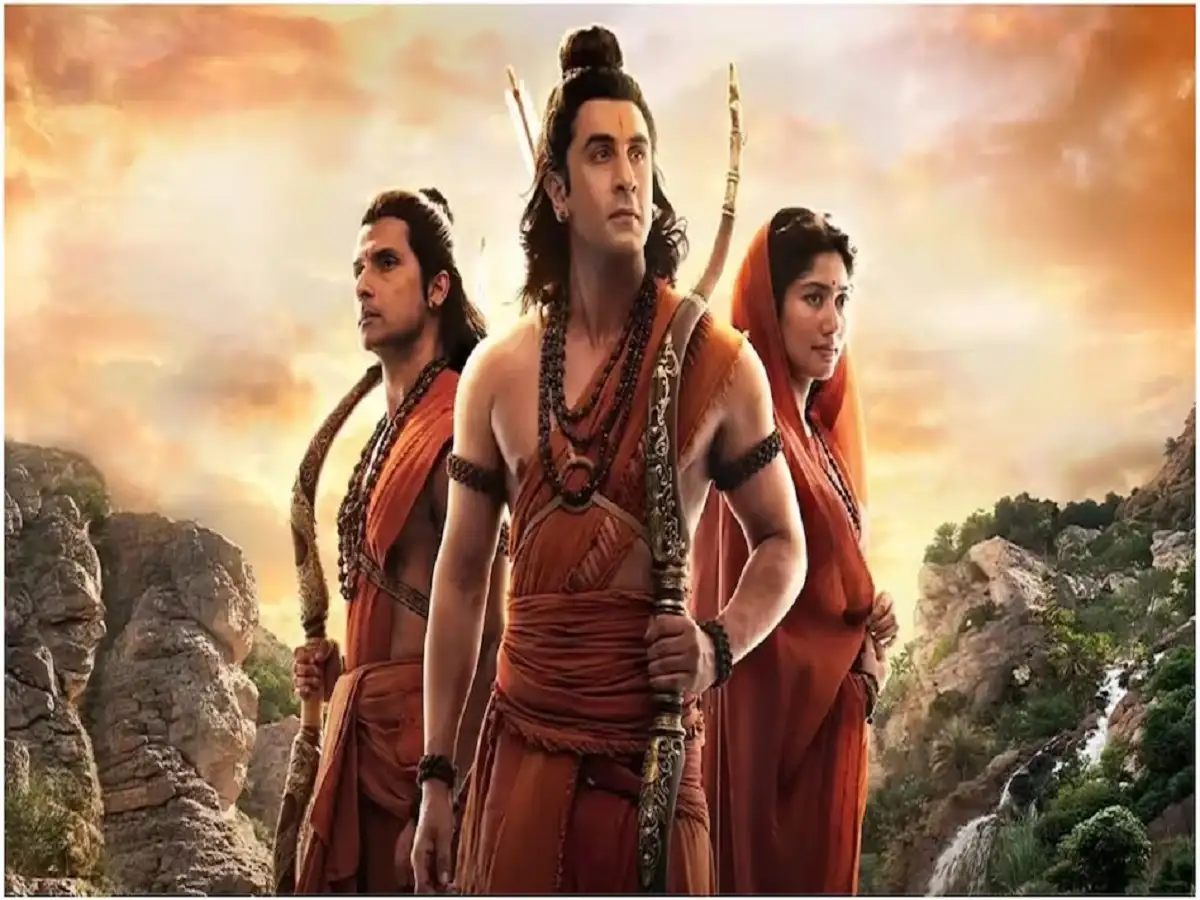
Inspired by the Ramayana, the film brought together Prabhas, Kriti Sanon and Saif Ali Khan in major roles. Prabhas portrayed Raghav, Kriti played Janaki, while Saif appeared as Lankesh.
Given the cultural importance of the source material and the scale on which the project was being promoted, expectations were enormous.
Once the film reached theatres, however, it became the subject of intense criticism.
Much of the debate centred around its visual effects, character presentation and dialogue. Some viewers also expressed disappointment with the film's creative interpretation of familiar characters and events.
The controversy surrounding the film eventually overshadowed much of the anticipation that had built before release.
Adipurush highlighted the additional challenge filmmakers face when adapting deeply familiar cultural or mythological material: audiences often arrive with strong expectations about both presentation and tone.
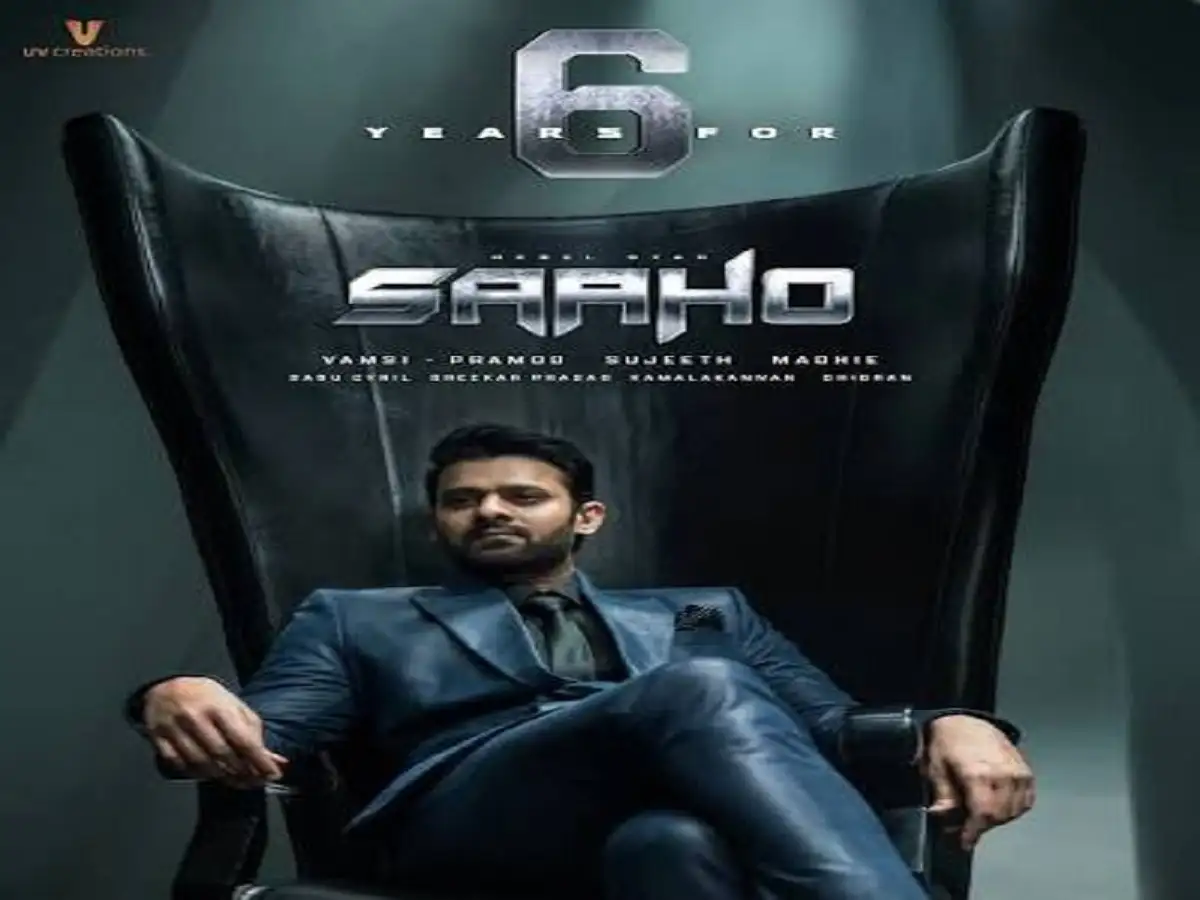
4. Saaho
Saaho was Prabhas' first major release after Baahubali 2, making it one of the most eagerly awaited films of its time.
Mounted on a reported budget of around ₹350 crore, the action thriller featured elaborate set pieces, international locations and large-scale stunts. Shraddha Kapoor starred opposite Prabhas, giving the film another familiar face for Hindi-speaking audiences.
The film's action sequences helped it attract considerable attention, particularly in the Hindi market.
However, audience and critical reactions were divided.
While the scale and action were praised by some viewers, others found the plot unnecessarily complicated. Questions were also raised about the screenplay and the way the story unfolded.
Interestingly, Saaho performed comparatively well in parts of the Hindi market, which means describing it simply as a complete failure would not tell the full story.
Even so, the mixed reception showed that spending heavily on action does not necessarily translate into universal appreciation.
5. Kabali
Whenever Rajinikanth releases a major film, expectations are naturally enormous, and Kabali arrived with exceptional pre-release excitement.
The gangster drama featured Rajinikanth alongside Radhika Apte and generated huge buzz before opening in theatres.
Many fans expected a trademark Rajinikanth entertainer packed with mass moments, punchy dialogue and larger-than-life sequences.
The film, however, took a somewhat different approach.
Its slower treatment and more serious tone divided audiences. Some viewers appreciated the attempt to present Rajinikanth in a more restrained gangster drama, while others felt the film lacked the high-energy entertainment they had expected.
The pacing was another point of criticism, with sections of the audience finding the narrative too slow or stretched.
As the initial excitement settled, the reaction became considerably more mixed than the extraordinary hype before release had suggested.
Why the Pan-India Formula Does Not Always Work
The rise of pan-India cinema has undoubtedly changed the Indian film business.
Audiences are now much more willing to watch films featuring actors from different industries, and language barriers have become less significant because of dubbing, subtitles and streaming platforms.
But simply combining South Indian superstars with Bollywood actors is not a guaranteed formula for success.
A film still needs a strong screenplay, convincing characters, effective pacing and a story capable of connecting with audiences across regions.
Marketing can create a huge opening, and star power can generate curiosity, but word of mouth eventually becomes critical.
Big Stars Cannot Replace Strong Storytelling
The experiences of Kanguva, Radhe Shyam, Adipurush, Saaho and Kabali underline an important lesson for large-scale Indian cinema.
Audiences may be excited by popular stars, massive budgets, visual effects and elaborate action, but those elements work best when supported by compelling storytelling.
Pan-India cinema is likely to remain a major part of the industry's strategy, especially after the extraordinary success of several cross-regional blockbusters.
However, filmmakers may increasingly discover that the real pan-India formula is not simply combining stars from different industries. It is creating a story strong enough to appeal to audiences regardless of language or region.