Business
PM-WANI Wi-Fi Gets a Major Upgrade: QR Code Login and Affordable Short-Term Internet Plans Coming Soon
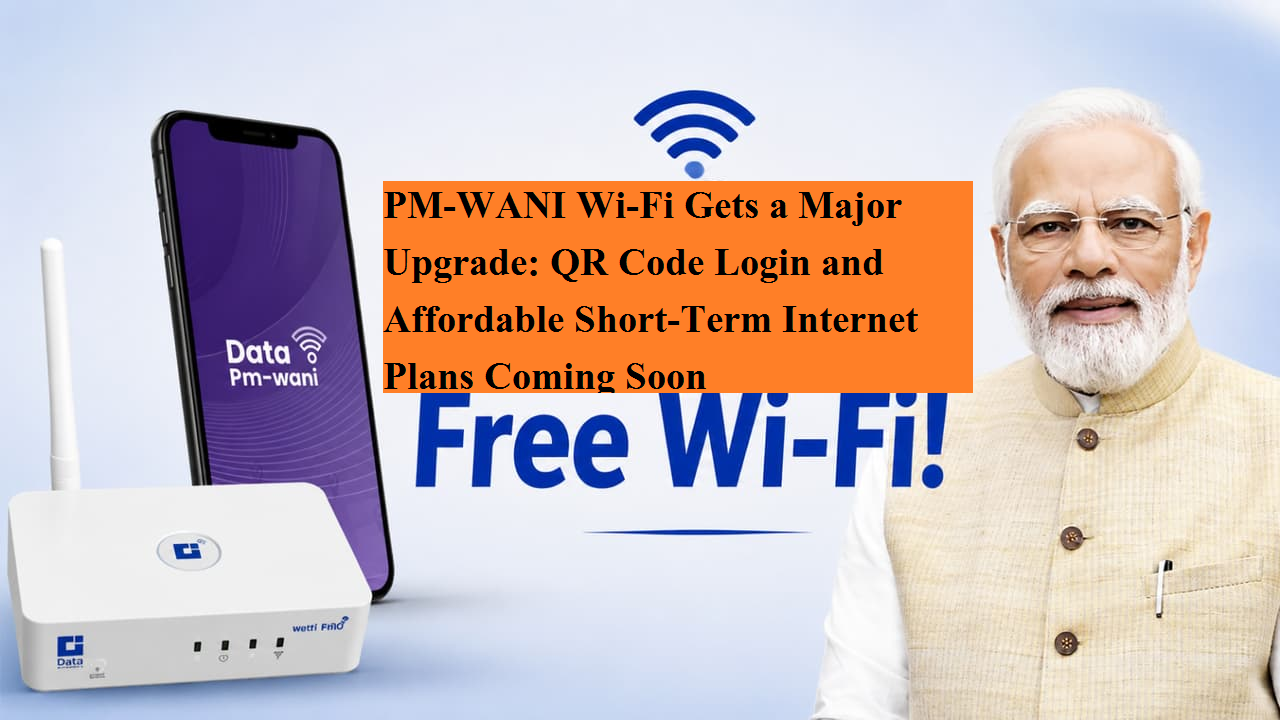
India's public Wi-Fi ecosystem is set for a significant transformation as the government introduces major updates to the PM-WANI (Prime Minister Wi-Fi Access Network Interface) initiative. The latest changes aim to make public internet access faster, easier, more secure, and affordable for millions of users across the country.
With internet connectivity becoming an essential part of daily life, the government is focusing on simplifying access to public Wi-Fi networks. Whether it is checking travel information at a railway station, making digital payments at a bus terminal, navigating through maps, or attending online classes, reliable internet access has become increasingly important.
The Department of Telecommunications (DoT) has now introduced a series of reforms designed to improve the user experience and expand digital connectivity under the Digital India mission.
QR Code Login to Replace Lengthy Authentication Processes
One of the most notable changes under the revamped PM-WANI framework is the introduction of QR code-based login.
Until now, users often had to enter mobile numbers, receive one-time passwords (OTPs), and complete multiple authentication steps before gaining access to public Wi-Fi services. This process could be time-consuming and inconvenient, especially for travelers who needed quick internet access.
Under the new system, users will simply scan a QR code displayed at an authorized hotspot to connect instantly to the internet. The streamlined process is expected to reduce waiting times and provide a much smoother user experience.
Government officials believe that QR-based authentication can also improve cybersecurity by minimizing opportunities for misuse and reducing reliance on manual login procedures.
Improved Connectivity at Public Locations
The upgraded PM-WANI system is expected to have the greatest impact at locations where large numbers of people regularly require internet access.
These locations include:
- Railway stations
- Bus terminals
- Airports
- Shopping malls
- Public transport hubs
- Educational institutions
- Tourist destinations
Many users only require internet access for a short period while traveling or completing specific tasks. The simplified connection process is designed to cater to such needs without unnecessary delays.
For students, professionals, travelers, and small business owners, quicker access to affordable internet services could significantly improve productivity and convenience.
New Affordable Internet Packs Introduced
Another major feature of the updated PM-WANI framework is the introduction of short-duration Wi-Fi plans.
The government has announced new "sachet-style" internet packages that will offer limited-duration connectivity at affordable rates. These plans are specifically designed for users who need internet access for brief periods.
The proposed validity options include:
- 15-minute plans
- 30-minute plans
- 60-minute plans
Such packages are expected to be particularly useful at transit hubs and public locations where users may only require temporary connectivity.
Instead of purchasing expensive daily or long-term plans, users will be able to choose a package that matches their immediate requirements, potentially reducing costs while increasing accessibility.
Stronger Protection Against Fake Wi-Fi Networks
Cybersecurity remains a major concern for public internet users. Fake Wi-Fi hotspots are often used by cybercriminals to collect sensitive information, steal passwords, or compromise user devices.
To address this issue, the government has introduced a new branding requirement for authorized PM-WANI hotspots.
Under the revised guidelines, official public Wi-Fi networks must prominently display the "PMWANI" branding. This measure is intended to help users distinguish legitimate government-supported networks from potentially fraudulent ones.
Technology experts believe that standardized branding could play a crucial role in reducing cyber fraud and improving public trust in shared internet services.
Nationwide Rollout Expected by July 2026
The Department of Telecommunications has reportedly provided PM-WANI service providers with an implementation window of approximately eight weeks to comply with the new guidelines.
As a result, the upgraded system is expected to become operational across India by July 2026.
Once fully implemented, users in both urban and semi-urban regions are expected to benefit from improved access to affordable and secure internet services.
The initiative also supports the government's broader objective of expanding digital inclusion and reducing barriers to internet access.
Boosting the Digital India Vision
The latest PM-WANI enhancements align closely with India's Digital India goals, which focus on increasing digital access, promoting online services, and strengthening internet infrastructure nationwide.
Affordable connectivity plays a crucial role in enabling digital education, e-governance services, online banking, telemedicine, and digital entrepreneurship. By simplifying access to public Wi-Fi and introducing flexible pricing options, the government hopes to encourage wider internet adoption among all sections of society.
Conclusion
The revamped PM-WANI program represents an important step toward making public internet access more user-friendly and secure. Features such as QR code-based login, affordable short-duration plans, and mandatory branding for official hotspots are expected to improve both convenience and safety.
If implemented successfully, these changes could make public Wi-Fi a practical and reliable connectivity solution for millions of Indians, from busy railway stations and airports to small towns and educational institutions. The initiative has the potential to strengthen India's digital ecosystem while making internet access more inclusive and affordable.
Disclaimer: Implementation timelines, service availability, pricing structures, and operational guidelines may vary depending on official notifications and local deployment by authorized PM-WANI service providers. Users should verify details through official government and telecom sources before relying on specific services.