NEWS
Lost or Stolen Phone? Follow These 5 Essential Steps to Protect Your Bank Account and Personal Data
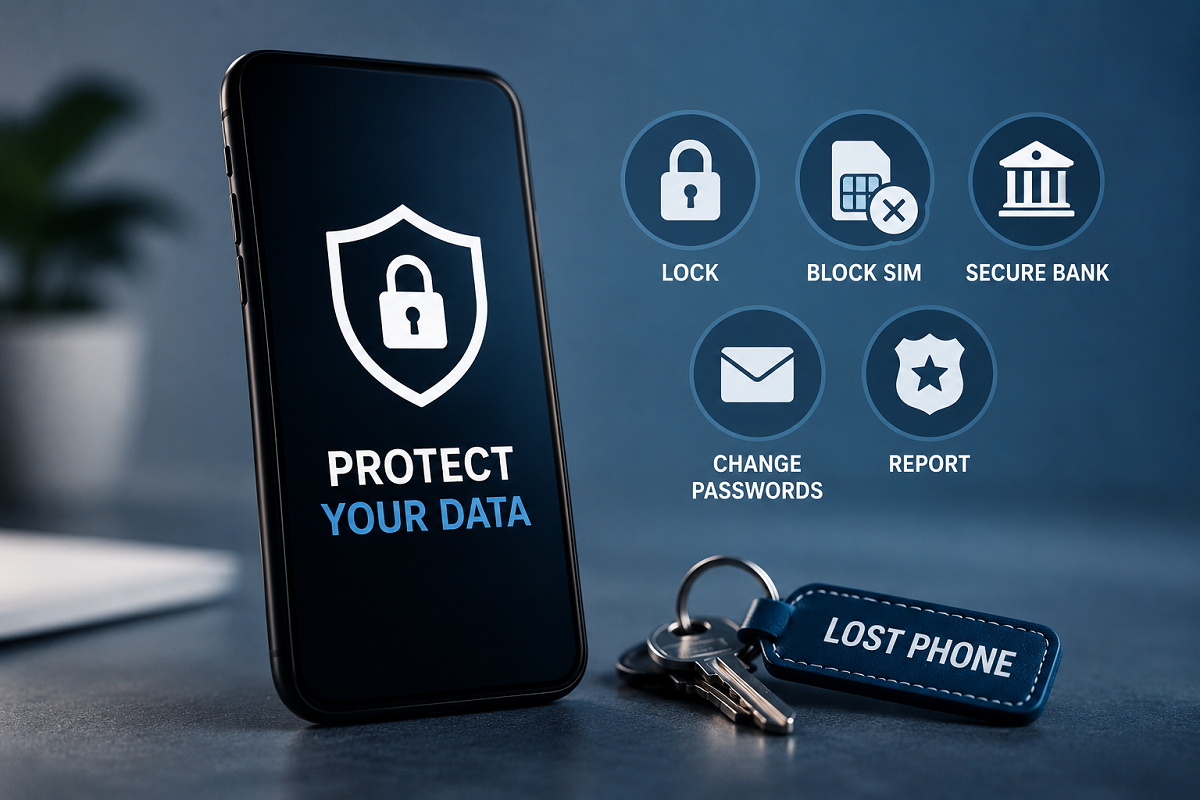
A missing smartphone can expose your banking apps, UPI accounts, emails and sensitive information. Here's what you should do immediately to minimize financial and privacy risks.
Smartphones have become an indispensable part of modern life, storing everything from banking applications and UPI accounts to personal photos, emails, passwords and important documents. While these devices offer unmatched convenience, they also carry significant security risks. Losing your phone or having it stolen can put your finances and personal information in danger within minutes if immediate action is not taken.
Cybersecurity experts recommend acting quickly after discovering that your phone is missing. Taking the right precautions can help prevent unauthorized access to your bank accounts, digital wallets and confidential data while reducing the chances of identity theft and financial fraud.
Here are five important measures you should take as soon as your smartphone is lost or stolen.
1. Block Your SIM Card Immediately
The first and most important step is to deactivate your mobile number by contacting your telecom service provider. Blocking your SIM card prevents anyone else from receiving calls, text messages or one-time passwords (OTPs) sent to your registered number.
Since most banking apps and online services rely on OTP verification for login and transactions, disabling the SIM significantly reduces the risk of unauthorized access to your financial accounts.
After blocking the SIM, you can request a replacement SIM with the same number from your mobile operator.
2. Lock or Erase Your Phone Remotely
If your smartphone is connected to a Google or Apple account, use the built-in device tracking services to locate it.
Android users can access Google's Find My Device, while iPhone users can use Find My iPhone through another trusted device or web browser. These services allow users to check the phone's last known location, play a sound, remotely lock the device or display a contact message on the screen.
If recovering the phone appears unlikely, remotely erasing all stored data is the safest option. Although this deletes the information permanently, it prevents criminals from accessing your personal files, banking applications, emails and saved passwords.
3. Secure Your Banking and UPI Services
A lost smartphone can become a gateway to digital payment apps if proper precautions are not taken. Contact your bank immediately if your device contains mobile banking or UPI applications.
Ask the bank to temporarily disable mobile banking, internet banking or UPI services if necessary. You should also inform the customer support teams of digital payment platforms linked to your account.
Even if your phone is protected by a screen lock, disabling financial services until you regain control of your accounts provides an additional layer of protection against unauthorized transactions.
4. Change Your Email Password Without Delay
Many people focus only on banking apps after losing a phone, but email accounts deserve equal attention. Email addresses are commonly used for password recovery, account verification and security alerts across banking, shopping and social media platforms.
Changing your primary email password immediately helps prevent anyone from accessing linked accounts or resetting passwords for other services.
If available, enable two-factor authentication (2FA) on your email account to further strengthen its security.
5. File a Police Complaint and Monitor Your Accounts
Reporting the theft or loss of your phone to the nearest police station is an important legal step. While filing the complaint, provide your smartphone's IMEI (International Mobile Equipment Identity) number, which can help authorities identify the device if it is recovered.
Keep a copy of the complaint or First Information Report (FIR), as it may be required if fraudulent financial activity occurs later.
At the same time, regularly review your bank statements, UPI transaction history and credit card activity for any suspicious payments. If you notice unauthorized transactions, notify your bank immediately so that appropriate action can be taken.
Stay Prepared Before an Emergency Happens
Losing a smartphone can happen unexpectedly, but preparing in advance can reduce the damage significantly. Setting up a strong screen lock, enabling biometric authentication, activating device tracking features and regularly backing up important data are simple habits that improve digital security.
As smartphones increasingly become digital wallets, identity cards and personal storage devices, protecting them is just as important as safeguarding physical cash or important documents. Acting quickly after a phone goes missing can help protect both your finances and your personal information from falling into the wrong hands.