LIFESTYLE
Delhi AQI Drops for Third Straight Day, but Dense Smog and Low Visibility Continue to Trouble Residents
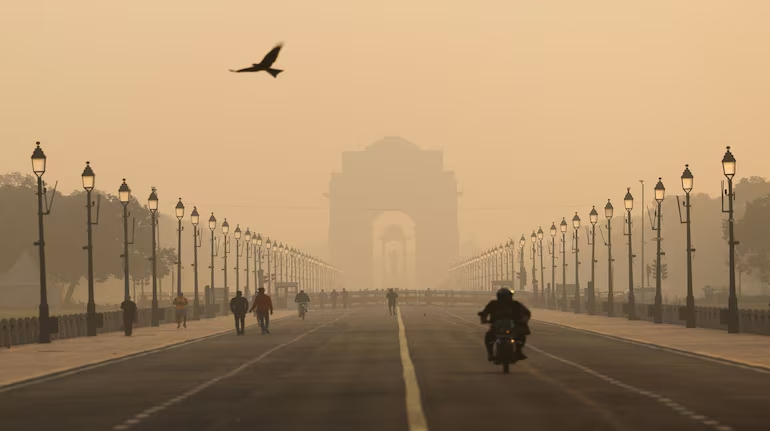
Delhi AQI Today (December 11, 2025):
After several days of severe pollution, Delhi residents woke up to a marginal improvement in air quality on Thursday. According to data released by the Central Pollution Control Board (CPCB), the national capital’s overall Air Quality Index (AQI) stood at 267, marking a decline for the third consecutive day. Although the numbers indicate slight relief, the air quality still falls under the ‘poor’ category.
AQI Trend Over the Past Three Days
- Thursday (Today): AQI 267 — Poor
- Wednesday: AQI 291 — Poor
- Monday: AQI 318 — Very Poor
This downward trend reflects some improvement, but pollution levels remain high enough to pose health risks, especially for vulnerable groups such as senior citizens, children, asthma patients and individuals with cardiovascular conditions.
PM2.5 and PM10 Levels Still in the Dangerous Zone
Despite the dip in the overall AQI, concentrations of PM2.5 and PM10 — highly harmful microscopic particles — continue to remain a major concern. Experts warn that these fine pollutants can penetrate deep into the lungs, potentially causing severe respiratory and heart-related complications. The persistent presence of these particles is keeping Delhi’s air quality in the ‘unsafe’ category.
Dense Smog and Reduced Visibility Persist Across Key Locations
Even though the AQI has improved slightly, the ground reality tells a different story. Several prominent areas of Delhi, including India Gate, Kartavya Path, ITO and Anand Vihar, reported a thick layer of smog early in the morning.
The dense haze led to poor visibility on major roads, affecting school buses, office commuters and public transport. Slow-moving traffic was reported in multiple zones as drivers struggled to navigate through the fog-like conditions.
Weather Conditions Adding to the Challenge
Delhi recorded a minimum temperature of around 16°C on December 11, with cloudy skies and high humidity levels. These conditions trapped the pollutants close to the surface, preventing dispersion. As a result, the smog layer remained intact, limiting the effectiveness of the recent AQI improvements.
Meteorologists state that lower temperatures, along with moisture-laden air, create an inversion layer that stops pollutants from rising and dispersing into the upper atmosphere. This phenomenon is common during winter months and significantly worsens Delhi’s air quality.
Residents Advised to Follow Safety Precautions
Health experts urge people to remain cautious until air quality returns to safer levels. The following recommendations have been issued to minimize exposure to toxic air:
1. Limit Outdoor Activities
Avoid stepping out during early morning and late evening hours when pollution levels are typically higher.
2. Wear Protective Masks
N95 or N99 masks are essential for individuals with breathing issues, senior citizens, and children.
3. Avoid Heavy Outdoor Exercise
Running, jogging or intense workouts should be postponed until the air becomes cleaner.
4. Keep Indoor Air Clean
Using air purifiers, keeping windows closed during peak pollution hours and maintaining proper ventilation can help reduce indoor pollution levels.
Possibility of Further Improvement Ahead
Weather experts believe that a change in wind speed or direction in the coming days may help disperse pollutants and bring further improvement in the AQI. However, they also caution that cloudy skies and low temperatures could continue to trap pollutants near the ground, slowing down the recovery.
For now, while the slight drop in AQI provides some hope, Delhi’s air quality remains far from healthy. Residents are advised to stay alert and continue following safety measures to protect themselves from pollution-related health risks.