LIFESTYLE
Women's Bone Health After 35: Why do women's bones become hollow after 35? Learn the symptoms.
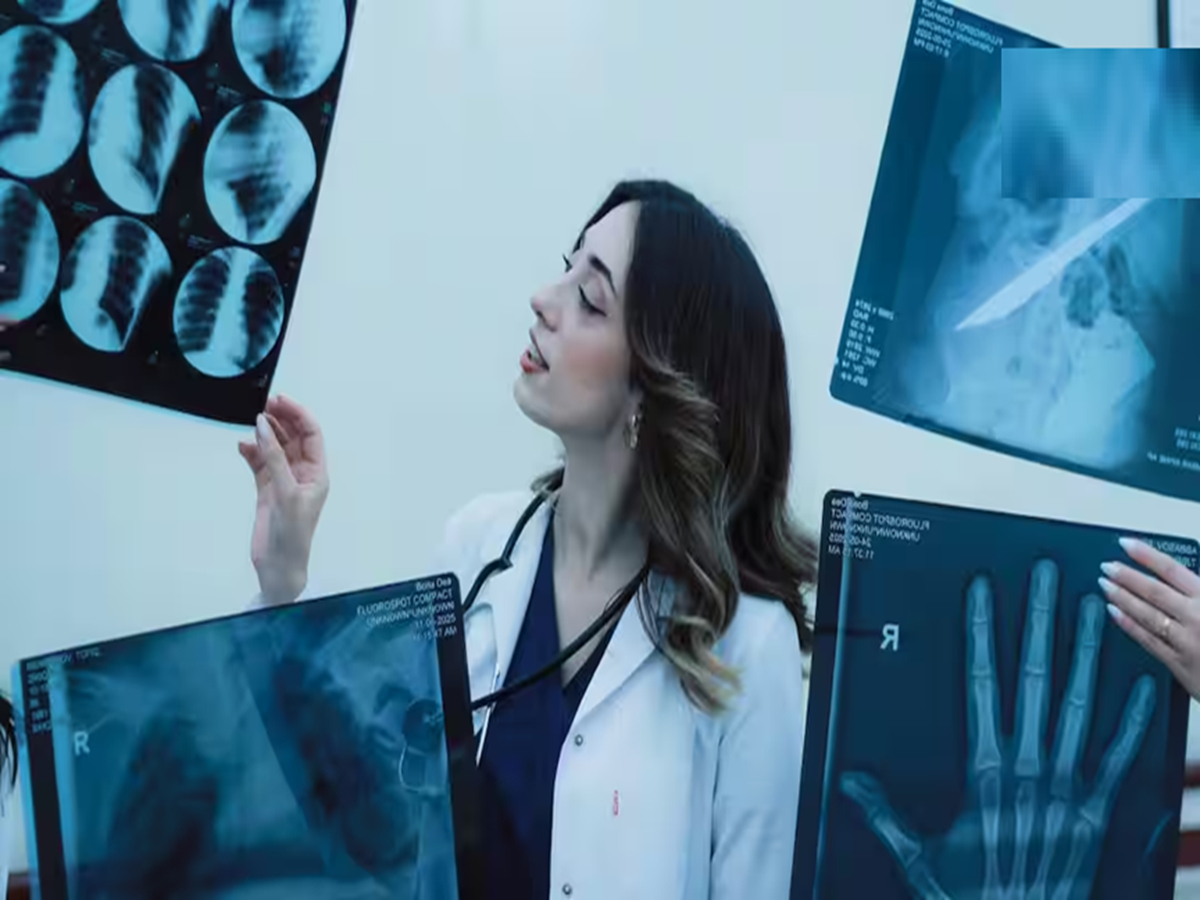
Estrogen and Bone Health: Bone strength begins to decline after the age of 35. Bones that used to form and strengthen rapidly in youth now slow down and break down a little faster.
Why does bone density decrease in women after 35?
Why Bone Density Decreases After 35 In Women: A change occurs in women's bodies that is neither visible from the outside, nor causes immediate pain, nor does it suddenly affect daily life. But this change gradually increases internally. After the age of 35, bone strength begins to decrease. Bones that used to form and strengthen rapidly in youth now form more slowly and break down a little faster. The most worrying thing is that all this happens silently and remains undetected for a long time.
What do experts say?
Dr. Lalit Nemichand Bafna, an orthopedic specialist at Manipal Hospitals Dwarka, told TOI that women don't usually think much about their bone health after 30, but this is where the real changes begin. According to him, after 35, the body breaks down bones faster than it builds them, leading to a gradual loss of bone density. This process is so slow that there aren't any obvious signs in the beginning.
What are the signs?
This is why bone weakness isn't initially noticeable. Many women feel completely normal. Early signs appear much later, such as a slight decrease in height, occasional back pain, or a bone fracture from a minor fall. According to one study, many women in India don't notice this problem until a fracture occurs, especially after the age of 40.
It's important to understand this condition. It's not just a weakening of the bones, but a change in their structure. The bones become hollow and light inside, making them less able to withstand pressure.
Why does this problem occur early in women?
This problem is more common in women due to hormonal changes in the body. Estrogen, a hormone that helps maintain strong bones, declines over time. Furthermore, factors such as a lack of calcium and vitamin D in the diet, prolonged sedentary work, pregnancy, and breastfeeding also affect bones.
It is necessary to get tested.
A special scan is performed to check bone health, which is easy and painless. However, most women delay getting it done because they think it's only needed as they get older. Experts believe that timely screening and proper care can significantly reduce the risk of bone fractures in the future. Although bones don't form as quickly after 35, this deterioration can be slowed by adopting healthy habits. Daily walking, light exercise, sun exposure, and a balanced diet are helpful.