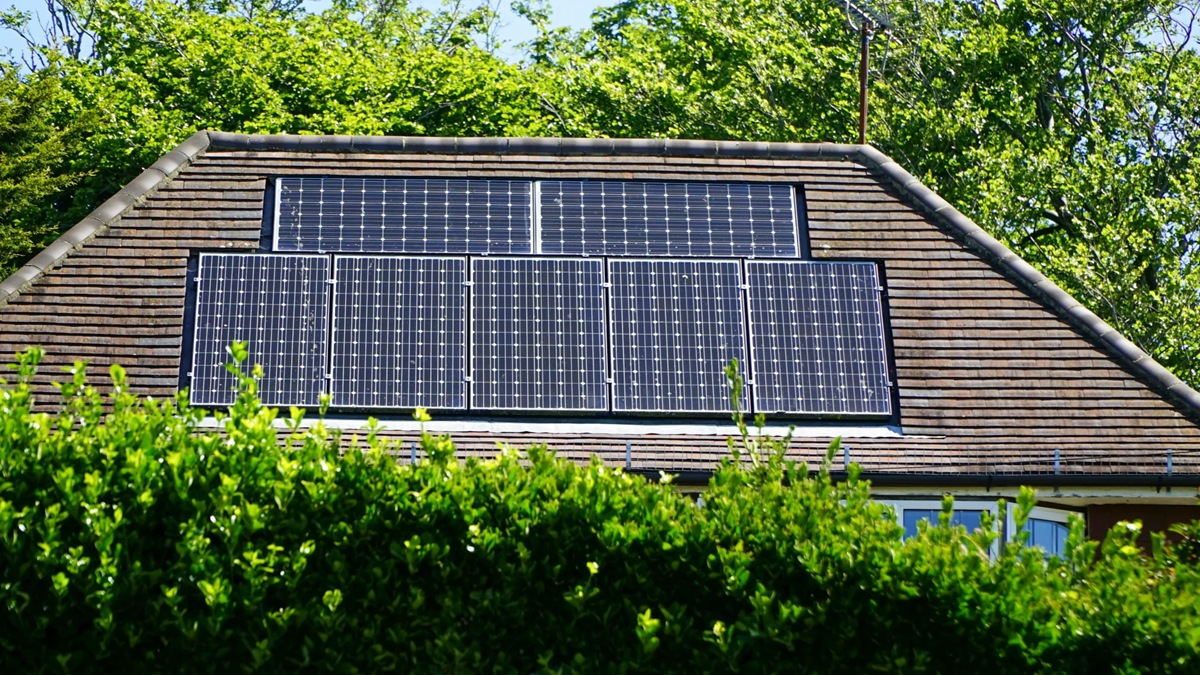
If electricity production isn't as good as it used to be after a few years of installing solar panels, it doesn't necessarily mean the panels are damaged. Learn about changes that occur with older panels and how long they can last.
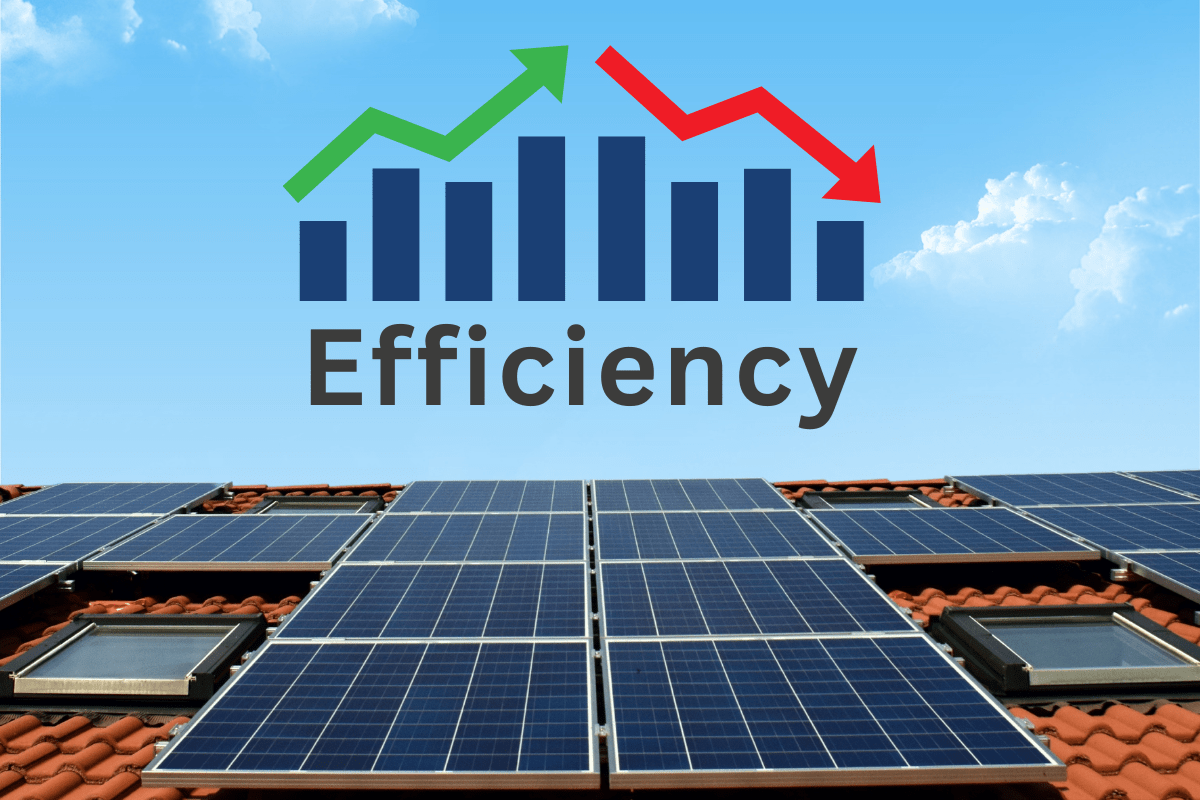
Solar Panel Efficiency
Solar panels can provide a good amount of electricity for many years after installation, but their output may gradually decrease over time. This doesn't mean the panel has suddenly failed. In fact, prolonged exposure to sunlight, heat, humidity, and weather gradually reduces the ability of solar panels to produce electricity. This process is called solar panel degradation.
Typically, solar panel performance can decline by about 0.3% to 1% each year, while the industry average decline is around 0.5% annually. So, let's explore why older solar panels generate less electricity.
Why do older solar panels produce less electricity?
Solar panels are constantly exposed to sunlight and UV rays. Furthermore, heat and changing weather conditions also impact the cells and their internal connections. As the panels heat up during the day and cool down at night, they repeatedly expand and contract. This can lead to micro-cracks over time and weaken the internal connections. This reduces the path for electrons to travel, impacting power generation.
Due to this, the starting power may also be reduced.
Older P-Type solar panels may experience Light-Induced Degradation (LID). After the first exposure to intense sunlight, a process within the silicon cell can cause an initial decrease in efficiency of approximately 1% to 3%. This initial decrease occurs, and performance stabilizes afterward. This problem has been significantly reduced in modern N-Type panels.
PID and weather also have an effect
Potential-Induced Degradation (PID) can be caused by factors such as high voltage, heat, and humidity. This affects a solar cell's ability to generate electricity. Additionally, prolonged exposure to moisture, rain, UV rays, and hot weather can damage the panel's internal components.
Dirt also reduces electricity.
Dust, bird droppings, pollution, and leaves build up on the panel surface, reducing sunlight's ability to reach the cells. In dusty areas, lack of regular cleaning can result in a 10% to 20% reduction in power output.
How long do solar panels last?
Solar panels typically have a useful life of 25 to 30 years. Panels don't necessarily need to be retired after 25 years, but their power output may decrease. Many panels continue to generate electricity beyond this period. Good quality panels, proper installation, regular cleaning, and periodic inspections can help minimize the decline in efficiency.