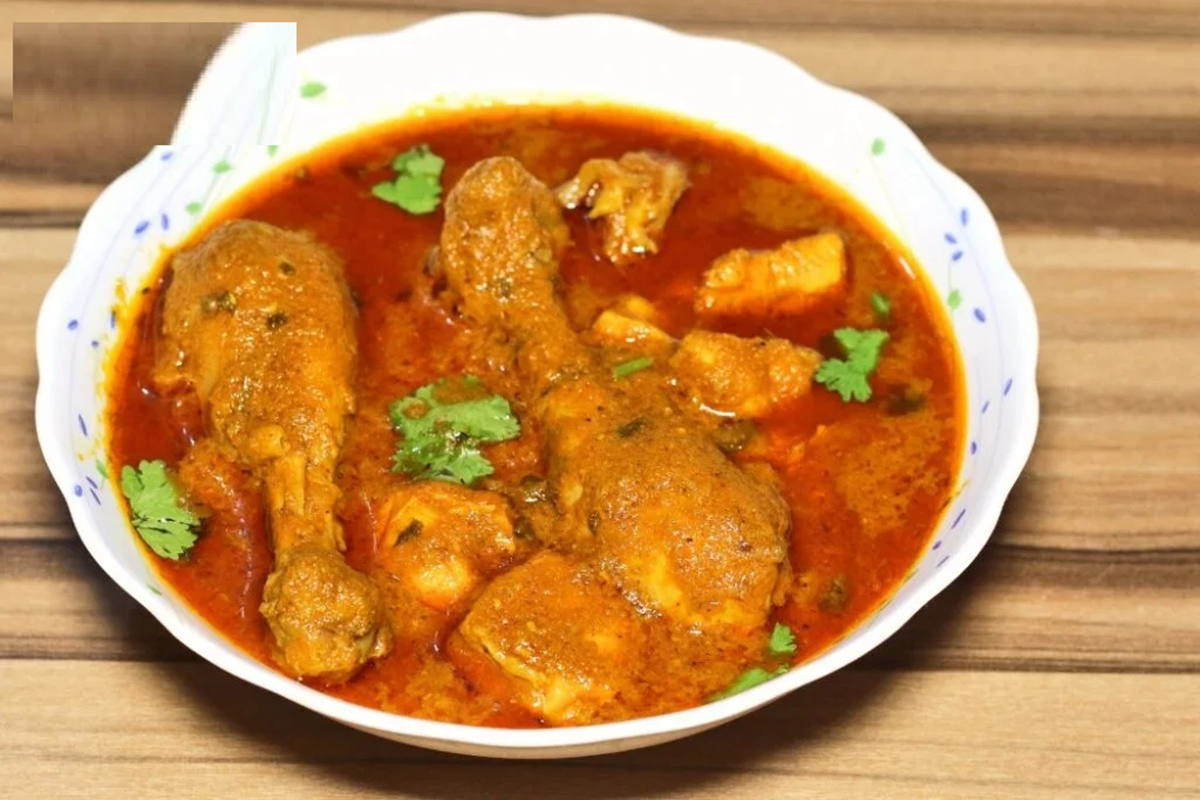
All-round inflation is already crippling. Now, rising prices for milk, eggs, and chicken are also troubling the common man. Maize and soybean shortages are crippling the poultry and dairy sectors.
Why are the prices of milk, eggs and chicken not decreasing?
Amid rising inflation, the prices of poultry and dairy products have also begun to rise, disrupting the common man's kitchen budget. Retail prices of eggs, chicken, and milk in India have risen by 30% to 40% in the past year. Of these, egg prices have risen by 35% to 38.7%. In the wholesale market (NECC), the price of 100 eggs has risen from 670 to 730 rupees. In the retail market, eggs that normally cost 6 rupees are now being sold for 8.50 to 9 rupees, and in some local markets, for 10 to 12 rupees.
The situation is similar with chicken. Its prices have risen by 30% to 40% in the past year. In many retail markets across the country, its price has risen from Rs 220 per kg to Rs 330 per kg. Milk prices have also not been spared by rising inflation. Recently, major dairy companies like Amul and Mother Dairy have increased milk prices by Rs 2 to Rs 4 per liter due to rising costs, after which premium milk prices have reached Rs 68 to Rs 70 per liter in some areas.
animal feed crisis
In 2013-14, the gross value added (GVA) from India's animal husbandry sector was approximately 34% of the value added from crops. This means that in 2013-14, animal husbandry was a much smaller business than crop farming, but today this picture has completely changed.
According to official data from 2023-24, this proportion has now reached 57%. This means that over the past 10 years, animal husbandry (especially dairy and poultry) has grown at twice the rate of crops. It is now becoming a major source of income for farmers. However, the rising cost of animal feed is causing problems for farmers. Chickens, cows, buffaloes, sheep, goats, and pigs require carbohydrates as a major source of energy, which are mostly obtained from corn.
Reasons for rising fodder prices
In addition to carbohydrates, animals also need protein, minerals (such as calcium and phosphorus), vitamins, dietary fiber, fat (oil), synthetic amino acids (methionine and lysine), and other additives. Protein is obtained primarily from soybean, mustard, peanut, sunflower, and cottonseed, or from rice bran, the solid meal left after oil is extracted from rice bran.
Meanwhile, prices of both corn and soybeans have risen sharply. The Indian government is producing ethanol (biofuel) from corn to be blended with petrol. Approximately 17 million tons of corn are being diverted to ethanol production, creating a shortage of corn for the poultry industry and driving up prices by up to 20%.
Meanwhile, soybean prices are steadily rising due to a global shortage of edible oils and fears of a poor monsoon. Rising corn and soybean prices have made feed for not only poultry but also cows and buffaloes more expensive. Due to a shortage of dry fodder and rising transportation costs, major companies like Amul and Mother Dairy have been forced to raise milk prices.
Is there hope for relief?
Egg, chicken, and milk prices in India are unlikely to decline in the near future, as their production costs have risen significantly. 65% to 70% of the total production cost of eggs and chicken is spent solely on poultry feed. The price of this feed has risen significantly in the past few months. Therefore, a price decline is unlikely anytime soon.