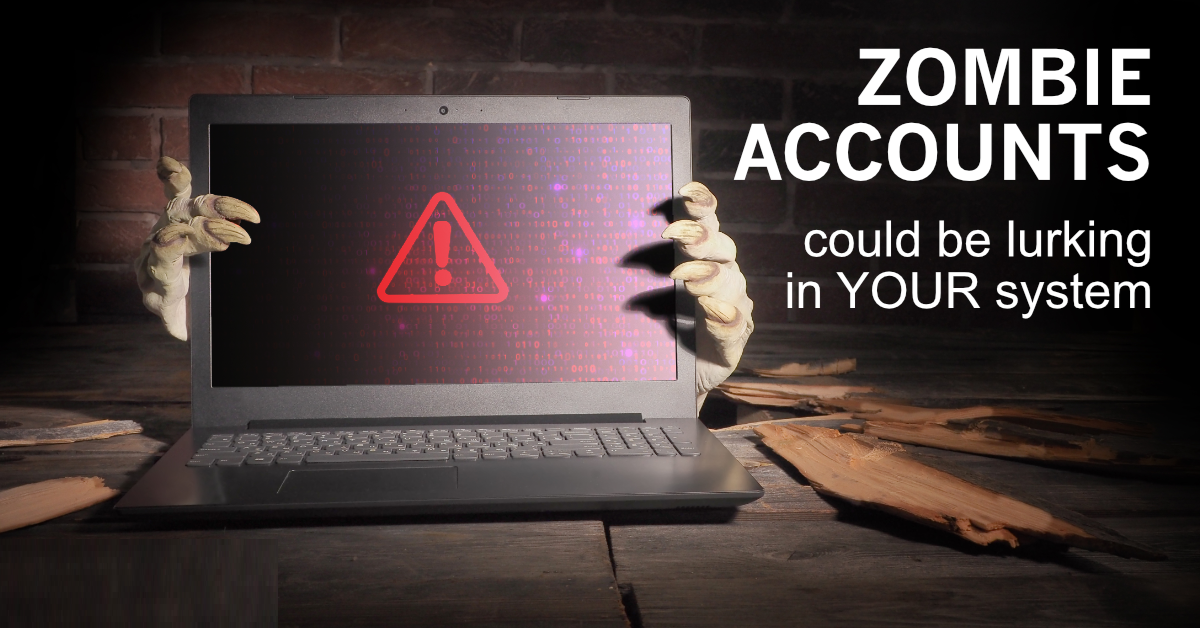
Old and inactive zombie accounts can be easy targets for cybercriminals. Your personal data can also be leaked through these accounts.
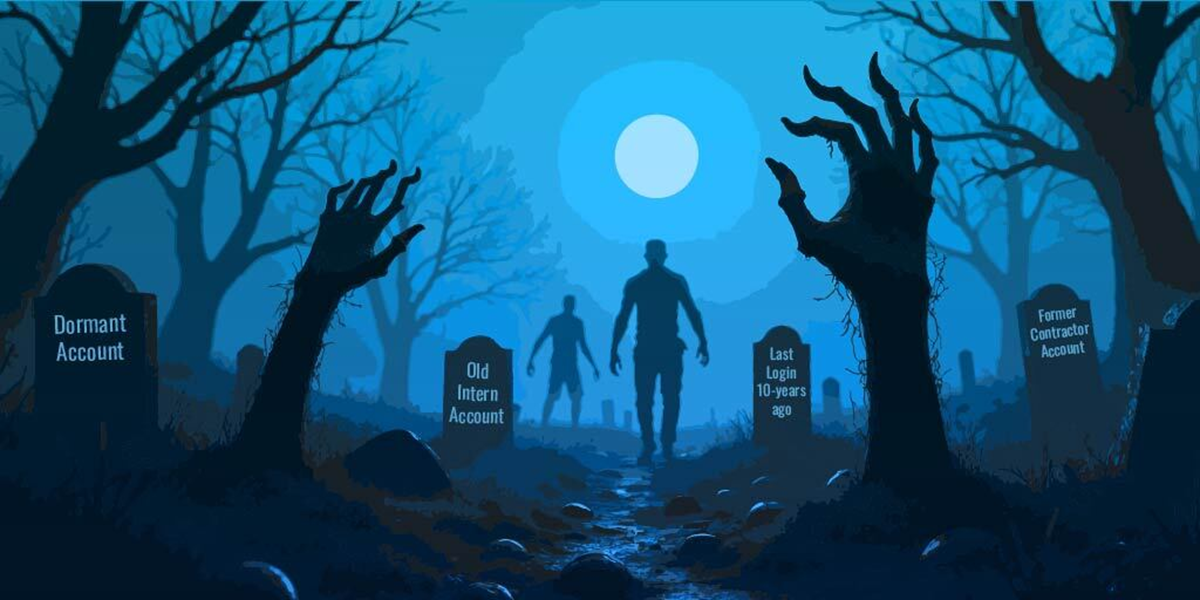
What are Zombie Accounts?
Nowadays, we create accounts on countless websites and apps. An account created to make a purchase on an online shopping site, to trial an app, or to use a service for a few days may not be remembered later, but it remains present on the internet. Such inactive accounts are often called zombie accounts. But the biggest concern is that these accounts, left unused for a long time, can become easy targets for cybercriminals.
What are Zombie Accounts?
Zombie accounts are old online accounts that a user hasn't used for a long time but haven't completely closed or deleted. These accounts contain your name, email address, phone number, old address, profile details, or other personal information. People often create accounts on websites years ago and then forget about them. This oversight can create data security issues later on.
How can data be leaked from an old account?
It's worth noting that a security vulnerability in an online service could allow hackers to steal user data. If your old account still exists on that platform, its information could also be leaked.
Furthermore, the risk increases if you've also used the password for that account on another website. Once your data is compromised, cybercriminals can try to log in to your other accounts using the same email address and password.
An old password can become a big problem.
Many people use the same or similar passwords for different websites. If a password from an old account is leaked and the same password is also used for your current email or social media accounts, the risk increases significantly. Therefore, old accounts aren't just useless digital profiles; they can also be a threat to your current digital security.
Which accounts should I check immediately?
First, try making a list of the websites and apps you've used over the past few years. Especially check old shopping accounts, forums, gaming websites, trial services, social media, and newsletters. Afterward, don't simply log out of accounts that are no longer useful. If the platform offers a deletion option, deleting the account completely is considered a better option.
Do this before deleting.
Before deleting an old account, back up any important photos, documents, or other information, then remove personal information and check any payment information, saved cards, or other important details. If you don't want to delete the account, at least set a strong and unique password and turn on Two-Factor Authentication (2FA) where possible.