NEWS
West Bengal Government Removes Muslim Communities Added to OBC List After 2010, BJP Calls It Poll Promise Fulfilled
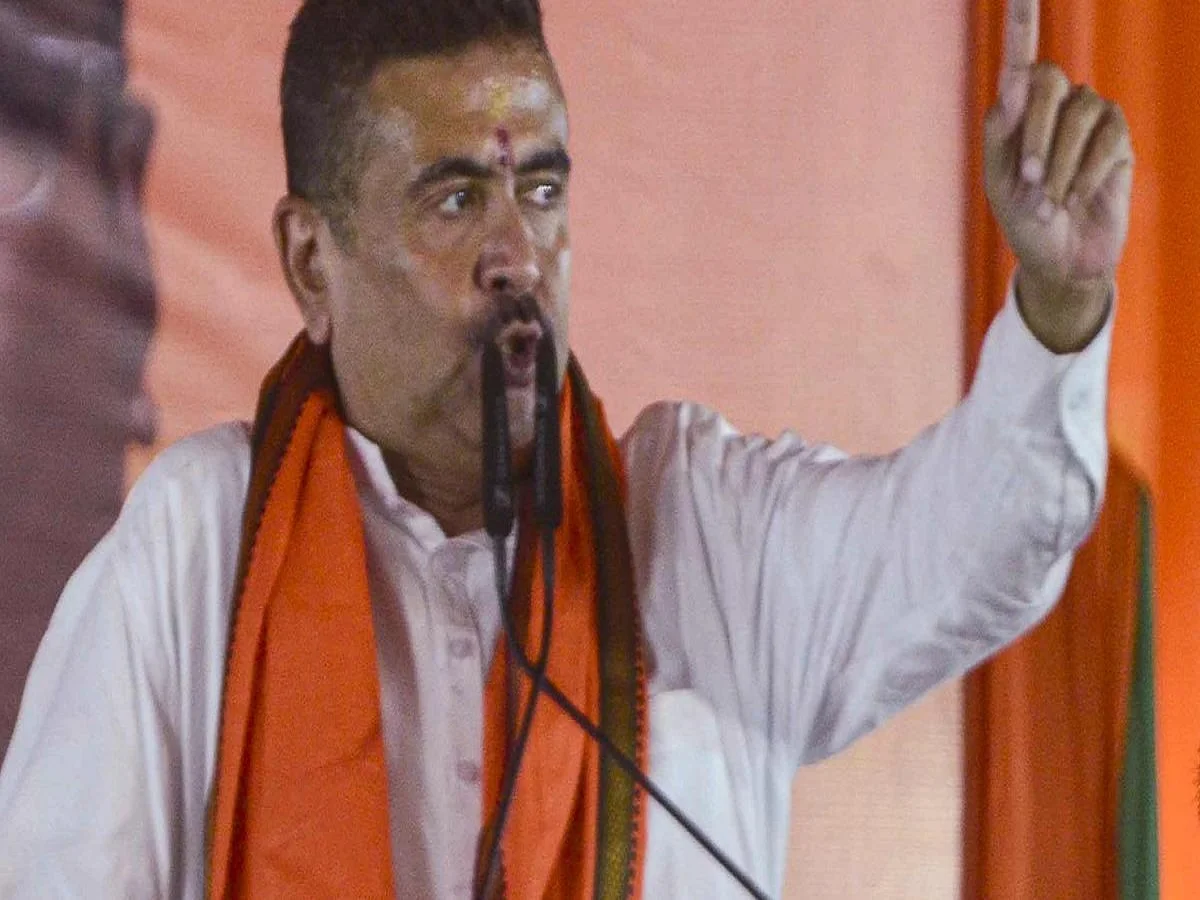
A major political and administrative decision in West Bengal has sparked fresh debate over reservation policies after the BJP-led state government, headed by Suvendu Adhikari, reportedly removed Muslim communities added to the OBC list after 2010.
The move is being projected by the ruling Bharatiya Janata Party as the fulfillment of one of its key election promises made during the West Bengal Assembly elections.
According to reports, the state government has issued a revised notification restoring the OBC reservation framework that existed before 2010.
What Changes Have Been Made?
Under the revised reservation structure, only 66 communities will reportedly remain eligible for benefits under the primary OBC reservation list in the state.
Key Highlights of the Decision
- Muslim communities added after 2010 have reportedly been removed from the revised OBC list
- The state has restored the earlier reservation framework
- OBC reservation is now reportedly capped at 7%
- Authorities claim the restored list existed before 2010 without legal objections
Officials have stated that the revised structure is intended to create a more legally sustainable and transparent reservation framework.
BJP Says It Reversed “Mamata-Era Policies”
The BJP government has described the move as an effort to correct what it considers politically motivated reservation policies introduced during the tenure of Mamata Banerjee and the All India Trinamool Congress government.
Political observers see the decision as one of the most significant policy reversals since the BJP came to power in the state.
According to the official notification, the approved categories under the revised system will continue receiving reservation benefits in:
- Government jobs
- Educational institutions
- State recruitment systems
Suvendu Adhikari Defends the Government’s Action
Addressing a public gathering in Kolkata, Suvendu Adhikari reportedly said the government was taking “swift and decisive action” on multiple state-related issues.
The BJP leadership has consistently argued that reservation policies should strictly follow constitutional and legal standards rather than political considerations.
Emotional Announcement for BJP Workers’ Families
During a political rally in Falta supporting BJP candidate Debanshu Panda, Suvendu Adhikari reportedly became emotional while referring to party workers allegedly killed in post-election violence after the 2021 West Bengal Assembly elections.
He announced that the state government would provide government jobs to family members of 321 BJP workers who, according to the party, lost their lives during the violence.
The statement is expected to become another major political talking point in the state’s already heated political atmosphere.
Political Reactions Likely to Intensify
The decision is expected to trigger strong reactions across West Bengal, especially from opposition parties and groups representing affected communities.
Critics may question:
- The basis of removing specific communities
- Impact on reservation access
- Social and political implications
- Constitutional considerations
Meanwhile, BJP leaders are presenting the move as an attempt to restore what they describe as a fair and constitutionally aligned reservation structure.
Reservation Politics Remains a Sensitive Issue
Reservation policies continue to be one of the most politically sensitive subjects across India, especially when linked to:
- Community representation
- Social justice
- Educational access
- Government employment
Any major change in OBC classifications often leads to intense legal, political, and public debate.
West Bengal Politics Heading Toward Another Heated Phase
With reservation reforms, political allegations, and election-related narratives increasingly dominating public discourse, West Bengal’s political environment appears set for another period of sharp confrontation between the ruling BJP and opposition parties.
The long-term impact of the revised OBC structure — both politically and legally — is likely to become clearer in the coming months as reactions from courts, opposition leaders, and community groups continue to emerge.