NEWS
West Bengal Government Issues Strict Media Rules for Officials, Unauthorised Statements and Information Leaks Banned
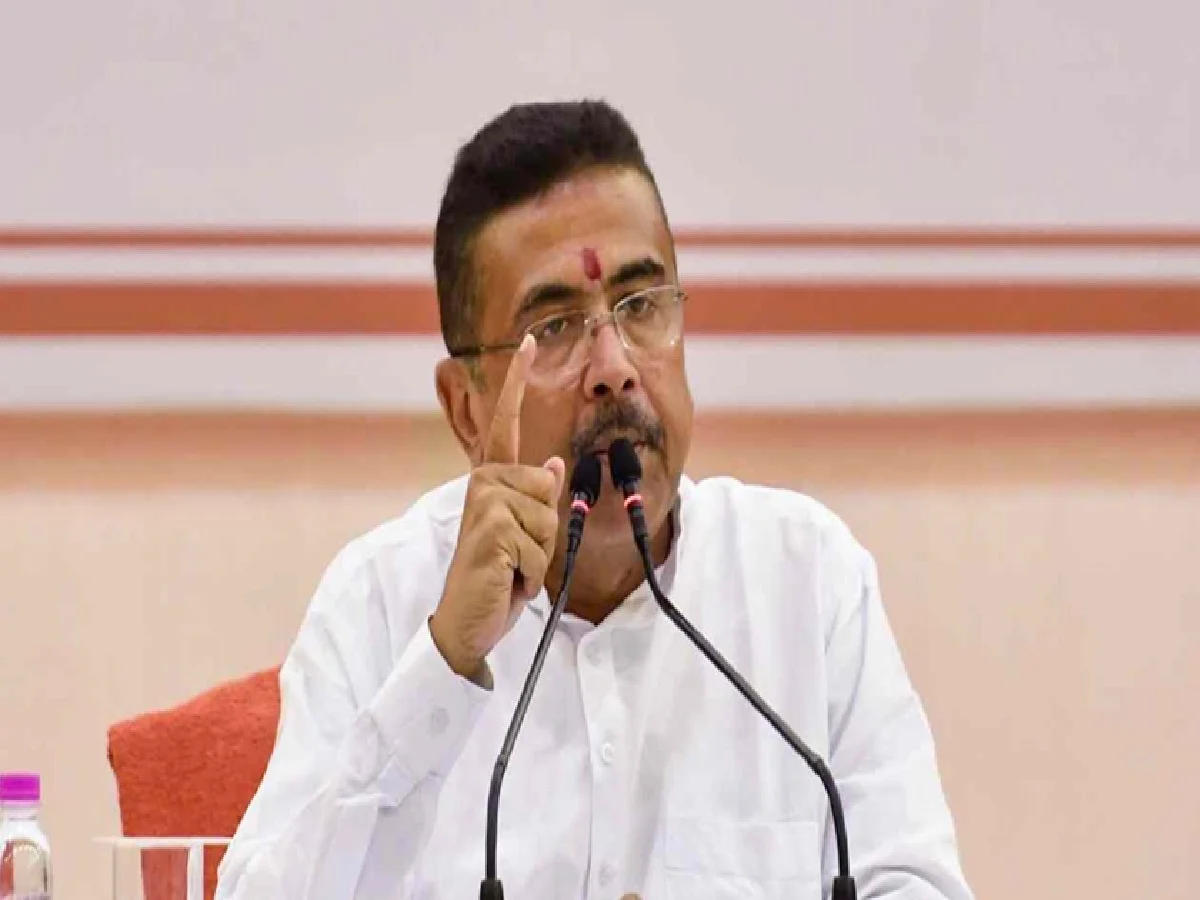
The West Bengal government has reportedly introduced strict new guidelines for government officials and employees regarding interaction with the media, public comments, and sharing of official information. The move comes shortly after Suvendu Adhikari took charge as Chief Minister, with the administration now tightening control over communication involving government departments and personnel.
According to reports, the new directive imposes strict restrictions on government employees regarding:
- Media interactions
- Participation in public programs
- Sharing official documents
- Public criticism of government policies
- Writing articles without permission
The circular has reportedly been issued by Chief Secretary Manoj Agarwal and sent to all government departments, commissioners, district administrations, and police administrations across the state.
New Circular Applies to Multiple Government Departments
The latest administrative order reportedly instructs authorities to circulate the guidelines immediately across all offices under their control and ensure strict implementation.
The rules are said to apply to:
- IAS officers
- WBCS officers
- West Bengal Police Service (WBPS) officials
- State government employees
- Jail department staff
- Government-aided educational institutions
- Municipalities
- Municipal corporations
- Autonomous bodies
- Various state boards and agencies
The move is being viewed as one of the strongest administrative communication controls introduced by the state government in recent times.
Prior Permission Now Mandatory for Media Participation
Under the new guidelines, government officials and employees reportedly cannot participate in media programs without obtaining prior permission from the government or relevant authorities.
The restrictions reportedly extend even to:
- Privately sponsored programs
- Public discussions
- Media interviews
- Television appearances
- Panel discussions
Officials are now expected to seek approval before appearing in any public media-related event.
Strict Ban on Leaking Government Information
The circular also reportedly places a complete ban on directly or indirectly sharing official government information, administrative papers, or confidential documents with media organizations.
According to reports:
- Employees cannot leak official documents
- Administrative files cannot be shared publicly
- Unauthorised disclosures may trigger disciplinary action
The government reportedly introduced the rules after receiving complaints about:
- Officials making comments in media
- Social media opinions by employees
- Leakage of administrative information
Restrictions on Writing Articles and Public Speeches
The new guidelines also reportedly prohibit government employees from:
- Writing articles for newspapers or magazines without permission
- Participating in newspaper editing or management
- Delivering public speeches on radio or broadcast platforms without approval
Any form of public communication connected to media platforms now reportedly requires official authorization.
Employees Asked to Avoid Criticising Government Policies
Another major aspect of the guidelines involves restrictions on public criticism of government decisions and policies.
Officials and employees have reportedly been instructed not to make public statements that:
- Criticise central or state government policies
- Create controversy around administrative decisions
- Affect Centre-state relations negatively
- Harm India’s relations with foreign countries
According to reports, statements or publications considered harmful to governmental or diplomatic interests may be treated as misconduct under service rules.
Government Says Move Aims to Maintain Administrative Discipline
While some sections within administrative and political circles reportedly believe the guidelines may reduce the freedom of government employees to express opinions publicly, others within the government are defending the move.
According to officials, the purpose of the new rules is to:
- Maintain administrative discipline
- Prevent misuse of official information
- Stop unauthorized leaks
- Ensure controlled communication channels
The state administration has also reportedly announced regular monitoring to ensure strict compliance with the updated code of conduct.
Violations Could Lead to Departmental Action
Reports suggest that any government employee found violating these guidelines may face departmental proceedings or disciplinary action.
The administration is expected to closely monitor:
- Media appearances
- Public comments
- Social media activity
- Information leaks
- Unapproved publications
The development has already sparked discussions within political and bureaucratic circles regarding the balance between administrative discipline and freedom of expression for government officials.
Political Debate Intensifies Over New Rules
The timing and strict nature of the guidelines have triggered fresh political debate in West Bengal. Critics may view the move as excessive control over officials, while supporters argue that sensitive government information must remain protected and administrative discipline should be maintained.
As discussions continue, the new guidelines are likely to remain a major political and administrative talking point across the state in the coming days.